Currently, research on the extraction of antioxidants and anti-aging drugs from natural products has attracted widespread attention from domestic and foreign scholars. Considerable research results have been achieved in this field, and based on comprehensive domestic and international research repor
The application of ultrasonic in the sewing industry mainly reflects the two major functions of ultrasonic: welding and cutting. In 2019, for masks that are popular all over the world, ultrasound is a household name for applying these two functions to the fullest. The cutting and welding of velvet c
Currently, research on the extraction of antioxidants and anti-aging drugs from natural products has attracted widespread attention from domestic and foreign scholars. Considerable research results have been achieved in this field, and based on comprehensive domestic and international research repor
Ultrasonic metal welding is a special method of connecting the same metal or different metal by using mechanical vibration energy of ultrasonic frequency. When metal is welded by ultrasonic wave, it neither conveys electric current to the workpiece nor applies high temperature heat source to the workpiece, but transforms mechanical energy into internal energy, deformation energy and heat under static pressure.
What's the Principle and theory of ultrasonic plastic welding machine? The principle of ultrasonic plastic welding machine? How does ultrasonic welding work? what's the composition and function of ultrasonic plastic welding machine What's the core parts in ultrasonic plastic welding machine Ultrasonic plastic welding machine models and specifications? What's the Advantages of ultrasonic welding?
Currently, research on the extraction of antioxidants and anti-aging drugs from natural products has attracted widespread attention from domestic and foreign scholars. Considerable research results have been achieved in this field, and based on comprehensive domestic and international research repor
Ultrasonic spray coating system is a technique for forming thin films with specific functions or properties on the surface of optical glass. It utilizes ultrasonic waves to atomize liquid into fine droplets and uniformly spray them onto the surface of optical glass. This article introduces the princ
Currently, research on the extraction of antioxidants and anti-aging drugs from natural products has attracted widespread attention from domestic and foreign scholars. Considerable research results have been achieved in this field, and based on comprehensive domestic and international research repor
The application of ultrasonic in the sewing industry mainly reflects the two major functions of ultrasonic: welding and cutting. In 2019, for masks that are popular all over the world, ultrasound is a household name for applying these two functions to the fullest. The cutting and welding of velvet c
Currently, research on the extraction of antioxidants and anti-aging drugs from natural products has attracted widespread attention from domestic and foreign scholars. Considerable research results have been achieved in this field, and based on comprehensive domestic and international research repor
What is ultrasonic tinning?Ultrasonic tinning is a kind of welding method that does not use flux. The ultrasonic probe produces cavitation in the molten solder core through mechanical vibration at ultrasonic frequency, and removes the oxide film on the metal surface for smooth and clean tinning. Ult
Ultrasonic spray coating system is a technique for forming thin films with specific functions or properties on the surface of optical glass. It utilizes ultrasonic waves to atomize liquid into fine droplets and uniformly spray them onto the surface of optical glass. This article introduces the princ
The application of ultrasonic in the sewing industry mainly reflects the two major functions of ultrasonic: welding and cutting. In 2019, for masks that are popular all over the world, ultrasound is a household name for applying these two functions to the fullest. The cutting and welding of velvet c
| Frequency: | |
|---|---|
| Amplitude of vibration (a): | |
| Application : | |
| Availability: | |
| Quantity: | |
RPS-T40
RPS-SONIC
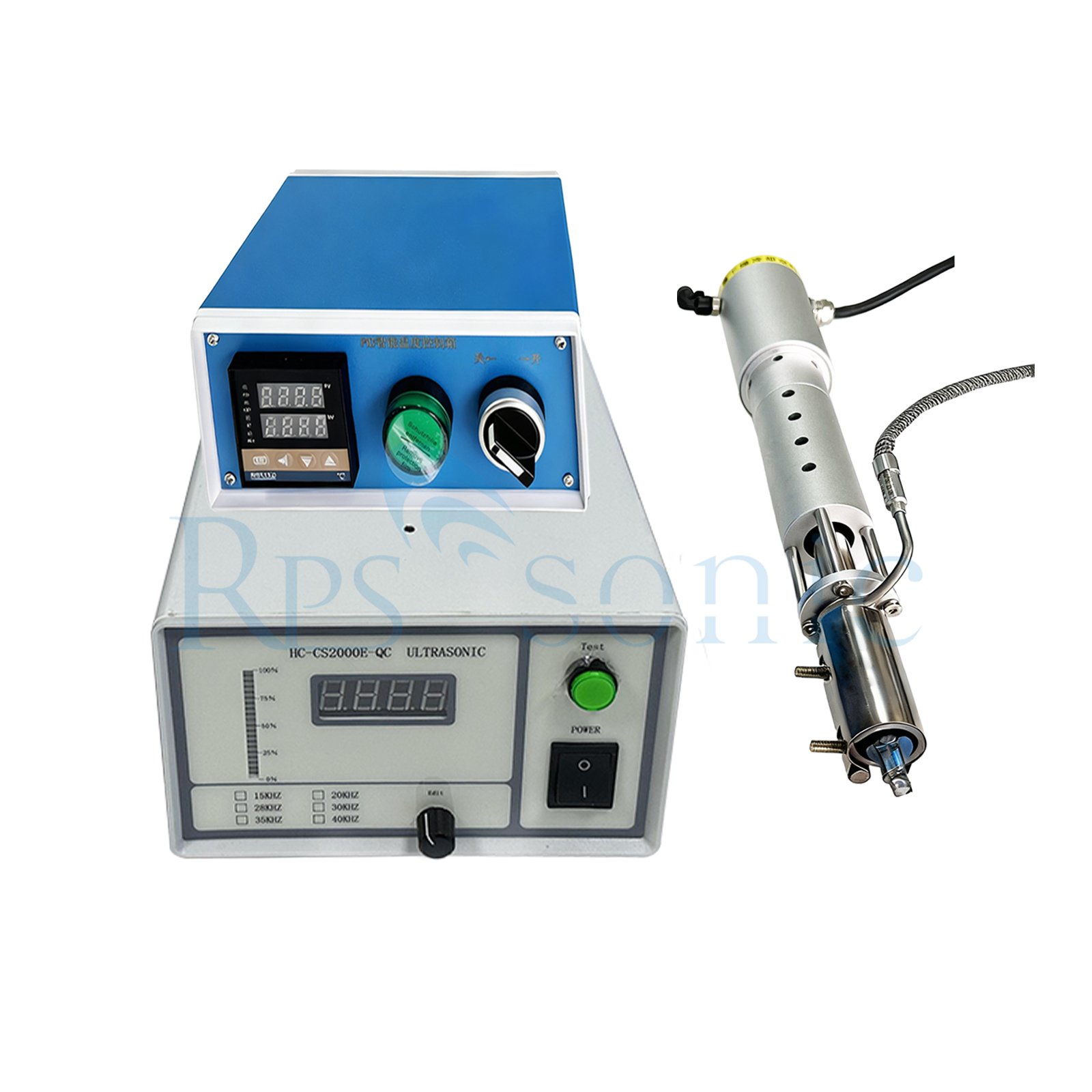
Introduction:
ultrasonic soldering is a fluxless soldering process that uses high-frequency sound waves to clean metal surfaces and enable the solder to flow, all without the need for chemical flux.
It's primarily used for joining materials that are traditionally difficult to solder, such as aluminum, stainless steel, and ceramics, because their surfaces instantly form a tough, stable oxide layer that prevents wetting.
Parameter:
| Model No. | RPS-T | |
| Ultrasonic Frequency | 40Khz | |
| Maximum Output | 800 Watt | |
| Temperature Range | 150 ~ 400 °C | |
| Power Supply | 220V / 50-60 Hz | |
| Ultrasonic Generator | Size | 250(W) x 310(L) x 135(H) mm |
| Weight | 3 Kg | |
| Feature | Ultrasonic Amplitude Adjustable | |
| Pot dimension | 5*8 mm | |
| Avail Soldering Matrial | ITO Glass, AL, Mo, Cu etc., | |
Ultrasonic soldering is used to join materials with either a metallurgical or mechanical bond.
A metallurgical bond is formed when the oxide from the base metal is removed through ultrasonic cavitation and implosion in the solder. The solder then comes in to contact with the base metal and the ionic attraction between the two forms a bond. A tin or lead solder bonded to copper is an example of this.


The magic of ultrasonic soldering lies in two key phenomena caused by high-frequency vibrations:
Acoustic Cavitation: The soldering tool (called a sonotrode or horn) vibrates at an ultrasonic frequency (typically 20 kHz to 40 kHz or higher). These vibrations are transmitted into the molten solder bath or the solder joint itself. This intense agitation creates and collapses millions of microscopic bubbles in the liquid solder—a process called cavitation.
Oxide Removal: The implosion of these cavitation bubbles releases a tremendous amount of energy locally. This blast of energy is powerful enough to scrub away the oxide layer on the metal surfaces being joined. It literally shatters and disperses the oxides, exposing a perfectly clean, active metal surface.
Once the oxide barrier is removed, the clean molten solder can immediately wet and bond with the base metal, forming a strong metallurgical joint—all without any flux.
A typical system consists of:
Ultrasonic Generator: The power supply that converts standard electrical power into high-frequency electrical energy.
Transducer (or Converter): Converts the high-frequency electrical signal from the generator into high-frequency mechanical vibrations.
Booster / Acoustic Horn: Modifies the amplitude of the mechanical vibrations.
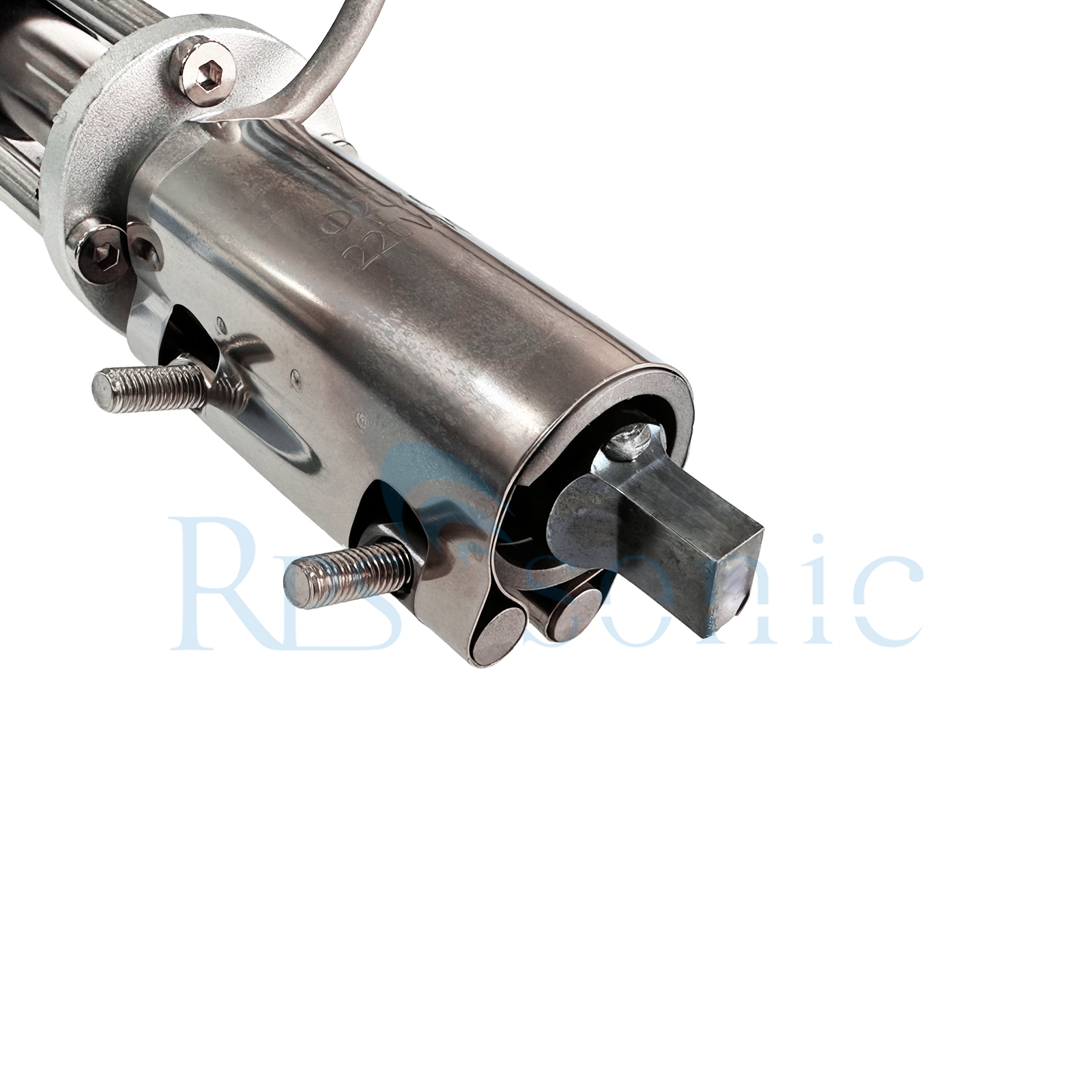
Sonotrode (Soldering Tip): This is the working tip that delivers the ultrasonic vibrations to the solder and the workpiece. It can be designed as a simple iron tip or as part of a larger soldering pot.
There are two main ways this technology is applied:
Ultrasonic Soldering Iron: This looks and operates much like a standard soldering iron, but the tip vibrates ultrasonically. You apply the vibrating tip to the solder and the joint. It's ideal for localized repairs and small-scale work.
Ultrasonic Solder Pot: A small pot filled with molten solder is ultrasonically activated. To solder a component, you simply dip its pre-tinned wires or leads into the pot. The cavitation in the pot instantly cleans and tins the surface. This is extremely common in the electronics industry for tinning component leads, especially for aluminum-wired components.
Fluxless Process: Eliminates the cost of flux and, more importantly, prevents issues like corrosion and electrical leakage from flux residues. This is critical for high-reliability electronics, medical devices, and components that must remain clean.
Joins "Unsolderable" Materials: Makes it possible to solder aluminum and other difficult metals.
Excellent Wetting: The cavitation action ensures superior wetting and a strong, reliable bond.
Eco-Friendly and Safer: No harmful flux fumes are produced, creating a healthier work environment.
Introduction:
ultrasonic soldering is a fluxless soldering process that uses high-frequency sound waves to clean metal surfaces and enable the solder to flow, all without the need for chemical flux.
It's primarily used for joining materials that are traditionally difficult to solder, such as aluminum, stainless steel, and ceramics, because their surfaces instantly form a tough, stable oxide layer that prevents wetting.
Parameter:
| Model No. | RPS-T | |
| Ultrasonic Frequency | 40Khz | |
| Maximum Output | 800 Watt | |
| Temperature Range | 150 ~ 400 °C | |
| Power Supply | 220V / 50-60 Hz | |
| Ultrasonic Generator | Size | 250(W) x 310(L) x 135(H) mm |
| Weight | 3 Kg | |
| Feature | Ultrasonic Amplitude Adjustable | |
| Pot dimension | 5*8 mm | |
| Avail Soldering Matrial | ITO Glass, AL, Mo, Cu etc., | |
Ultrasonic soldering is used to join materials with either a metallurgical or mechanical bond.
A metallurgical bond is formed when the oxide from the base metal is removed through ultrasonic cavitation and implosion in the solder. The solder then comes in to contact with the base metal and the ionic attraction between the two forms a bond. A tin or lead solder bonded to copper is an example of this.


The magic of ultrasonic soldering lies in two key phenomena caused by high-frequency vibrations:
Acoustic Cavitation: The soldering tool (called a sonotrode or horn) vibrates at an ultrasonic frequency (typically 20 kHz to 40 kHz or higher). These vibrations are transmitted into the molten solder bath or the solder joint itself. This intense agitation creates and collapses millions of microscopic bubbles in the liquid solder—a process called cavitation.
Oxide Removal: The implosion of these cavitation bubbles releases a tremendous amount of energy locally. This blast of energy is powerful enough to scrub away the oxide layer on the metal surfaces being joined. It literally shatters and disperses the oxides, exposing a perfectly clean, active metal surface.
Once the oxide barrier is removed, the clean molten solder can immediately wet and bond with the base metal, forming a strong metallurgical joint—all without any flux.
A typical system consists of:
Ultrasonic Generator: The power supply that converts standard electrical power into high-frequency electrical energy.
Transducer (or Converter): Converts the high-frequency electrical signal from the generator into high-frequency mechanical vibrations.
Booster / Acoustic Horn: Modifies the amplitude of the mechanical vibrations.
Sonotrode (Soldering Tip): This is the working tip that delivers the ultrasonic vibrations to the solder and the workpiece. It can be designed as a simple iron tip or as part of a larger soldering pot.
There are two main ways this technology is applied:
Ultrasonic Soldering Iron: This looks and operates much like a standard soldering iron, but the tip vibrates ultrasonically. You apply the vibrating tip to the solder and the joint. It's ideal for localized repairs and small-scale work.
Ultrasonic Solder Pot: A small pot filled with molten solder is ultrasonically activated. To solder a component, you simply dip its pre-tinned wires or leads into the pot. The cavitation in the pot instantly cleans and tins the surface. This is extremely common in the electronics industry for tinning component leads, especially for aluminum-wired components.
Fluxless Process: Eliminates the cost of flux and, more importantly, prevents issues like corrosion and electrical leakage from flux residues. This is critical for high-reliability electronics, medical devices, and components that must remain clean.
Joins "Unsolderable" Materials: Makes it possible to solder aluminum and other difficult metals.
Excellent Wetting: The cavitation action ensures superior wetting and a strong, reliable bond.
Eco-Friendly and Safer: No harmful flux fumes are produced, creating a healthier work environment.
What material can the ultrasonic soldering Iron welding ?
Tin, We can check the METAL MELTING POINT table as follws:
| METAL | MELTING POINT | |
| (oC) | (oF) | |
| Babbitt | 249 | 480 |
| Beryllium | 1285 | 2345 |
| Beryllium Copper | 865 – 955 | 1587 – 1750 |
| Bismuth | 271.4 | 520.5 |
| Phosphorus | 44 | 111 |
| Platinum | 1770 | 3220 |
| Red Brass | 990 – 1025 | 1810 – 1880 |
| Rhenium | 3186 | 5767 |
| Rhodium | 1965 | 3569 |
| Selenium | 217 | 423 |
| Silicon | 1411 | 2572 |
| Silver, Pure | 961 | 1761 |
| Silver, Sterling | 893 | 1640 |
| Carbon Steel | 1425 – 1540 | 2600 – 2800 |
| Stainless Steel | 1510 | 2750 |
| Tantalum | 2980 | 5400 |
| Thorium | 1750 | 3180 |
| Tin | 232 | 449.4 |
| Titanium | 1670 | 3040 |
| Tungsten | 3400 | 6150 |
| Yellow Brass | 905 – 932 | 1660 – 1710 |
| Zinc | 419.5 | 787 |
Our horn Temperature Range is 150~400, so the Tin can be melt by our horn.
What material can the ultrasonic soldering Iron welding ?
Tin, We can check the METAL MELTING POINT table as follws:
| METAL | MELTING POINT | |
| (oC) | (oF) | |
| Babbitt | 249 | 480 |
| Beryllium | 1285 | 2345 |
| Beryllium Copper | 865 – 955 | 1587 – 1750 |
| Bismuth | 271.4 | 520.5 |
| Phosphorus | 44 | 111 |
| Platinum | 1770 | 3220 |
| Red Brass | 990 – 1025 | 1810 – 1880 |
| Rhenium | 3186 | 5767 |
| Rhodium | 1965 | 3569 |
| Selenium | 217 | 423 |
| Silicon | 1411 | 2572 |
| Silver, Pure | 961 | 1761 |
| Silver, Sterling | 893 | 1640 |
| Carbon Steel | 1425 – 1540 | 2600 – 2800 |
| Stainless Steel | 1510 | 2750 |
| Tantalum | 2980 | 5400 |
| Thorium | 1750 | 3180 |
| Tin | 232 | 449.4 |
| Titanium | 1670 | 3040 |
| Tungsten | 3400 | 6150 |
| Yellow Brass | 905 – 932 | 1660 – 1710 |
| Zinc | 419.5 | 787 |
Our horn Temperature Range is 150~400, so the Tin can be melt by our horn.
The new model of the ultrasonic soldering iron comes complete with a newly designed ergonomic, lightweight handle, which ensures that there is a minimum of strain on the operator during the soldering process.
The ultrasonic soldering iron incorporates a powerful heater, rated at 60W, and a digital temperature controller which allows the user to adjust the soldering tip temperature and provides control from 50°C up to 400°C ±2°C.
The ultrasonic generator has 9 levels of ultrasonic activity, selected by push buttons, plus a function that allows the soldering iron to be used as a conventional soldering iron if required. The ultrasonic power is applied to the iron as needed by operating the provided footswitch or, alternatively, the power can be turned on and off using the button on the front of the unit.
An ultrasonic transducer is built into the soldering iron handle and to prevent this unit being overheated a continuous use of a cooling air is required. There is a safety system in place to ensure that if the air pressure has dropped and has stopped cooling the transducer the unit automatically turns off to prevent frequency drift and damage to the transducer. The cooling air supply can be provided by a small pump, not supplied, or from a facilities own 0.75-1bar clean air supply.
The iron comes with 3 interchangeable soldering tips, made from a high density hard copper, which have been matched to the ultrasonic generator to provide optimum performance. There are a variety of tips to choose from including various sizes of chisel, cone and point shapes from a range that Solbraze manufacture to suit the customers application.
The ultrasonic iron can be used worldwide as the ultrasonic irons power supply input can be switched to be either 110v or 230v depending on the local mains supply using a switch on the rear of the unit.
The new model of the ultrasonic soldering iron comes complete with a newly designed ergonomic, lightweight handle, which ensures that there is a minimum of strain on the operator during the soldering process.
The ultrasonic soldering iron incorporates a powerful heater, rated at 60W, and a digital temperature controller which allows the user to adjust the soldering tip temperature and provides control from 50°C up to 400°C ±2°C.
The ultrasonic generator has 9 levels of ultrasonic activity, selected by push buttons, plus a function that allows the soldering iron to be used as a conventional soldering iron if required. The ultrasonic power is applied to the iron as needed by operating the provided footswitch or, alternatively, the power can be turned on and off using the button on the front of the unit.
An ultrasonic transducer is built into the soldering iron handle and to prevent this unit being overheated a continuous use of a cooling air is required. There is a safety system in place to ensure that if the air pressure has dropped and has stopped cooling the transducer the unit automatically turns off to prevent frequency drift and damage to the transducer. The cooling air supply can be provided by a small pump, not supplied, or from a facilities own 0.75-1bar clean air supply.
The iron comes with 3 interchangeable soldering tips, made from a high density hard copper, which have been matched to the ultrasonic generator to provide optimum performance. There are a variety of tips to choose from including various sizes of chisel, cone and point shapes from a range that Solbraze manufacture to suit the customers application.
The ultrasonic iron can be used worldwide as the ultrasonic irons power supply input can be switched to be either 110v or 230v depending on the local mains supply using a switch on the rear of the unit.
Ms. Yvonne
sales@xingultrasonic.com
+86 571 63481280
+86 15658151051
1st Building NO.608 Road ,FuYang, Hangzhou, Zhejiang,China