Application of Ultrasonic Welding Technology in The Vacuum Glass Industry
Views: 103 Author: Site Editor Publish Time: 2026-02-12 Origin: Site
Application of Ultrasonic Welding Technology in The Vacuum Glass Industry
In the vacuum glass industry, ultrasonic welding is not used for direct welding of glass to glass, but rather as a key means of "glass metallization". It uses high-frequency vibration to firmly coat the glass surface with a metal layer, thereby bypassing the physical bottleneck that makes it difficult to weld glass directly.
Application Dimension
technology
Core Values/Breakthrough Points
Process positioning
Pre-treatment for "metallization" of glass surface: using the high-frequency vibration (cavitation effect) of ultrasonic soldering iron/soldering can, tin is directly plated or metal foil is soldered onto the glass edge to form a metal layer that is solidified with the glass body.
It solves the problem of thermal expansion mismatch between glass and metal; it eliminates the need for low-melting-point glass (avoiding lead toxicity) and flux (preventing residual corrosion).
Packaging structure
Two-step hermetically sealed connection: 1. Prepare the metal layer using ultrasound; 2. Achieve hermetically sealed welding of the edges of the two glass pieces by brazing or connecting metal sealing sheets.
It features high sealing strength and resistance to thermal shock; the arc/buffer structure of the metal sealing sheet can adapt to temperature difference deformation, ensuring the long-term safety of the vacuum glass.
Key equipment
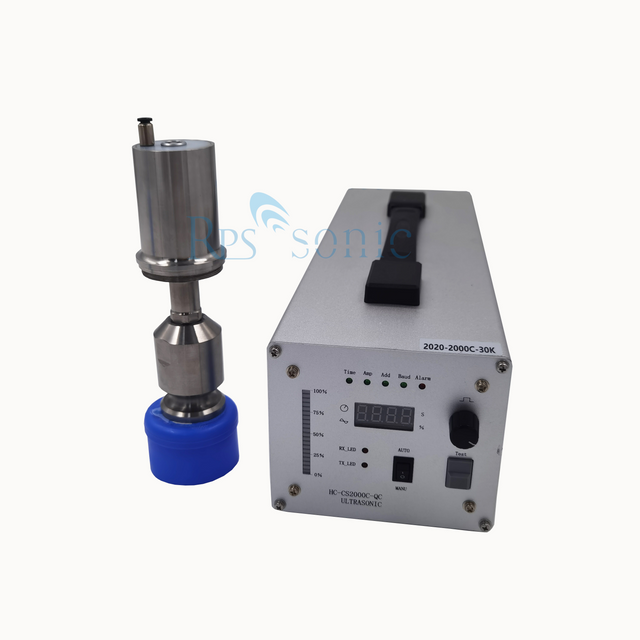
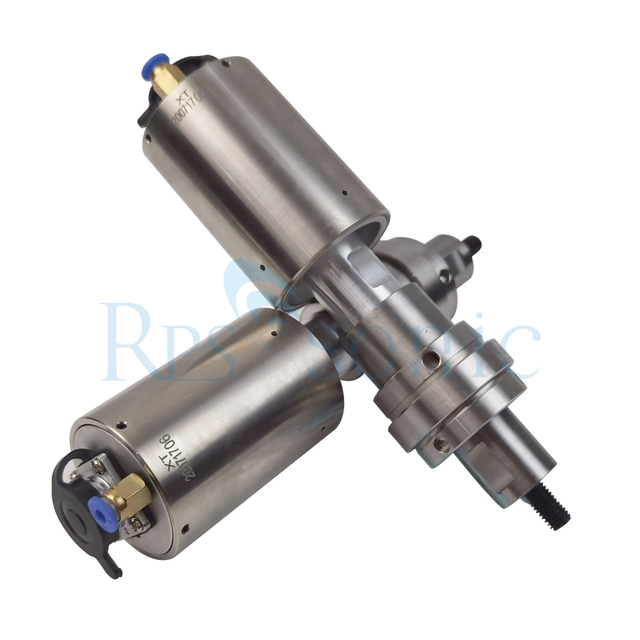
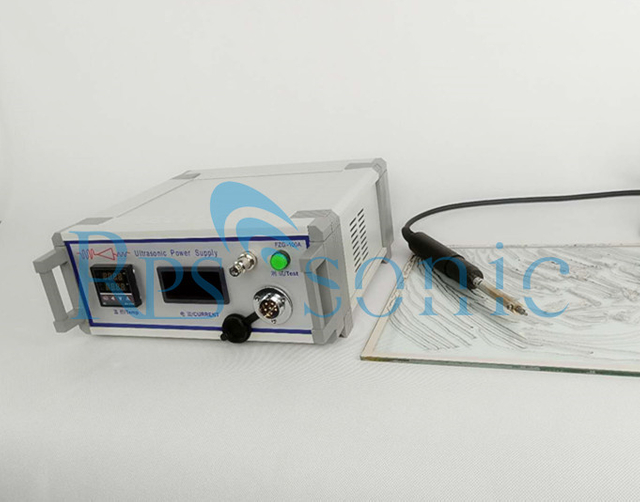
Specialized ultrasonic soldering iron tin plating equipment: Specialized soldering iron equipment for edge welding of vacuum glass is available for precisely coating solder onto the metallized layer.
It enables controllable solder thickness and improves packaging success rate; the automated rotation adsorption design facilitates continuous welding of the frame.
Cutting-edge breakthroughs
Lead-free low-temperature active solder: Special active solder wire (such as CERASOLZER) contains elements such as titanium and rare earth, which form chemical bonds (RO bonds) with the glass interface under ultrasonic action, and the adhesion strength is far greater than that of traditional physical adhesion.
The welding temperature can be reduced by 30-100℃, protecting the tempered glass from "de-tempering"; the interface forms a metallurgical/chemical bond, achieving "zero leakage" airtightness, and a design life of over 20 years.
disruptive technologies
Direct cold welding of aluminum foil (R&D stage): The US SBIR project attempted to abandon solder and use an ultrasonic seam welder to directly cold press aluminum foil onto the glass, reducing the welding time to sub-second level, aiming to reduce the cost of vacuum glass to the same level as insulated glass.
Completely abandoning the heating furnace, the welding cycle for a single piece has been reduced from several hours to 30 seconds per piece; the micro-leakage problem has been solved, and it is expected to trigger a cost revolution in the field of building energy conservation.
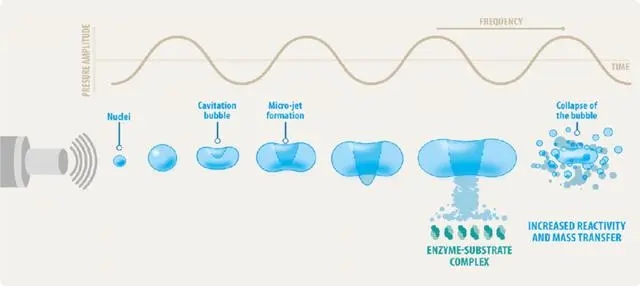
Why Ultrasonic Waves are Essential: Glass surfaces have high energy and stable properties, making them unwettable by ordinary solders. The cavitation effect of ultrasound (the implosion of bubbles generating localized high-pressure jets) physically strips away the adsorbed layer and microscopic contaminants on the glass surface, exposing a high-energy surface that allows molten solder to spread.
Process Window: Industrial applications primarily utilize frequencies between 40kHz and 55kHz, with the higher frequency range (55kHz) offering finer amplitude, suitable for thin glass or precision soldering. Equipment typically integrates hot air preheating to reduce thermal shock.
Quality Improvement: Case studies show that ultrasonic pre-tinning can increase seal strength by over 30% and reduce scrap rates by 5%-15%.
Summary: The current industry mainstream has moved from "whether it can be soldered" to "highly efficient and reliable soldering," with cutting-edge research focusing on low-cost, furnace-less, and second-level soldering. If you need to select equipment and processes for specific glass thicknesses or production volumes, please provide further details of your requirements.