How Ultrasonic Extraction Is Transforming The Food Industry
Views: 101 Author: Site Editor Publish Time: 2026-01-22 Origin: Site
How Ultrasonic Extraction Is Transforming The Food Industry
While traditional thermal extraction methods struggle to balance temperature and efficiency, ultrasonic technology, like a precise "molecular scalpel," has quietly cut through the dilemma of achieving both efficiency and quality. Taking propolis extraction as an example, ultrasonic technology not only significantly shortens extraction time and increases extraction rate, but also fully preserves the natural flavor, color, and heat-sensitive substances of the raw material under low-temperature conditions. This breakthrough indicates that ultrasonic extraction technology not only has enormous industrial potential but may also fundamentally reshape the future landscape of food processing.
The core advantage of ultrasonic extraction technology lies first and foremost in its revolutionary extraction kinetics. Unlike traditional methods that rely on high-temperature, long-term extraction, ultrasound, through cavitation, mechanical vibration, and microjets, instantly breaks down plant cell walls, rapidly releasing the target components. Studies have shown that ultrasound can shorten the extraction time of natural products such as propolis by more than 50%, while increasing the extraction rate by 20%-30%. This leap in efficiency does not come at the expense of quality; on the contrary, ultrasound can achieve highly efficient extraction under mild conditions of 40-60℃, avoiding the damage of heat-sensitive substances such as polyphenols, flavonoids, and volatile aroma components caused by high temperatures. The precious antibacterial and antioxidant components in propolis retain their activity to the maximum extent, resulting in a qualitative improvement in the color, flavor, and bioavailability of the final product.
More importantly, ultrasound exhibits a unique "persistent effect" in enhancing the extraction process. Experiments have shown that even after the ultrasound radiation stops, the enhanced material transfer process continues for a period of time. This "after-effect" may stem from the continuous changes in cell structure and diffusion boundary layer disturbances caused by ultrasound, providing a theoretical basis for energy-saving and consumption-reducing intermittent industrial operations. It is precisely this efficient, low-temperature, and sustainable characteristic that makes it possible for ultrasound technology to move from the laboratory to industrial production lines.
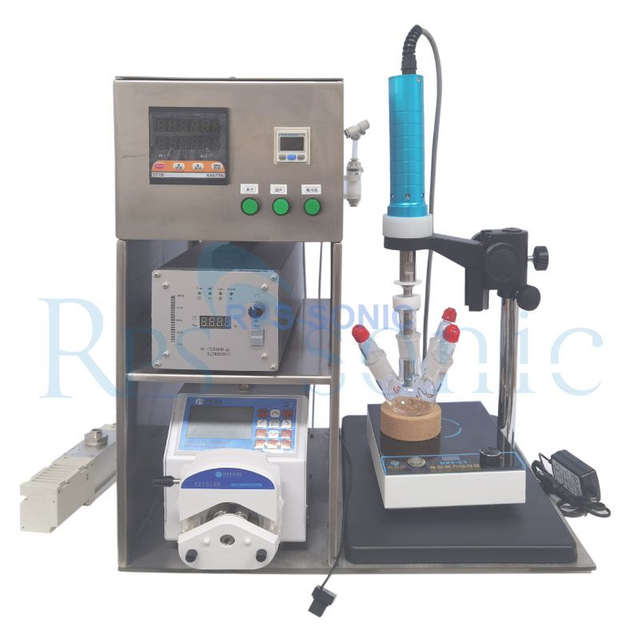
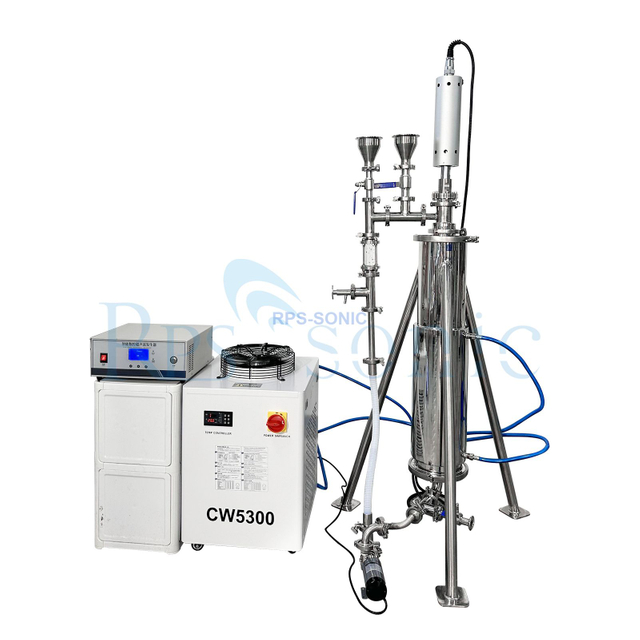
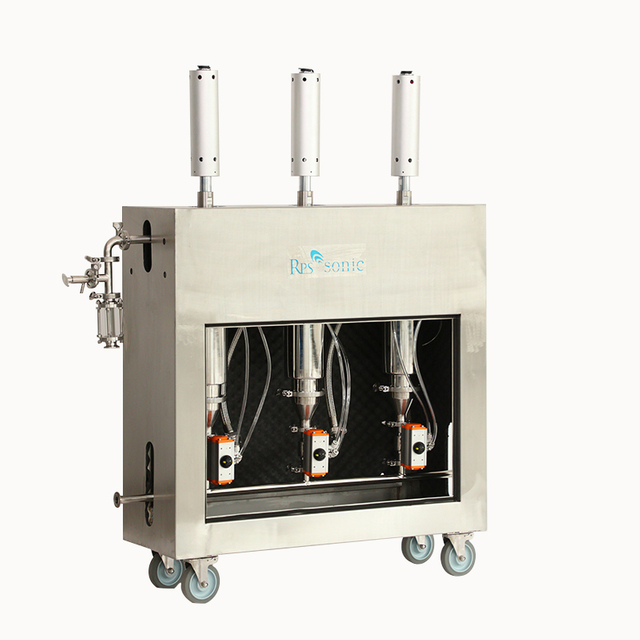
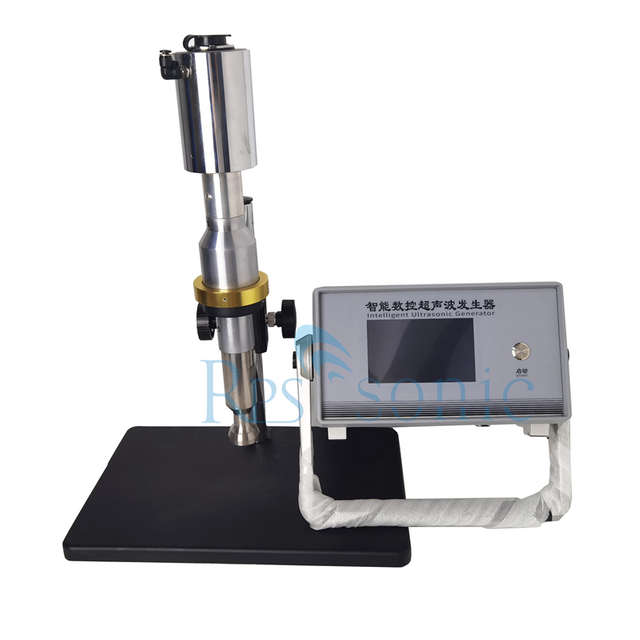
Currently, ultrasonic extraction equipment has evolved from laboratory probe-type to industrial flow-through and multi-frequency composite types. Continuous flow ultrasonic reactors can achieve large-scale, uniform processing of materials, and through integration with automated control systems, precise parameter control of the extraction process can be achieved. In industrialization cases of propolis extraction, companies employ ultrasound-assisted ethanol extraction, reducing the production cycle from 48 hours to 8 hours and lowering energy consumption by approximately 40%. Furthermore, this method increases the total flavonoid content of the product by 25%, and changes the color from the traditional dark brown to a more market-favored golden yellow, significantly enhancing product competitiveness.
The application of ultrasonic extraction technology in the food industry extends far beyond propolis. From the precise extraction of functional components from tea to the low-temperature sterilization and color preservation of fruit and vegetable juices; from the complete extraction of flavor substances from spices to the efficient preparation of functional oils, ultrasonic technology is pioneering a new path of "green and efficient" food processing. It reduces the use of organic solvents, lowers energy consumption and heat load, and aligns with the global food industry's urgent need for sustainable development and clean production.
Looking to the future, with in-depth research into sonochemical mechanisms and continuous innovation in equipment technology, intelligent and modular ultrasonic extraction systems will be deeply integrated with the Internet of Things and artificial intelligence, achieving full traceability and adaptive parameter optimization from raw materials to finished products. Ultrasonic technology can also be integrated with advanced technologies such as supercritical fluid extraction and membrane separation to build a more efficient and environmentally friendly food manufacturing platform.
From the natural active ingredients preserved in propolis bottles to the healthy and delicious food on our future tables, ultrasonic extraction technology, with its unique physical wisdom, is bridging the gap between the microscopic molecular world and macroscopic industrial production. As the food industry stands at the crossroads of efficiency, quality, and sustainability, this "silent but powerful force" may be the key to leading us towards a greener and healthier future for food. It is not only an innovation in extraction methods but also a technological expression of our deeper respect for and utilization of nature's gifts.