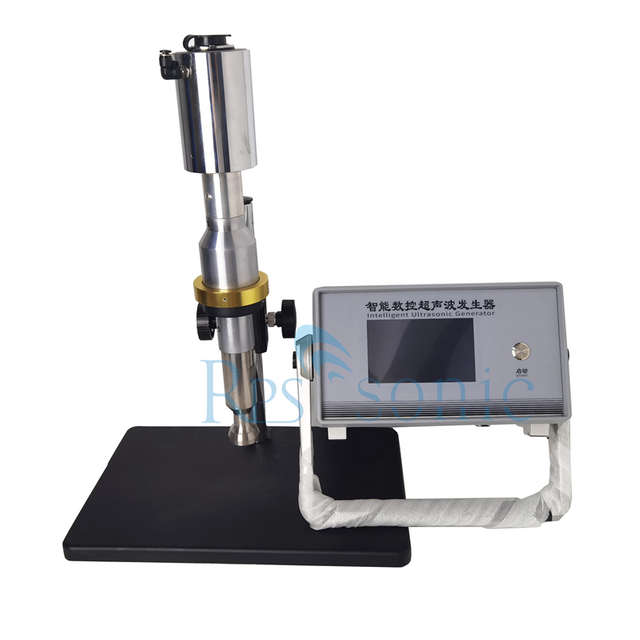
Ultrasonic extraction of flavonoids from propolis
Propolis is a sticky, gelatinous solid substance formed from resin collected by bees and secretions from their glands. Bees use it to repair their hives, both to defend against invading enemies and to inhibit the growth of microorganisms within the hive. The composition of propolis is extremely complex, with over 300 components identified in 20 major categories, primarily including flavonoids, phenolic acids, terpenes, esters, steroids, amino acids, and vitamins. The composition of propolis is not static; it is determined by factors such as geographical region, collection season, plant species, and bee population. Propolis possesses a wide range of pharmacological activities, including antibacterial, antifungal, anti-inflammatory, antiviral, antitumor, antioxidant, and immunomodulatory effects.
In recent years, propolis has been widely used in the food, cosmetic, and pharmaceutical industries. Flavonoids are important active substances in propolis, exhibiting various biological activities such as antioxidant, antimicrobial, anticancer, and immunomodulatory effects. Therefore, optimizing the extraction process of propolis flavonoids and improving the yield of propolis flavonoids are of great reference value for the development and research of propolis and are of great significance to industrial and social development.
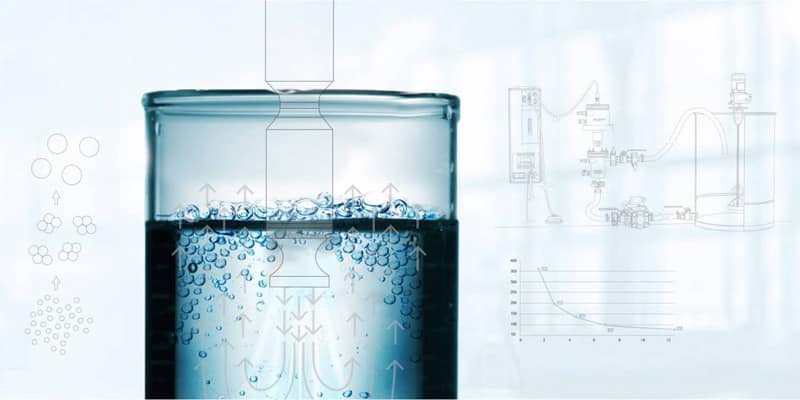
At present, there are many methods for extracting propolis flavonoids, mainly including maceration method, heating reflux method, microwave extraction method, ultrasonic extraction method, ultra-high pressure extraction method and supercritical CO2 extraction method. The maceration method is simple to operate, but it takes a long time and requires a large amount of solvent; the heating reflux method uses less solvent, but it is troublesome to operate, takes a long time to extract, and has a high extraction temperature, which can easily destroy the active ingredients; the microwave extraction method is simple to operate and has a short extraction time, but the high extraction temperature can easily destroy the active ingredients; the ultra-high pressure extraction method and the supercritical CO2 extraction method are short to operate, have low energy consumption, and are pollution-free, but the equipment cost is high. Compared with the above extraction methods, the ultrasonic extraction method has simple equipment, simple operation, short time, high efficiency, low energy consumption, and small amount of solvent. Ultrasonic waves reduce the particle size of raw materials through mechanical action and cavitation effect, effectively destroy cell structure, enhance the mass transfer rate of dissolved substances, and thus improve the yield[4].
Analysis using Design Expert 8.0.6 software revealed the optimal extraction conditions: ultrasonic power of 163.38 W, ultrasonic extraction time of 15.89 min, and ethanol concentration of 85.67%. Under these conditions, the predicted extraction yield was 21.11%. To further verify the reliability and accuracy of the regression model, a validation experiment was conducted using the aforementioned optimal conditions. Considering practical operability, the optimal conditions were modified to: ultrasonic power of 150 W, ultrasonic extraction time of 16 min, and ethanol concentration of 86%. Under these conditions, the extraction yield of propolis flavonoids was 21.10% ± 0.075% (n=3 trials), close to the model's predicted value, thus confirming the model's accuracy and reliability.
Comparative Analysis of Ultrasonic Extraction Methods
Generally, the quality of propolis is judged based on its flavonoid content; a content above 5% is considered qualified, and a content above 15% is considered superior. The flavonoid extraction yield of propolis in this experiment reached 21.10% under optimal ultrasonic extraction conditions, therefore the propolis used in this experiment from Xiaogan, Hubei Province, is of superior quality. The flavonoid content of propolis is directly related to the geographical origin of the propolis, with significant differences between different regions. The propolis used in this experiment has not been reported in existing literature and its source differs from that in existing literature. Therefore, judging the quality of the ultrasonic process based solely on the flavonoid yield is inappropriate; only the extraction conditions were compared. Cao Xiaoyan et al. used ultrasound to extract flavonoids from Shaanxi propolis and obtained the optimal extraction process as follows: ultrasound time of 20 min, extraction temperature of 50 ℃, material-liquid ratio of 1:30, ethanol concentration of 80%, and flavonoid yield of 9.60%; Li Shuai [6] optimized the ultrasound extraction process of Jilin propolis flavonoids using response surface methodology and obtained the optimal extraction conditions as follows: ultrasound time of 27 min, extraction temperature of 66 ℃, ultrasound power of 220 W, ethanol concentration of 73%, and flavonoid yield of 23.38%; An Yanbo et al. obtained the optimal ultrasound extraction process parameters of Shandong propolis flavonoids through experiments as follows: ultrasound time of 25 min, ethanol concentration of 72%, ultrasound power of 82%, and actual flavonoid yield of 13.07%. Compared with the existing reported ultrasound extraction processes of propolis flavonoids, the ultrasound extraction method in this experiment has the advantages of low extraction temperature and short extraction time.
Conclusion
This paper optimizes the ultrasonic extraction process of propolis flavonoids using response surface methodology, and the following conclusions are drawn:
(1) The extraction yield of propolis flavonoids first increases and then decreases with increasing ultrasonic power and ultrasonic extraction time, and first increases and then remains constant with increasing ethanol concentration.
(2) Through variance analysis of the regression equation, the main and secondary factors affecting the extraction yield of propolis flavonoids are, in order, ultrasonic extraction time, ethanol concentration, and ultrasonic power.
(3) Through analysis using response surface methodology and considering the feasibility of actual operation, the optimal extraction conditions are: ultrasonic power of 150 W, ultrasonic extraction time of 16 min, and ethanol concentration of 86%. Under these conditions, the predicted extraction yield of propolis flavonoids is 21.11%. Verification experiments on the above extraction conditions show that the extraction yield of propolis flavonoids is 21.10% ± 0.075% (n=3), which is close to the predicted value of the model, thus confirming the accuracy and reliability of the model.
Beneficial effects of this invention: Traditional ethanol extraction methods require a long time and have a low extraction rate. Soxhlet extraction, with its excessively high extraction temperature, also extracts other components, affecting the extraction process and requiring significant equipment investment. Ultrasonic extraction, compared to the previous two methods, significantly improves extraction time and efficiency, extracting most of the alcohol-soluble substances from propolis in just 25 minutes, providing an effective method for extracting functional components from propolis.
It is evident that ultrasound offers substantial advantages in extraction time and efficiency, making it highly effective for accelerating propolis extraction. This demonstrates the great potential of ultrasonic extraction and its suitability for industrial applications.
Ultrasound accelerates mass transfer, achieving good results at lower temperatures, effectively preserving the natural flavor, color, and heat-sensitive substances of the raw material. Furthermore, the enhancing effect of ultrasound on propolis is continuous; even after the ultrasound treatment stops, its accelerated extraction process continues for a period. Therefore, it has broad development prospects in the food industry.