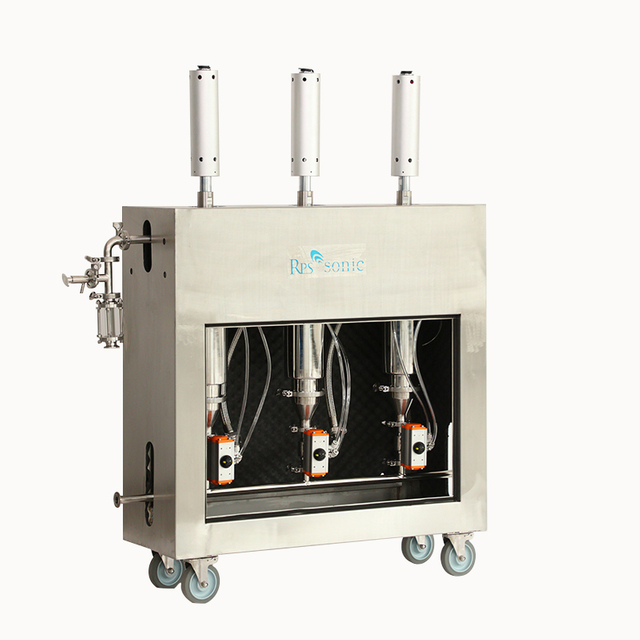
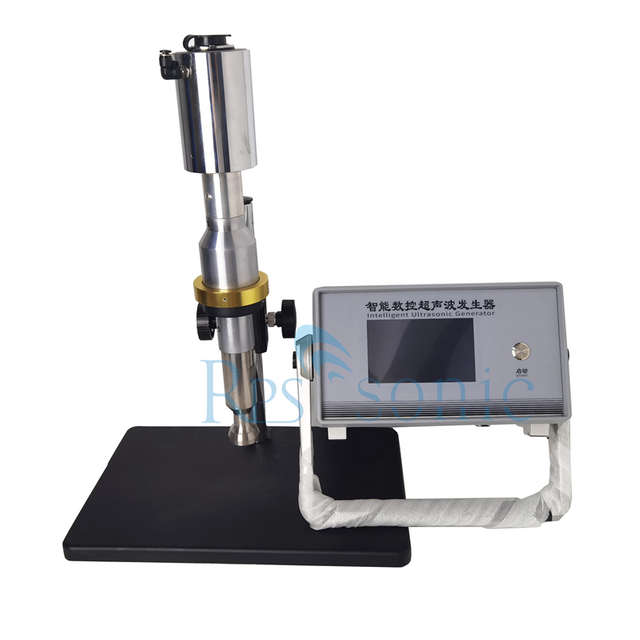
Application of Ultrasonic Degassing Equipment in The Production Process of New Energy Batteries
In the race to upgrade new energy batteries towards higher energy density, longer cycle life, and higher safety, microscopic bubbles and dissolved gases in the production process have become key bottlenecks restricting performance breakthroughs. Bubbles in electrode slurry lead to uneven coating and reduced utilization of active materials; gases in cleaning fluid weaken the cleaning effect and cause micro-short circuit risks; and dissolved gases in electrolyte accelerate lithium dendrite growth and shorten battery life. Traditional degassing methods either rely on mechanical stirring or vacuum settling, making it difficult to balance efficiency, thoroughness, and material protection. Ultrasonic degassing equipment, leveraging the physical characteristics of acoustic cavitation, offers advantages such as high efficiency, gentleness, and no secondary pollution, deeply integrating into the entire battery production process and becoming core equipment for strengthening battery performance and safety.
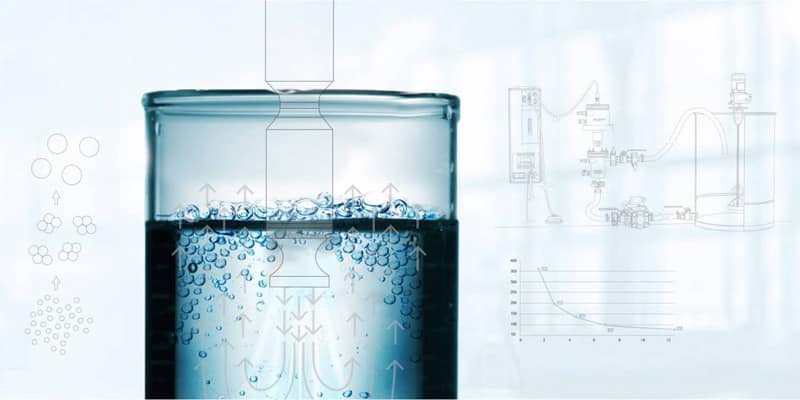
I. Core Principle: The core working principle of ultrasonic degassing equipment is to excite the cavitation effect in the liquid using high-frequency ultrasound, achieving complete separation of bubbles from the liquid in a purely physical way. This process does not damage the activity of battery materials or change the material composition, perfectly meeting the stringent requirements of new energy battery production for process precision and material protection. The core process consists of three stages: First, an ultrasonic generator converts the power frequency current into a high-frequency electrical signal of 20–130 kHz, which is then converted into mechanical vibration of the same frequency by a transducer and transmitted to the liquid. The vibration waves generate alternating positive and negative sound pressures. During the negative pressure phase, the intermolecular forces in the liquid are broken, generating micron-sized vacuum cavitation bubbles. During expansion, these cavitation bubbles directionally adsorb dissolved gases (such as oxygen and carbon dioxide) and microbubbles in the liquid. After rapid growth and fusion, they either float to the surface and burst to release the gas, or collapse and dissipate under positive pressure, ultimately achieving deep degassing of the liquid. The entire process generates only a negligible amount of heat, avoiding damage to heat-sensitive materials such as electrode materials and electrolytes. Furthermore, no chemical reagents are required, eliminating secondary pollution at the source.
II. Core Application Scenarios in the New Energy Battery Field: Ultrasonic degassing equipment, with its precision, efficiency, and strong adaptability, has deeply penetrated the key processes in the front and middle stages of new energy battery (lithium-ion batteries, sodium-ion batteries, etc.) production. It plays an irreplaceable role in slurry preparation, electrode cleaning, and electrolyte treatment, directly driving improvements in battery performance and batch consistency.
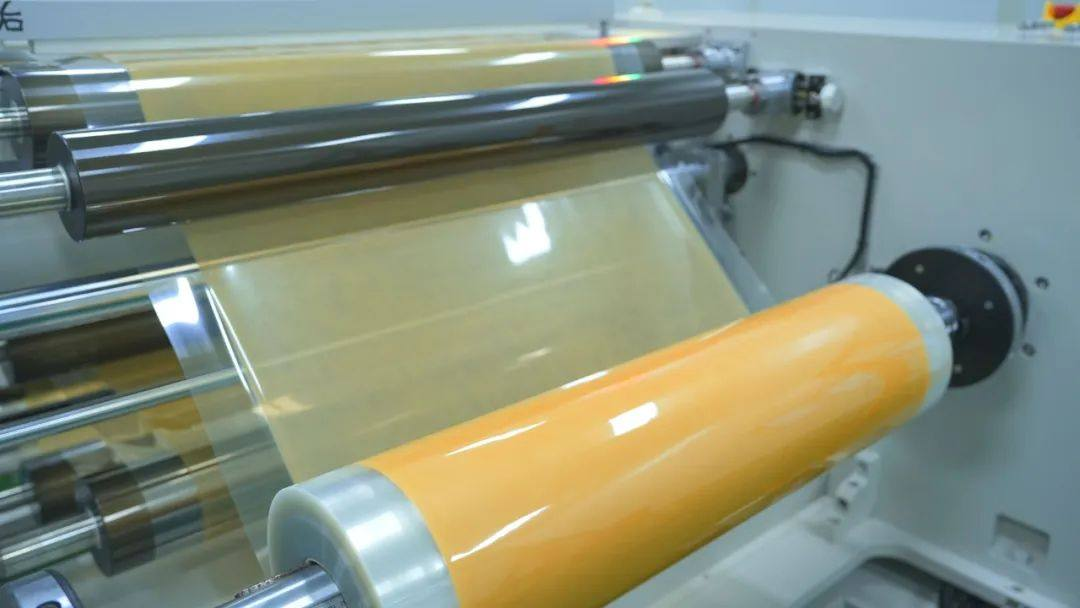
1. Electrode Slurry Preparation: The uniformity and bubble-free nature of the electrode slurry directly determine the quality of electrode coating and battery energy density. Traditional mechanical stirring easily leads to agglomeration of active materials and residual bubbles in the slurry, resulting in pinholes and uneven thickness in the coating layer. Ultrasonic degassing equipment, through the dual effects of cavitation and vibration dispersion, can simultaneously achieve slurry degassing and homogenization, significantly improving slurry performance. In the preparation of positive and negative electrode slurries, combining ultrasonic technology with a vacuum environment can effectively break up agglomerates of nanoscale active materials (such as NCM and silicon-carbon anodes) and conductive agents (graphene and carbon nanotubes), reducing the slurry particle size distribution (D50) to 2-5 μm. Simultaneously, it thoroughly removes air bubbles and dissolved gases introduced during stirring, increasing the slurry solid content by over 15% and improving viscosity uniformity by over 30%. Data from a power battery company shows that slurries treated with ultrasonic degassing result in electrode layer porosity fluctuations controlled within ±2% after coating, reducing the 28-day self-discharge voltage difference of the cell from 15mV to within 5mV, and improving batch consistency by 60%, providing core support for extending battery cycle life.
2. Electrolyte Preparation and Injection: As the core medium for ion transport in a battery, the purity and bubble-free nature of the electrolyte directly affect the battery's electrochemical performance. Dissolved gases not only accelerate electrolyte hydrolysis and deterioration (e.g., HF production from LiPF6 hydrolysis), but also remain inside the battery after injection, causing problems such as lithium dendrite growth and capacity decay. Ultrasonic degassing equipment can perform deep degassing before electrolyte preparation and injection, removing dissolved gases and microbubbles, improving electrolyte stability and injection accuracy. During electrolyte preparation, high-frequency ultrasonic treatment (80-120kHz) can thoroughly remove dissolved oxygen from carbonate solvents (DMC, EMC), reducing oxidation reactions between the electrolyte and electrode materials. Simultaneously, it promotes the uniform dispersion of additives (such as Al₂O₃ nanoparticles), forming a stable interface modification layer and improving the stability of the electrode-electrolyte interface. Before the electrolyte injection process, short-term ultrasonic degassing of the electrolyte can prevent residual air bubbles inside the battery after injection, inhibit lithium dendrite growth, and increase the capacity retention rate after 2000 cycles from 85% to over 90%, significantly extending cycle life.
III. Core Advantages: Compared to traditional degassing methods, the adaptability of ultrasonic degassing equipment in the new energy battery field stems from its unique advantages, precisely meeting the core demands of battery production for efficiency, precision, and safety:
• Highly efficient and synergistic, balancing multiple functions: Degassing efficiency is 30%-70% higher than traditional vacuum settling and mechanical stirring methods, and can simultaneously achieve material homogenization and dispersion refinement. For example, in slurry processing, degassing and agglomerate breakage can be completed simultaneously, reducing individual processes and improving production efficiency.
• Gentle and non-damaging, protecting material activity: Operating at room temperature and pressure, there is no mechanical shearing to damage the structure of nanomaterials, and no high temperature to damage the activity of electrolyte and electrode materials. It is suitable for processing needs ranging from ordinary slurries to high-end materials such as high-nickel cathodes and silicon-carbon anodes.
• Environmentally friendly and energy-saving, reducing overall costs: No chemical reagents are required, reducing wastewater treatment costs and environmental pressure; energy consumption is only 1/3 of traditional degassing equipment, and the equipment is easily integrated with existing production lines, requiring no large-scale modifications and reducing upgrade costs.
IV. Application Specifications and Maintenance Points The high-precision requirements of new energy battery production place higher demands on the operation and maintenance of ultrasonic degassing equipment. Strict adherence to process specifications is necessary to ensure stable equipment operation and degassing effectiveness:
1. Precise Parameter Adaptation: Parameters should be set according to material characteristics. For example, 30-40kHz low-frequency, high-power mode should be used for slurry degassing, and 80-120kHz high-frequency mode should be used for electrolyte degassing. Inappropriate parameters should be avoided to prevent material damage or incomplete degassing. After processing different materials, the equipment cavity must be thoroughly cleaned to prevent cross-contamination.
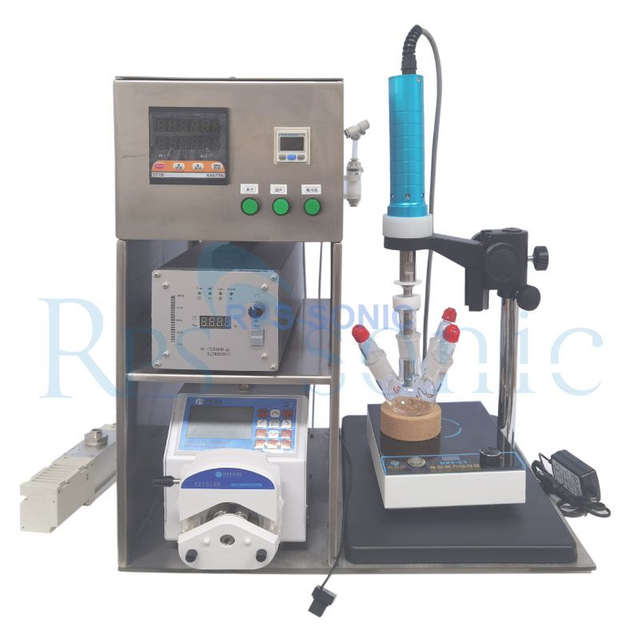
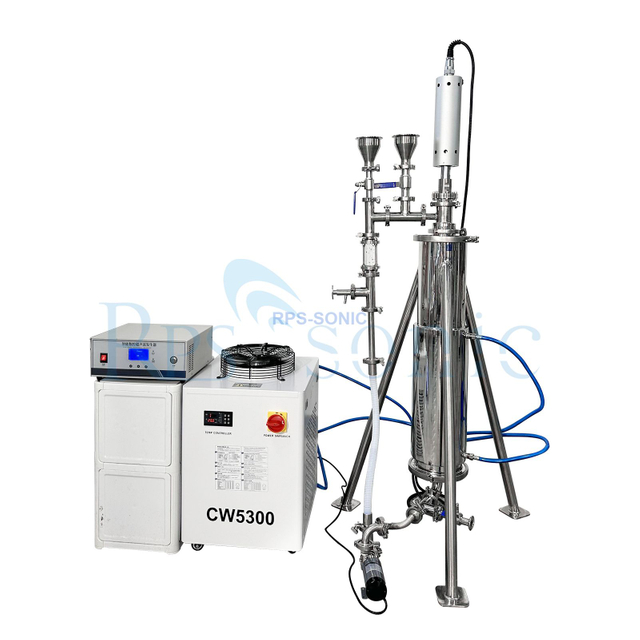
2. Compliant Equipment Selection: Select equipment that matches the production scale. Components in contact with materials must be made of corrosion-resistant and easy-to-clean materials (such as stainless steel or titanium alloy). The equipment should be suitable for the harsh environment of battery production dry rooms (dew point ≤ -40~-60°C) and have automatic frequency tracking and fault alarm functions.
3. Regular Calibration and Maintenance: Regularly calibrate the ultrasonic power, frequency, and vibration uniformity; clean the transducer and vibrating carrier to remove residual slurry, electrolyte, and other contaminants to prevent obstructed vibration transmission; after long-term use, check the wiring connections and sealing performance to ensure the equipment meets explosion-proof and corrosion-resistant requirements.
4. Effectiveness Verification and Testing: Measure the gas content of the material using a dissolved oxygen meter, and verify the degassing effect using equipment such as a slurry viscometer and coating thickness tester to ensure compliance with battery production process standards.
V. Future Development Trends: As new energy batteries iterate towards higher energy density, faster charging, and longer lifespan, ultrasonic degassing equipment is upgrading towards intelligence, customization, and collaboration to further adapt to the needs of high-end battery production. On the one hand, intelligent closed-loop control systems will become mainstream, integrating sensors to monitor parameters such as gas content, viscosity, and temperature of materials in real time, and automatically adjusting ultrasonic frequency and power to achieve precise control of the degassing process. On the other hand, scenario-specific customized models are constantly emerging, such as low-damage degassing models for silicon-carbon anode slurries, high-frequency precision degassing modules for electrolytes, and online degassing equipment integrated into continuous production lines. Simultaneously, the synergistic application of ultrasonic degassing technology with vacuum and cryogenic technologies will become increasingly widespread, further improving degassing efficiency and material protection through combined processes, adapting to the production needs of new battery technologies such as high-nickel cathodes and solid-state batteries, and providing core equipment support for the high-quality development of the new energy battery industry.