Application of Ultrasonic Welding Machines in the Welding of Plastic Caps for Tetra Pak Cartons
With the development of the liquid food packaging industry, Tetra Pak cartons and other paper-based composite packages have become widely used for products such as milk, fruit juice, plant-based milk, yogurt drinks, and other liquid foods. To enhance consumer convenience, an increasing number of these packages now feature screw caps, plastic closures, and resealable opening mechanisms.
In this manufacturing process, the quality of the bond between the plastic closure and the packaging material is critical. The welded area must not only provide an effective seal but also meet requirements for production efficiency, aesthetic quality, and food packaging safety.
**Ultrasonic plastic welding** utilizes high-frequency mechanical vibrations to generate heat at the interface where plastic components meet. This causes the material to soften locally, forming a bond under applied pressure. This technology can be employed for welding specific plastic closures and related components onto Tetra Pak-style cartons.
I. What is ultrasonic welding for Tetra Pak closures?
Tetra Pak cartons typically consist of a multi-layer composite material made of paper, polymers, and barrier layers. A plastic closure system may comprise the cap itself, a connecting ring, an opening mechanism, and a plastic interface that bonds to the composite packaging material.
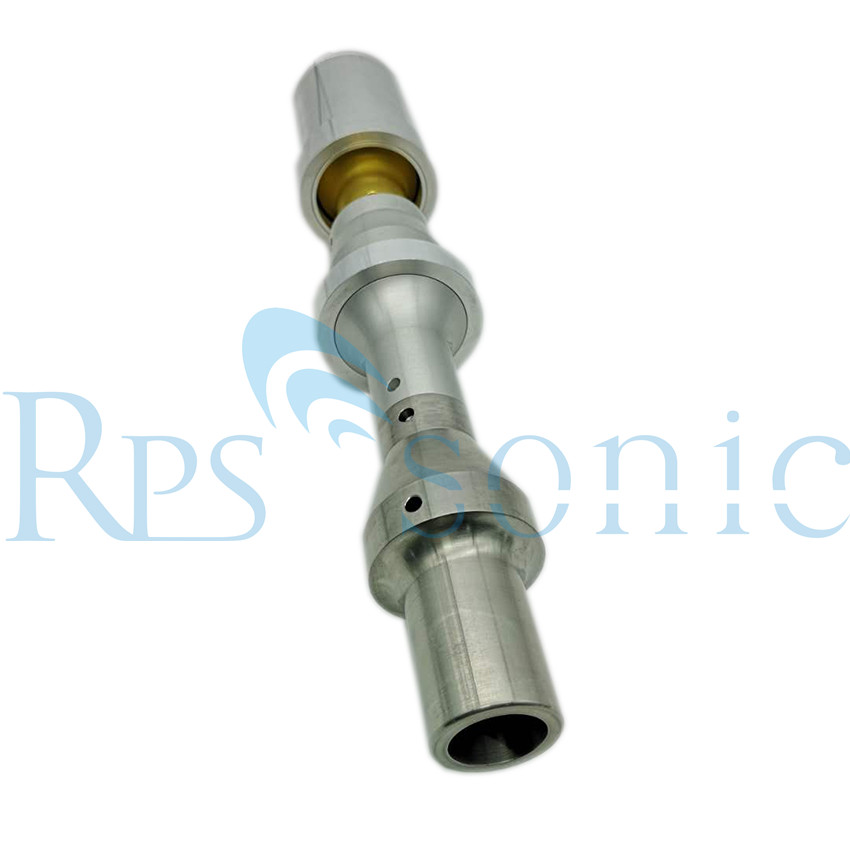
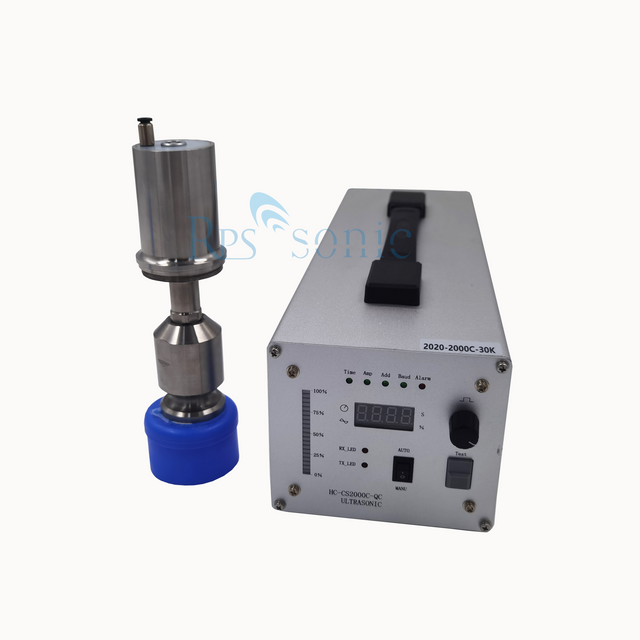
Ultrasonic welding equipment uses a transducer to convert electrical energy into mechanical vibrations, which are then transmitted to the designated weld zone via a booster and a sonotrode (welding horn).
When the plastic interface is subjected to the appropriate vibration, pressure, and duration, localized heat is generated, causing the plastic to soften and form a welded joint.
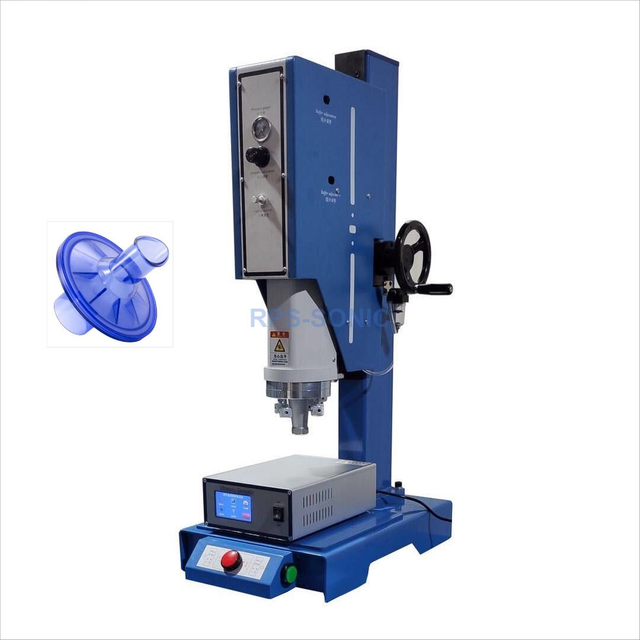
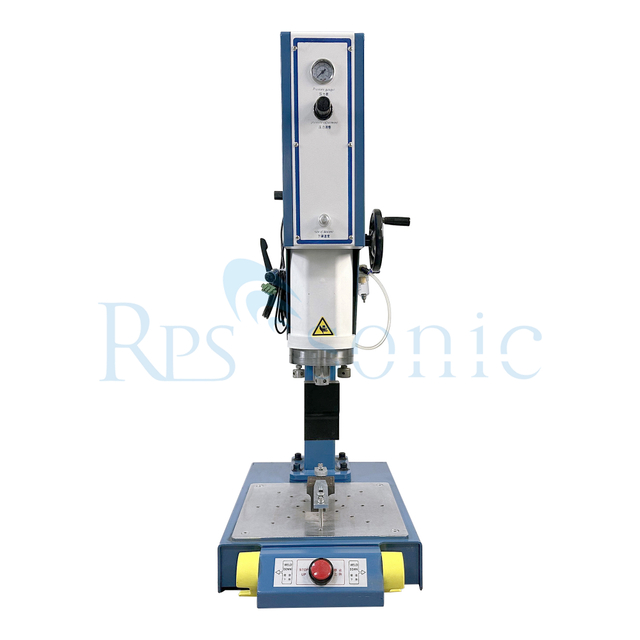
A typical system includes:
An ultrasonic generator, an ultrasonic transducer, a booster, a specialized sonotrode, a pneumatic or servo-driven pressure mechanism, positioning fixtures, a PLC control system, and interfaces for automated production lines.
It should be noted that ultrasonic welding is not suitable for all types of Tetra Pak closure structures. If the closure utilizes a dedicated plastic interface or a weldable thermoplastic material, ultrasonic welding may be a viable solution. However, if a plastic closure is to be attached directly to paper, aluminum foil, or a multi-layer composite material, it is essential to first verify whether the material structure and the welding interface are compatible with the ultrasonic process.
II. Working Principle of Ultrasonic Welding
Ultrasonic plastic welding generally involves the following steps:
1. Positioning and Clamping
Plastic caps, plastic fitments, or components to be welded are placed into a specialized fixture to ensure precise alignment and keep the workpieces stable.
2. Contact with the Workpiece
The welding horn (sonotrode) descends and applies appropriate pressure, ensuring stable contact at the area to be welded.
3. Ultrasonic Vibration
An ultrasonic generator drives a transducer to produce high-frequency mechanical vibrations, which are transmitted to the workpiece via a booster and the welding horn.
4. Interface Softening and Fusion
At the specifically designed welding interface—particularly at structures engineered to concentrate energy—mechanical vibration is converted into heat, causing the thermoplastic material to soften or melt locally.
5. Holding and Cooling
Once the ultrasonic vibration ceases, the welding horn maintains pressure, allowing the joined area to cool and form a stable bond.
6. Inspection and Progression to the Next Process
Following welding, the parts may undergo inspections—such as checks for appearance, dimensions, pull-off force, or sealing integrity—depending on the requirements of the production line.
III. Key Advantages of Ultrasonic Welding for Tetra Pak-style Caps
1. Short Welding Cycle
Ultrasonic welding achieves localized heating and bonding in a very short time, making it well-suited for automated packaging lines that require high production throughput.
The actual welding cycle duration depends on factors such as cap design, material, weld surface area, equipment power, and process parameters.
2. Localized Heating with Minimized Overall Thermal Impact
Ultrasonic energy is concentrated primarily within the designated welding zone, which limits the heating of surrounding materials.
This is particularly beneficial for compact cap assemblies featuring intricate plastic components, as it allows for precise control over the weld zone.
However, when dealing with paper-based composite packaging, it is essential to evaluate whether the heat and vibration might affect barrier layers, coatings, or the integrity of the packaging seal.
3. Suitable for Automated Integration
Ultrasonic welding equipment can be integrated with automated feeding systems, cap positioning mechanisms, robotic arms, rotary indexing tables, and broader packaging production lines to facilitate continuous, automated operations. Depending on the production cycle time, systems can be designed as single-station, multi-station, or multi-sonotrode (welding head) configurations.
4. Controllable Process Parameters
Modern ultrasonic welding systems allow for the control of parameters such as amplitude, weld time, pressure, energy, or displacement, depending on the equipment configuration.
Properly setting and monitoring the process window enhances the consistency of the welding process and helps in identifying anomalous welds.
5. Reduced Need for Additional Consumables
For thermoplastic assemblies suitable for ultrasonic welding, the use of additional adhesives is generally unnecessary.
However, whether other sealing materials are required depends on the specific packaging structure and design specifications.
IV. Which Tetra Pak Cap Structures Are Suitable for Ultrasonic Welding?
The feasibility of ultrasonic welding depends primarily on the materials, structure, and functional requirements of the joining interface—not merely on the external shape of the cap.
1. Plastic Cap Assemblies
If a cap is composed of weldable thermoplastic materials—such as certain types of polyethylene (PE) or polypropylene (PP)—the feasibility of ultrasonic welding can be evaluated.
Factors to consider include the specific material grade, filler content, component thickness, joint interface design, and the functional requirements of the cap.
2. Plastic Caps and Plastic Interfaces
In some packaging configurations, a plastic cap or cap assembly must be joined to a plastic interface, a plastic ring, or other plastic components.
Provided that the materials on both sides and the joint structure are compatible, ultrasonic welding can be used to create a localized plastic-to-plastic bond.
3. Localized Joining of Plastic Components
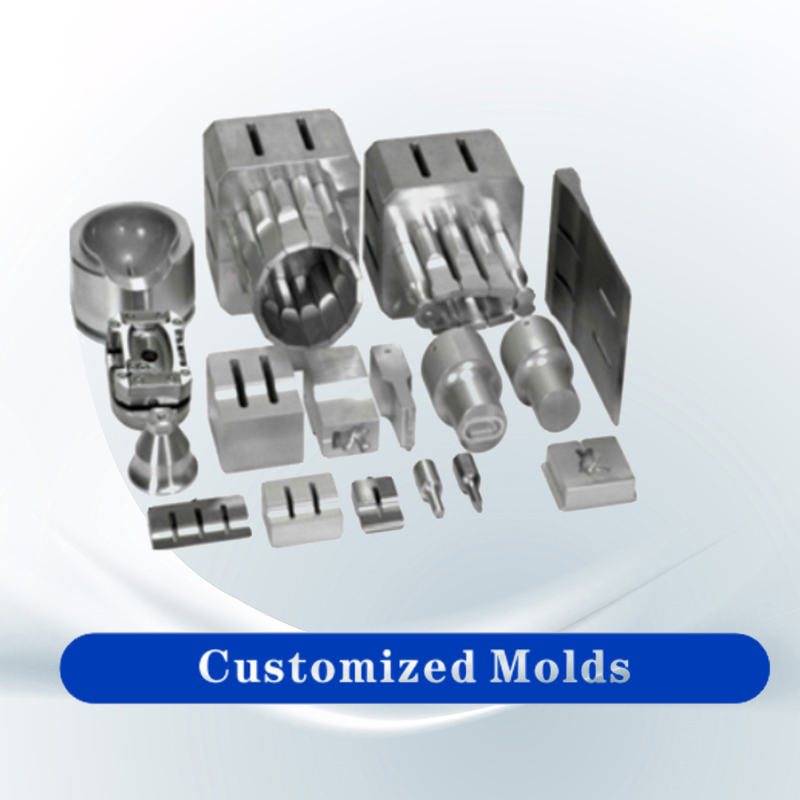
For plastic components featuring positioning pins, circular weld ribs, or specialized energy directors, custom sonotrodes and fixtures can be designed to match the joint interface.
For circular weld structures, it is critical to evaluate weld uniformity, the method of sonotrode contact, and the consistency of the bond along the entire circumference.
**Important Distinction:** Ultrasonic welding between a plastic cap and a plastic interface is a different process than joining a plastic cap (or interface) to a paper-based composite package. The latter requires separate validation specific to the composite packaging structure; one cannot simply assume that standard plastic ultrasonic welding will yield a reliable seal in such cases.
V. Key Design Aspects of Ultrasonic Welding Equipment for Tetra Pak-Style Caps
1. Specialized Ultrasonic Sonotrode (Welding Horn)
The sonotrode must be designed based on the cap’s geometry, the specific welding zone, the material properties, and the vibration characteristics.
For circular caps or round interfaces, the sonotrode structure should ensure uniform distribution of vibration and pressure, preventing localized issues such as insufficient welding or excessive melting.
2. Precision Positioning Fixtures
Positioning fixtures are used to secure the cap and the component to which it is being welded, preventing any displacement during the process.
For small plastic caps, factors such as coaxiality, support methods, and repeatability of positioning are particularly critical.
3. Pressure and Amplitude Control
Welding pressure, amplitude, and duration influence the degree of plastic softening, the quality of the fusion, and the potential for part deformation.
Insufficient pressure may lead to a weak bond, while excessive pressure can cause material extrusion, deformation of the cap, or damage to the weld interface.
4. Automated Control Systems
For high-volume packaging production, systems—typically utilizing a PLC, a touchscreen interface, and production line signal integration—can manage welding initiation, process parameters, fault alarms, and data logging.
Depending on the equipment configuration, control modes based on energy, displacement, or welding time can be employed.
5. Welding Quality Inspection
For food packaging, key quality indicators extend beyond weld strength to include hermetic sealing, opening functionality, visual appearance, and hygiene standards.
Consequently, equipment validation should be conducted in alignment with the packaging design, encompassing:
Visual inspection, pull-off force or bond strength testing, leak testing, opening force testing (where applicable), packaging integrity testing, and necessary validation for transport and storage.
VI. How to choose an ultrasonic welding machine for Tetra Pak caps?
Before selecting equipment, it is advisable to clarify the following information.
Selection Project | Items requiring confirmation |
Cap material | PE, PP or other thermoplastic materials |
packaging structure | Cover, plastic interface, and each layer structure of the composite packaging |
welding position | Plastic versus plastic, or plastic versus composite packaging |
Welding shape | Ring-shaped, spot welding or other special structures |
Cap size | Outer diameter, height, wall thickness and welding area |
production takt | The number of welds that need to be completed per minute |
Automated method | Manual, pneumatic, servo, rotary or online production |
quality requirements | Strength, sealing performance, opening force and appearance |
Verification requirements | Food contact, packaging integrity and customer standards |
The frequency and power of an ultrasonic welding machine should be determined based on the dimensions of the components, the materials used, the weld area, and the required production cycle time; selecting equipment solely based on the diameter of a cap is not advisable.
For food packaging applications, it is also essential to verify that the final packaged assembly complies with applicable regulations for food-contact materials and meets the customer’s quality standards. The welding capability of the equipment itself does not substitute for the compliance verification of the entire packaging system.
VII. Why is preliminary welding testing necessary?
The structure of a Tetra Pak-style cap may involve multiple layers of materials, various plastic grades, and specialized sealing interfaces. Even if two designs appear similar, their "welding windows"—the range of parameters within which a successful weld can be achieved—may differ significantly.
Before selecting equipment, it is recommended to provide the following:
Physical samples of the cap and the components to which it will be attached; information regarding material grades or structural composition; drawings or photographs indicating the weld location; target production cycle time; and requirements for joint strength and sealing performance.
Sample testing helps determine the feasibility of ultrasonic welding and allows for the optimization of the sonotrode (welding horn), fixtures, amplitude, pressure, and weld duration.
If ultrasonic welding is unsuitable for a given packaging structure, alternative methods—such as heat sealing, induction sealing, or other specialized joining processes—can be evaluated.
VIII. Conclusion
Ultrasonic welding offers an efficient, localized heating solution for joining certain plastic caps and related components used on Tetra Pak-style packaging, and it is easily integrated into automated production lines.
For thermoplastic structures compatible with ultrasonic welding, the use of custom-designed sonotrodes, precision fixtures, and monitorable welding parameters ensures consistent joint quality and high production efficiency.
However, **the suitability of ultrasonic welding for a specific cap must be assessed based on the actual materials and packaging structure.** This is particularly critical when joining plastics to paper-based composite packaging; such applications require targeted process validation, as standard plastic welding cannot be directly equated to a packaging sealing process.
For equipment manufacturers and packaging producers, a development workflow consisting of "sample testing—process validation—equipment design—automation integration" is recommended. This ensures that joint strength, packaging integrity, production efficiency, and final product quality all meet the required specifications.