Views: 87 Author: Site Editor Publish Time: 2026-02-25 Origin: Site
What Is Ultrasonic Tea Polyphenols Extraction?
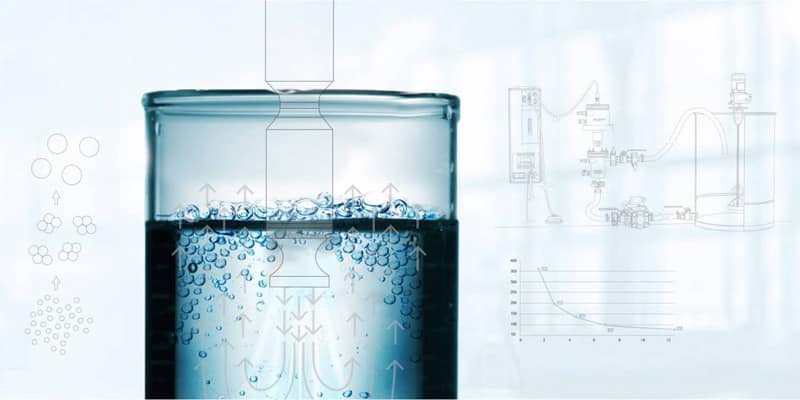
Ultrasonic technology primarily utilizes cavitation to disrupt tea cell walls, accelerating the dissolution of tea polyphenols. Compared to traditional hot extraction methods, it typically shortens extraction time and increases efficiency.
High-efficiency extraction: Multiple studies have confirmed that ultrasound-assisted extraction (UAE) is superior to traditional immersion and microwave-assisted extraction methods in extracting green tea polyphenols. One study, after optimization using response surface methodology, achieved a polyphenol extraction rate of 44.82 mg GAE/g dry tea.
Green solvents: To reduce the use of traditional organic solvents (such as ethanol), researchers are exploring more environmentally friendly solvents. For example, using a natural eutectic solvent (NADES) composed of lactic acid, glycerol, and water in combination with ultrasound can effectively extract 21 phenolic substances, including catechins, offering a high-throughput, rapid, and environmentally friendly pretreatment method. Another method combines ultrasound with water-soluble growth promoters, using water as the entire medium for extraction, also achieving high efficiency.
Combined processes: To pursue even higher extraction rates, researchers are also combining ultrasound with enzymatic methods. The yield of polyphenols can be further improved by optimizing parameters such as enzyme concentration and ultrasonic time.
Application Expansion: In addition to the extraction process itself, researchers are also exploring the functions of the extracts. For example, a 2025 study found that tea polyphenols extracted from Jingshan green tea under optimal conditions (400 W, 40 minutes) exhibited good anti-wrinkle, anti-allergic, and whitening potential.
The effectiveness of ultrasonic extraction is mainly affected by factors such as solvent, temperature, time, power, and solid-liquid ratio.
The effectiveness of ultrasonic extraction is mainly affected by factors such as solvent, temperature, time, power, and solid-liquid ratio.
Research Focus
Extraction solvent
Sonic TEMP
Sonic time
Sonic power
solid-liquid ratio (g:mL)
Main Results
Preparation of instant green tea powder
Water
30 ℃
20 min
-
1 : 25
Yield: 24.67%; Tea polyphenol content: 13.78%
High-purity tea polyphenol extract
ethanol
-
-
-
-
With a purity of up to 96.2% and an extraction rate of 18.95%, it is highly effective.
Response surface methodology optimization
77.6% ethanol
72.1 ℃
37.6 min
248.4 W
1 : 35.8
The extraction rate was 21.78%, an increase of 8.56% compared to the traditional method.
Polyphenols and antioxidant activity
50% ethanol
45 ℃
30 min
250 W
1 : 35
The extraction rate reached 44.82 mg GAE/g dried tea.
Skincare Functional Orientation
Water (tea leaves contain 25% moisture)
-
40 min
400 W
-
With an extraction rate of 33.81%, it has potential for anti-wrinkle and whitening effects.