What Is Ultrasonic Metal Welding
I. Core Concepts and Principles
Ultrasonic metal welding is a solid-state welding technology. It utilizes the energy generated by high-frequency ultrasonic vibrations (typically 15kHz - 40kHz) to join two pieces of metal together without melting.
The core principle can be visualized as "microscopic frictional heating and plastic flow":
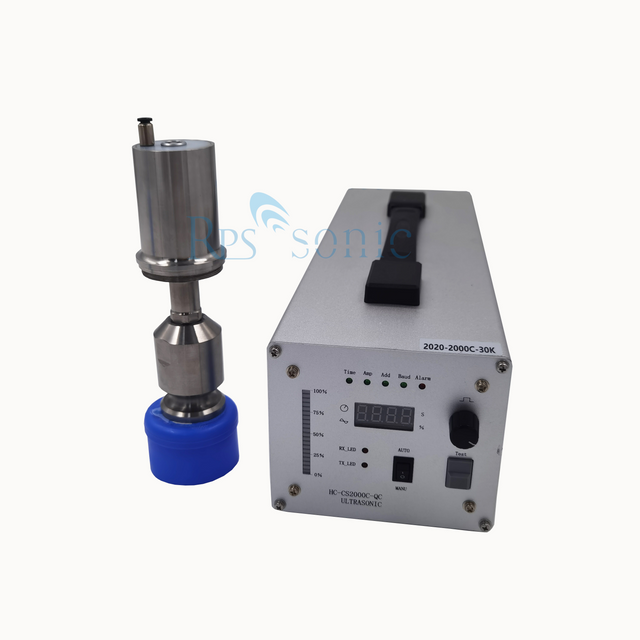
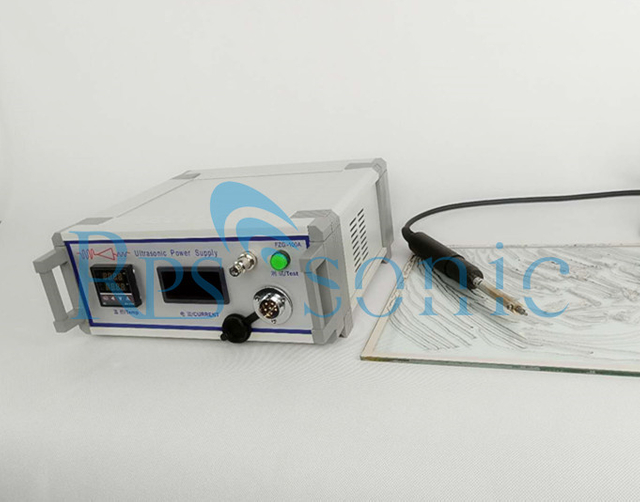
Energy Conversion: The ultrasonic generator converts power frequency electrical energy into a high-frequency electrical signal.
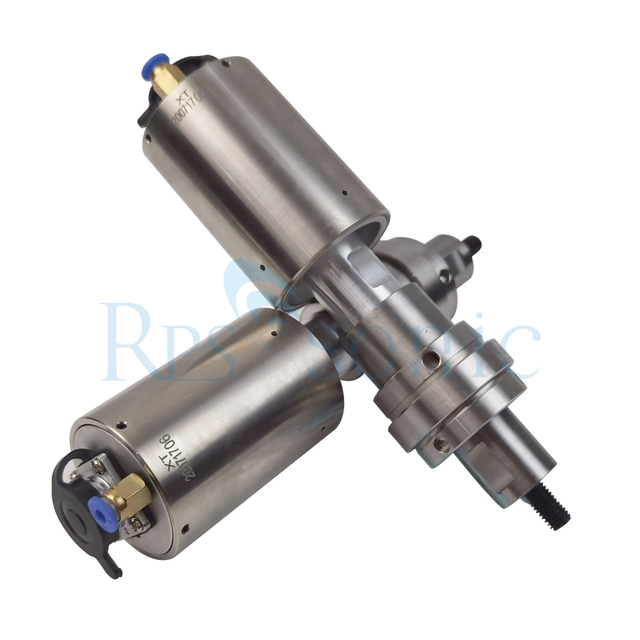
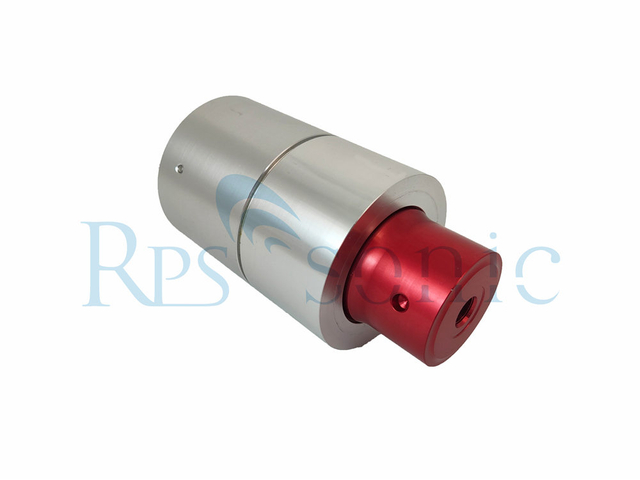
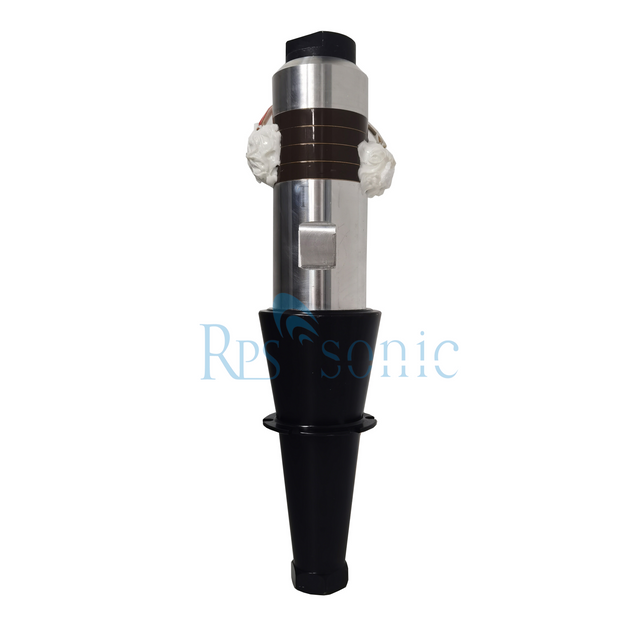
Mechanical Vibration: A transducer (piezoelectric ceramic or magnetostrictive material) converts the electrical signal into mechanical vibration of the same frequency.
Amplitude Amplification: An amplitude modulator amplifies the vibration amplitude to the desired level (typically 5-50 micrometers).
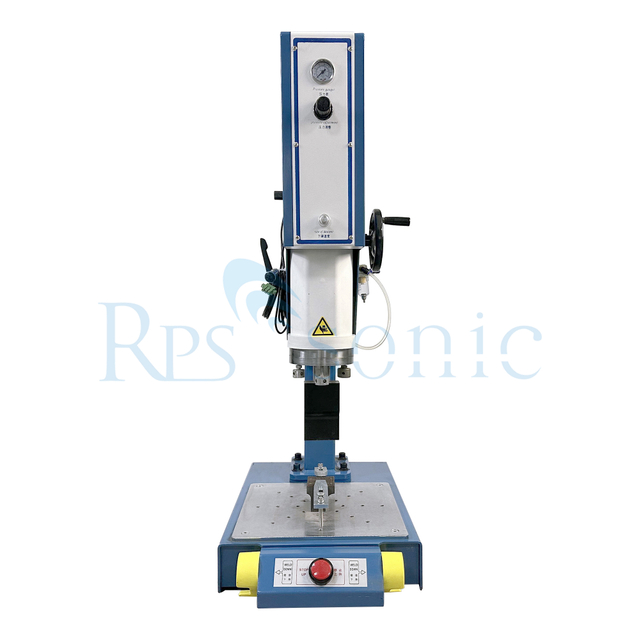
Energy Transfer: The welding head directly transfers the vibrational energy to the workpiece.
Welding Occurs: Under the combined action of static pressure (clamping force) and ultrasonic vibration:
The oxide layer and contaminants on the metal contact surface are destroyed and dispersed.
Microscopic friction and plastic deformation occur between the metal surfaces.
Atoms diffuse into each other on the pure metal surface, forming a strong metallurgical bond.
II. Main Features and Advantages
Solid-phase welding: The metal does not melt, and there is no liquid molten pool, therefore:
No heat-affected zone: Minimal changes in the material's microstructure.
Weldable dissimilar metals: Such as copper-aluminum, aluminum-nickel, etc., avoiding the formation of brittle intermetallic compounds.
Suitable for heat-sensitive materials: Especially important for battery welding (preventing overheating).
High efficiency and energy saving: Extremely short welding time, typically 0.1-1 second, with extremely low energy consumption.
No consumables required: No solder, welding wire, shielding gas, or flux is needed, making it clean and environmentally friendly.
High degree of automation: Easily integrated into automated production lines, ensuring high consistency.
Aesthetically pleasing welds: Weld marks are typically shallow, resulting in good surface quality.
III. Main Process Types
Spot welding: The most common type, used for overlapping sheets or wires to form circular or elliptical weld points. Widely used in lithium battery tab welding and wire terminal welding.
Seam welding: Using a roller-type welding head, it forms sealed or non-sealed weld seams through continuous or step-by-step welding. Used for encapsulation and thin-walled tubing welding.
Circumferential welding: Used to form closed circular weld seams, such as battery casing encapsulation and sensor sealing.
Wire harness welding: Directly welding multiple strands of metal wires together or to terminals, replacing traditional soldering.
IV. Key Application Areas
This is the most dynamic part of the technology, and its applications drive technological development.
New Energy Vehicles and Power Batteries (Largest and Fastest Growing Market)
Battery Cell Manufacturing: Tab welding of square/cylindrical batteries (copper-aluminum, aluminum-aluminum), busbar connections inside battery packs.
Electrical Systems: Wire harness welding, power semiconductor lead welding, charging interface components.
Power Electronics and Semiconductors
Wire bonding inside power modules such as IGBTs and MOSFETs (replacing traditional aluminum wire bonding, with higher reliability).
Soldering of capacitor and sensor leads.
Wires and terminals
Soldering of automotive wiring harnesses, household appliance motor leads, and relay terminals.
Packaging and precision components
Sealing of medical devices (such as implantable devices).
Sealing of metal housings for sensors (such as pressure and temperature sensors).
Consumer electronics (such as headphone metal parts and microphone housings).
V. Material Suitability
Ideal materials: Soft, highly conductive non-ferrous metals, such as aluminum, copper, nickel, and their alloys. These materials readily undergo plastic flow.
Weldable materials: Gold, silver, titanium, etc.
Difficult/unsuitable materials for soldering:
High-hardness metals (such as steel and stainless steel) require very high-power equipment and are difficult to solder.
When soldering dissimilar materials, the hardness difference should not be too large (a hardness ratio of < 1:2 is generally recommended).
Brittle materials (such as cast iron) may crack.
VI. Process Challenges and Limitations
High Requirements for Workpiece Consistency: The cleanliness, flatness, and oxide thickness of the metal surface have a significant impact on weld quality.
Thickness Limitations: Currently, the effective thickness for single-point welding is typically limited to below 3mm (especially for thinner workpieces), limiting multi-layer welding capabilities.
High Equipment Costs: Ultrasonic generators, transducers, and welding heads (which require product-specific design) are expensive.
Workpiece Susceptibility to Damage: Welding heads may leave indentations on soft materials (such as battery electrodes) under high pressure, or shatter brittle materials.
Difficulty in Real-Time Monitoring: The welding process is completed instantaneously, making online non-destructive testing of internal bonding quality difficult. It heavily relies on pre-setting process parameters and process monitoring (such as amplitude, energy, and pressure curves).
VII. Future Development Trends
High-Power and Multi-Layer Welding: Developing higher-power (e.g., >5kW) equipment to weld thicker materials or more layers (e.g., >100 layers) of battery electrodes.
Intelligent Monitoring and AI: Integrating more advanced sensors (force, acoustic, vision) and utilizing artificial intelligence to analyze welding process data in real time, enabling quality prediction and adaptive parameter adjustment.
Hybrid Welding Technology: Combining with laser welding, resistance welding, and other techniques to leverage their respective advantages and solve more complex welding challenges.
Materials Database and Simulation: Establishing a more comprehensive database of material weldability and utilizing finite element simulation to optimize weld head design and process parameters, reducing trial-and-error costs.
Summary: Ultrasonic metal welding is a highly efficient, clean, and precise solid-state joining technology, particularly suited to the demands of modern high-end manufacturing for lightweighting, high reliability, and automation. Driven by power battery manufacturing, it is rapidly evolving towards higher power, more intelligent control, and wider material applications, making it an indispensable key link in advanced manufacturing technology.