Ultrasonic Welding for Packaging Bag Sealing: Efficient, Clean, And Reliable Sealing Technology
1. Introduction
In modern packaging manufacturing, reliable bag sealing is essential for product protection, production efficiency, and packaging quality. From food and beverage packaging to medical supplies, personal care products, and industrial materials, manufacturers require sealing solutions that deliver consistent results at high production speeds.
Ultrasonic welding is an advanced sealing technology that uses high-frequency mechanical vibrations to generate heat at the material interface, creating a strong bond between compatible thermoplastic materials.
Unlike conventional heat sealing, which relies on externally heated sealing bars, ultrasonic sealing generates heat primarily within the contact area between the materials. This can reduce the need for prolonged heating and cooling cycles and may improve sealing efficiency in suitable applications.
With the right equipment configuration, ultrasonic technology can be integrated into automated packaging lines for continuous or intermittent bag sealing.
2. How Does Ultrasonic Bag Sealing Work?
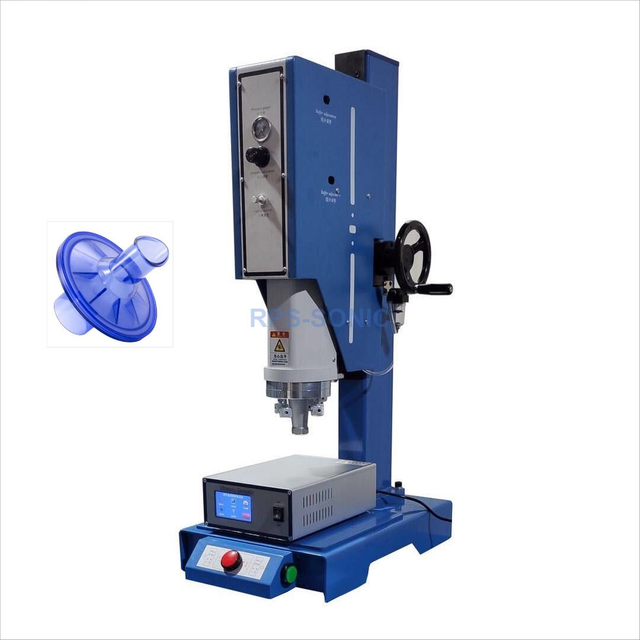
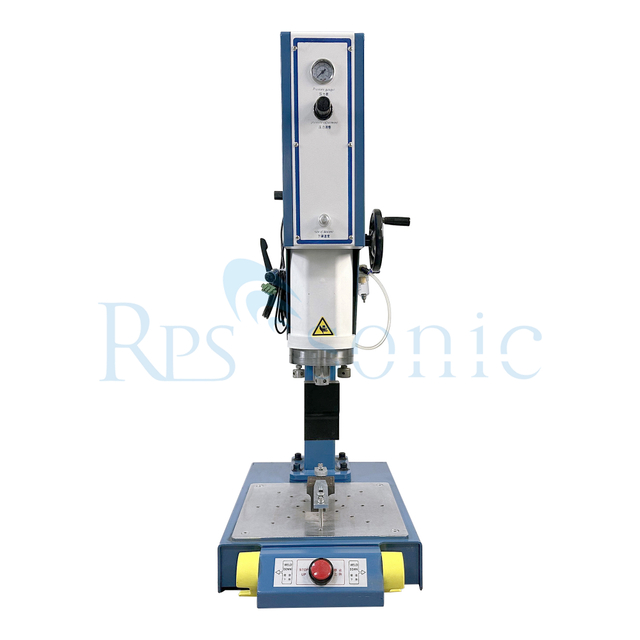
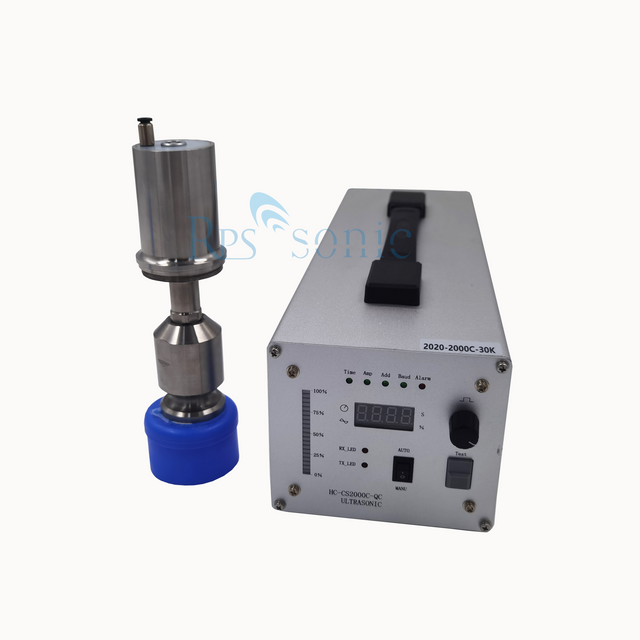
Ultrasonic bag sealing typically involves four main components:
· Ultrasonic generator: Converts electrical energy into a high-frequency electrical signal.
· Ultrasonic transducer: Converts the electrical signal into mechanical vibration.
· Booster and sonotrode: Transmit and amplify the vibration as required by the system design.
· Sealing anvil or patterned roller: Supports the packaging material and provides the contact surface needed to form the seal.
During the sealing process, the packaging materials are positioned between the vibrating sonotrode and the anvil or roller. The applied vibration generates localized heat at the interface, softening the compatible thermoplastic layers. Pressure brings the softened layers together, forming a bond.
The vibration then stops, and the joint solidifies under pressure.
The sealing cycle can be controlled through parameters such as:
· Ultrasonic amplitude
· Welding force or pressure
· Welding time
· Holding time
· Sealing geometry and contact area
· Material structure and thickness
For automated production, these parameters can be optimized to achieve consistent sealing quality and repeatable performance.
3. Which Packaging Materials Are Suitable for Ultrasonic Sealing?
Ultrasonic sealing is most suitable for packaging structures containing compatible thermoplastic sealing layers.
Potential materials include:
Polyethylene (PE)
PE films are commonly used in flexible packaging. Ultrasonic sealing may be suitable for certain PE bag structures, depending on film thickness, density, additives, and sealing geometry.
Polypropylene (PP)
PP is widely used in packaging bags and pouches. Suitable PP structures can be ultrasonically sealed when the material and equipment parameters are properly matched.
Laminated and Multilayer Films
Many packaging bags consist of several layers that provide barrier protection, mechanical strength, printability, or heat-sealing properties.
Ultrasonic sealing may be possible when the structure includes compatible thermoplastic layers at the sealing interface. However, the presence of aluminum foil, paper, adhesives, or dissimilar polymers can affect the sealing process and must be evaluated through testing.
Important: Material names alone are not sufficient to confirm compatibility. The complete film structure, sealing-layer composition, thickness, and required seal strength should be assessed before selecting an ultrasonic sealing system.
4. Key Advantages of Ultrasonic Bag Sealing
4.1 Localized Heat Generation
Ultrasonic energy concentrates heating at the sealing interface rather than requiring the entire sealing tool to remain at a high temperature.
This can reduce the thermal exposure of surrounding packaging areas and may be beneficial for heat-sensitive products or multilayer films.
4.2 Potential for Shorter Sealing Cycles
Ultrasonic sealing can form a bond within a relatively short welding cycle. In suitable applications, this can help increase packaging-line productivity.
Actual production speed depends on bag dimensions, material properties, seal length, machine handling, and the required sealing strength.
4.3 Consistent and Repeatable Sealing
Digital control of ultrasonic parameters allows manufacturers to optimize and repeat the sealing process.
When properly designed and maintained, the system can provide stable sealing performance across repeated production cycles.
4.4 Reduced Dependence on Continuously Heated Tools
Unlike conventional heat sealing, ultrasonic sealing does not generally require the sealing interface to be maintained by continuously heated bars.
This may reduce warm-up requirements and certain heat-related maintenance issues. However, the overall energy consumption and operating cost depend on the complete machine design and production conditions.
4.5 Integration with Automated Packaging Lines
Ultrasonic sealing systems can be integrated into automatic bag-making, filling, and packaging equipment.
Depending on the application, the sealing system may use intermittent operation, a linear sonotrode, or a rotating ultrasonic sealing arrangement for continuous production.
5. Typical Applications
Food Packaging
Ultrasonic sealing can be considered for compatible flexible packaging used for snacks, dry foods, powders, and other food products.
For food packaging, the sealing process must be validated to ensure that the finished package meets the required seal strength, leak resistance, hygiene, and shelf-life requirements.
If product residue is present in the sealing area, the sealing performance must be evaluated under realistic production conditions.
Medical and Healthcare Packaging
Ultrasonic technology may be suitable for selected thermoplastic packaging structures used for medical or healthcare products.
However, medical packaging often requires validated sealing processes and specific barrier-performance requirements. Ultrasonic sealing should only be adopted after confirming that the complete packaging system meets the applicable regulatory and validation requirements.
Cosmetic and Personal Care Packaging
Ultrasonic sealing may be used in selected packaging applications for personal care products, sachets, and flexible pouches, provided the packaging materials are compatible.
Industrial and Chemical Packaging
Certain flexible bags used for powders, granules, and industrial products may also be suitable for ultrasonic sealing.
For chemical packaging, compatibility with the packaged substance, resistance to leakage, and the required mechanical strength must be verified.
6. Ultrasonic Sealing vs. Conventional Heat Sealing
Comparison | Ultrasonic Sealing | Conventional Heat Sealing |
Heat generation | Primarily localized at the material interface | Primarily transferred from heated sealing tools |
Tool temperature | Does not generally require continuously heated sealing bars | Usually requires heated sealing bars |
Cycle time | Can be short for suitable materials and geometries | Depends on heating, pressure, and cooling requirements |
Material compatibility | Requires compatible thermoplastic sealing layers | Requires suitable heat-sealable materials |
Multilayer packaging | Possible for selected structures | Widely used for suitable multilayer films |
Automation | Suitable for integration into automated lines | Suitable for integration into automated lines |
Process validation | Required | Required |
Neither technology is universally superior. The most appropriate solution depends on the packaging material, bag dimensions, production speed, seal requirements, and total operating cost.
7. Continuous Ultrasonic Sealing for High-Speed Production
For packaging manufacturers operating at high production volumes, continuous ultrasonic sealing may be an option.
A rotating ultrasonic sealing system typically combines a sonotrode with a specially designed rotating anvil or patterned sealing roller. As the packaging material passes through the sealing zone, ultrasonic vibration and controlled pressure create a continuous or patterned seal.
Potential benefits include:
· Integration into continuous packaging processes
· Reduced interruption between sealing cycles
· Repeatable sealing patterns
· Potentially high production efficiency for suitable bag designs
The achievable line speed depends on the film properties, seal width, roller design, ultrasonic power, and required seal performance. Actual throughput should be confirmed through testing with the intended packaging material.
8. How to Select the Right Ultrasonic Bag Sealing Machine
Before selecting an ultrasonic sealing system, manufacturers should evaluate the following factors.
1. Packaging material
Provide the full film structure, including the sealing layer, total thickness, and any barrier or adhesive layers.
2. Bag dimensions
Bag width, seal length, seal width, and sealing position influence the required tooling and system configuration.
3. Required production speed
Specify the target number of bags per minute and the operating conditions under which that speed must be achieved.
4. Seal performance
Define the required seal strength, leak resistance, appearance, and any applicable packaging standards.
5. Product characteristics
Determine whether the sealing area may be contaminated by liquid, powder, oil, or other product residue.
6. Machine integration
Clarify whether the system will be installed on an existing packaging machine or supplied as part of a complete automated line.
7. Testing and validation
Conduct trials with actual production materials to establish the appropriate amplitude, force, welding time, and tooling geometry.
9. Conclusion
Ultrasonic welding provides a valuable alternative to conventional heat sealing for selected flexible packaging applications. By generating localized heat through high-frequency mechanical vibration, it can offer short sealing cycles, repeatable process control, and opportunities for integration into automated packaging lines.
However, successful ultrasonic bag sealing depends on selecting compatible packaging materials and optimizing the complete sealing system.
For manufacturers seeking to improve packaging efficiency, reduce thermal exposure, or develop a new automated sealing process, ultrasonic technology is worth evaluating through application-specific testing.
Looking for an ultrasonic sealing solution for your packaging bags?
Contact our engineering team with your packaging material, film thickness, bag dimensions, target production speed, and sealing requirements. We can evaluate the application and recommend a suitable ultrasonic sealing configuration.