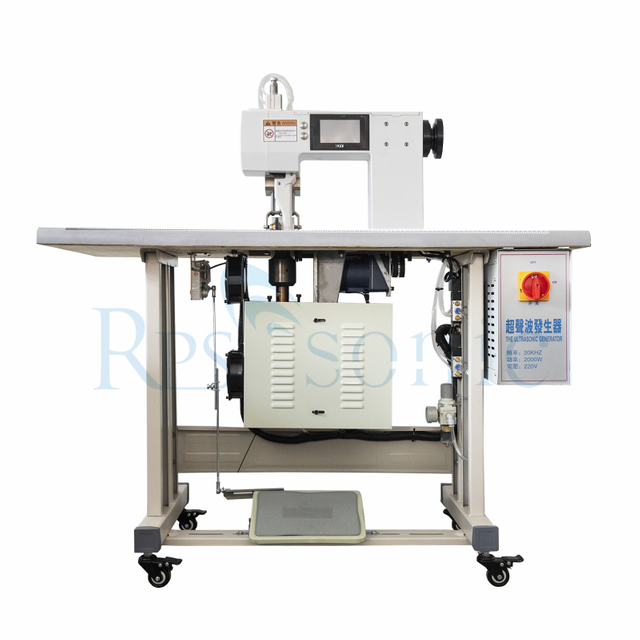
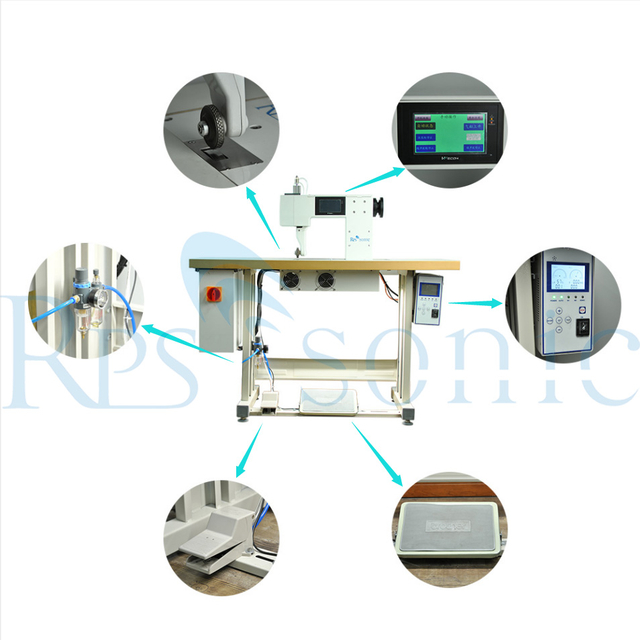
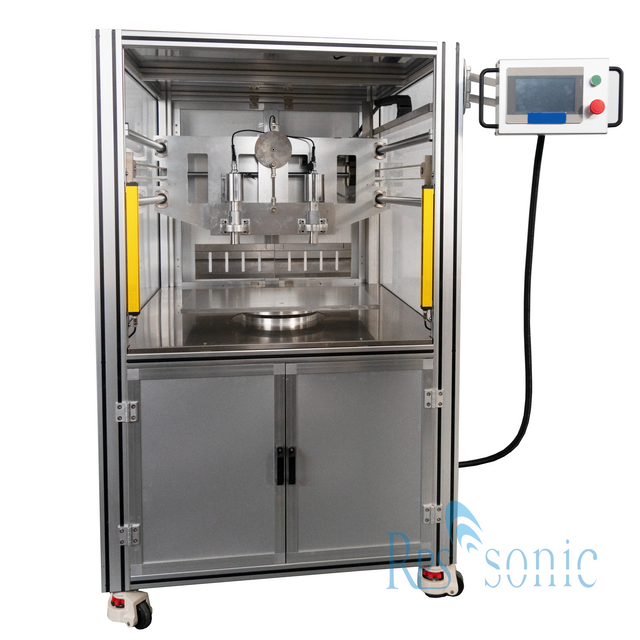
What Is Ultrasonic Carpet Cutting Machine?
Ultrasonic carpet cutting is an advanced processing technology that utilizes high-frequency vibration energy to achieve cutting and edge fusion sealing in a single process. It is particularly suitable for processing carpets made of thermoplastic materials such as synthetic fibers and blends.
Unlike traditional mechanical cutting relying on sharp blades, this technology achieves higher processing quality and efficiency through precise energy conversion and transmission. Its core working principle can be summarized in three steps:
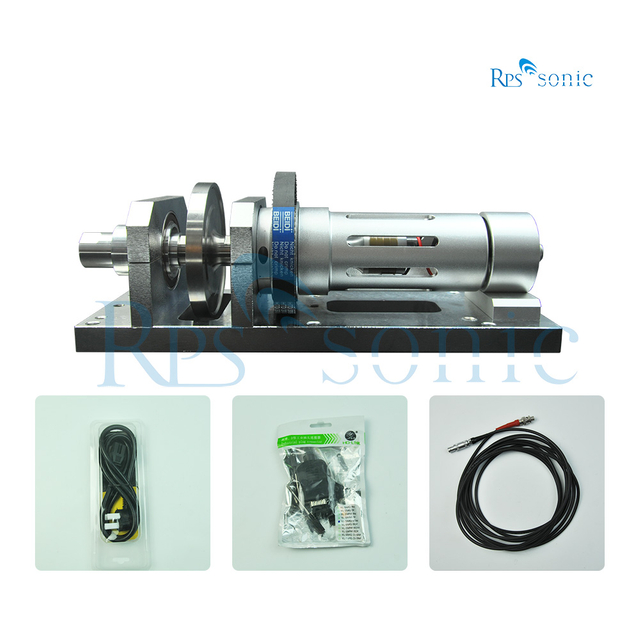
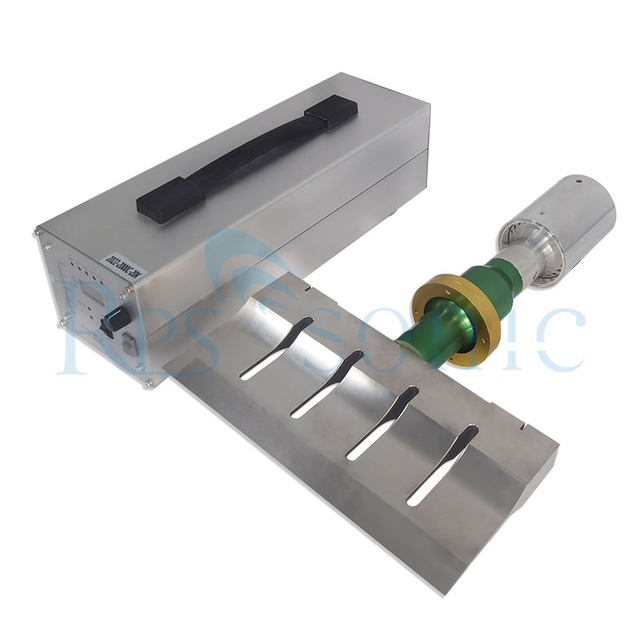
**Energy Conversion and Transmission:** The ultrasonic generator inside the device converts ordinary electrical energy into high-frequency, high-voltage electrical signals. Subsequently, the transducer converts these electrical signals into mechanical vibrations of the same frequency. Finally, the amplitude is amplified and transmitted to the cutting head via an amplitude transformer.
**High-Frequency Vibration Cutting:** The cutting head vibrates intensely at the micrometer level at a frequency of 20,000 to 40,000 times per second (20-40 kHz). When the vibrating cutting head contacts the carpet, it generates tremendous high-speed friction with the material surface, instantly creating localized high temperatures at the cutting point, melting the material.
Simultaneous Cutting and Edge Sealing: The molten material separates to both sides under high pressure, forming a cut. Simultaneously, the blade edge immediately fuses and seals the cut edge, achieving "cutting while sealing." This is crucial for preventing frayed and snagged edges on synthetic fiber carpets.
Key Advantages: The core advantages this technology brings to carpet processing are shown in the table below:
* Smooth, Rough Edges: Cutting and sealing simultaneously solves the problem of rough and frayed edges common in traditional cutting, resulting in clean, aesthetically pleasing cuts without the need for secondary trimming.
* High Cutting Precision and Efficiency: Cutting accuracy can reach ±0.1 mm. Simultaneous cutting speed can reach 10 meters per minute, handling carpet widths up to 5.6 meters.
* Clean and Environmentally Friendly Process: Almost no dust or debris is generated during the cutting process, optimizing the workshop environment and meeting environmental production requirements.
* Wide Material Applicability: Particularly suitable for carpets made of thermoplastic materials such as synthetic fibers, nylon, blends, and PP. Due to the vibration and friction heating, the impact on material deformation is minimal.
* High Degree of Automation: Can be easily integrated into automated production lines. Equipped with an intelligent control system, it enables one-button operation and can even cut complex patterns and lace.
Applicable Equipment Types
Depending on the production scenario, the main types of ultrasonic cutting equipment on the market are as follows:
* Handheld Cutting Machine: Portable and flexible, suitable for small-scale, high-flexibility cutting operations, such as manual trimming, small-batch sample production, or on-site rework.
* Carpet Slitting/Cutting Machine: Used to precisely slit wide carpet rolls longitudinally into multiple narrow strips. Working widths typically range from 3.2 meters to 6 meters or wider, suitable for large-scale production.
* Cross-cutting Machine: Works in conjunction with a slitting machine to cut carpet rolls laterally to a fixed length.
* CNC Vibrating Knife Cutting Machine: Integrates an ultrasonic cutting head and a CNC system, enabling automatic, high-precision irregular-shaped cutting of carpets according to computer-designed drawings. Commonly used for customized products.
Precautions and Selection Recommendations
Material Limitations: Pure natural fiber carpets (such as pure wool and pure cotton) lack thermoplasticity and cannot be edge-sealed by fusion, resulting in significantly reduced effectiveness. Blended materials must ensure a thermoplastic fiber content of no less than 20%.
Equipment Selection: Equipment selection should comprehensively consider production scale, carpet thickness, density, and material.
Frequency Selection: Generally, equipment around 20kHz has stronger power and is suitable for cutting thicker, harder carpets; equipment with a 35-40kHz vibration frequency has a higher vibration frequency and a finer cut, suitable for thinner, high-precision cutting.
Cutter Head Material: Standard cutting cutters are made of alloy steel. For long-term cutting of carpets containing glass fiber or carbon fiber, it is recommended to use tungsten steel cutters with better wear resistance.
Cost and Maintenance: Initial investment is higher than traditional mechanical cutting. Furthermore, core components such as cutters and transducers are consumables and require regular inspection and replacement.
This technology is an effective solution to problems such as frayed edges and low production efficiency in synthetic fiber carpets, and is widely used in the manufacturing of automotive interiors, home carpets, and industrial felt.