Ultrasonic Welding Application in Automotive Manufacturing
Ultrasonic welding is deeply integrated into modern automotive manufacturing, especially in the field of new energy vehicles. It uses high-frequency vibration to instantly generate heat and melt the materials at the contact surface, forming a strong molecular-level bond. This technology is not only fast (typically 0.1-3 seconds), requires no solder or adhesive, but also achieves high-strength, reliable connections, making it an ideal connection solution for plastic and metal parts (especially wiring harnesses).
Below are its specific applications in the automotive industry.
Main Application Scenarios
Automotive Wiring Harnesses
Application Description: Used for various wiring harness connections in the automotive "neural network," including main wiring harnesses (connecting the engine, entertainment system, etc.) and branch wiring harnesses (doors, seats, etc.).
Representative Components and Cases: High-voltage wiring harnesses, low-voltage aluminum wiring harnesses (achieving lightweighting), large-diameter wiring harness welding (up to 120mm²).
Core Advantages: Extremely low connection resistance, low heat generation, excellent conductivity and durability.
Automotive Lighting Systems
Application Description: High-quality sealing welding for various automotive lights -1.
Representative Components and Cases: Lamp cover sealing welding (avoids fogging and yellowing, maintains high transparency); license plate lights, fog lights, daytime running lights, high-mounted brake lights, etc.
Core Advantages: Minimal heat-affected zone, dense welds, meets waterproof and dustproof standards.
Interior and Exterior Trim Components
Application Description: Used to achieve aesthetically pleasing and robust seamless assembly.
Representative Components and Cases: Dashboard, door panels, storage compartments; shelves and sound insulation (replaces adhesives, lightweight and environmentally friendly); A/B/C/D pillar trim panels, bumpers -6-2, front logo - etc.
Core Advantages: Avoids VOC emissions -1, aesthetically pleasing cuts, no stress concentration, strength close to the base material.
Powertrain and Chassis
Application Description: Used for critical components with stringent requirements for strength and airtightness.
Representative Components and Cases: Filters, piping, lightweight brackets -- 4; Battery module brackets and trays for new energy vehicles (IP67 waterproof rating) -- 22; Brake fluid reservoirs, water tanks, fuel tanks, air ducts, etc.
Core Advantages: High connection strength, capable of withstanding complex operating conditions such as alternating high and low temperatures - 4, meeting airtightness requirements.
Electronics and Electrical Appliances
Application Description: Used to protect sensitive electronic components and achieve reliable encapsulation.
Representative Components and Cases: Sensor housings, connectors, wiring harness fasteners; Reversing radar sensors (avoiding electromagnetic interference from traditional welding).
Core Advantages: Prevents heat damage to electronic components - 12, achieving high-precision sealing.
Material Compatibility: The applicability of ultrasonic welding is highly dependent on the material type.
✅ Thermoplastics (Main Force): Most automotive plastics can be welded. Typical materials include:
PP, PE, ABS: Commonly used in interior and exterior trim parts, easy to weld - 17.
PC, PA, PBT: Commonly used in electronics and structural components, high strength, but requires precise temperature control.
Glass fiber reinforced plastics: Glass fiber hinders fusion, requiring adjustment of process parameters.
✅ Metallic materials: Mainly used for wire harnesses and battery connections:
Copper and copper alloys: Standard wire harness materials, requiring high purity, easy to weld.
Aluminum and aluminum alloys: A trend towards lightweighting, replacing copper. Welding dissimilar metals like copper and aluminum is a core technical challenge.
❌ Incompatible materials
Thermosetting plastics: Do not soften after heating, cannot be welded.
PVC: Some soft PVC can be welded, but rigid PVC is not effective.
Metal + plastic dissimilar materials: Difficult to weld, requires special structural design, such as embedding metal inserts into plastic. ⚙️ Core Process Forms
Ultrasonic welding has several implementation forms to adapt to different product structures:
Ultrasonic riveting: Utilizing ultrasonic waves to melt a plastic column and form a rivet head, securing another component. Suitable for multi-layered materials or situations where direct butt welding is not possible.
Ultrasonic piercing welding: Using ultrasonic energy to penetrate one layer of material and fuse it to the layer below. Commonly used for welding exterior components such as spoilers.
Ultrasonic embedding: Embedding metal parts (such as nuts) into pre-molded plastic holes using ultrasonic vibration, providing a high-strength threaded connection.
Equipment Types and Automation Trends
Equipment has evolved from stand-alone machines to highly automated and intelligent systems:
Automation Integration: Equipment is integrated with industrial robots and servo systems to form fully automated workstations, achieving precise positioning, gripping, and welding.
Flexible Production: Advanced equipment supports rapid changeover, enabling quick switching between different product models to meet flexible manufacturing needs.
Intelligent Monitoring: Connectable to Manufacturing Execution Systems (MES) to monitor welding energy, time, pressure, and other parameters in real time, ensuring consistent quality.
Equipment Selection Guide
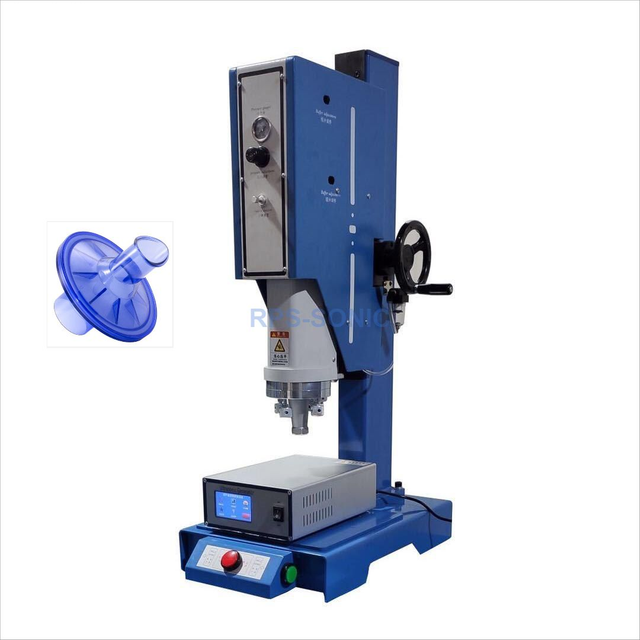
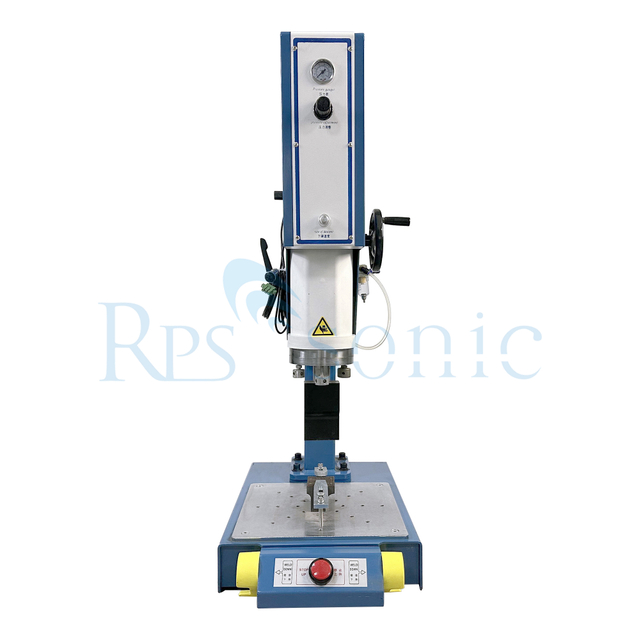
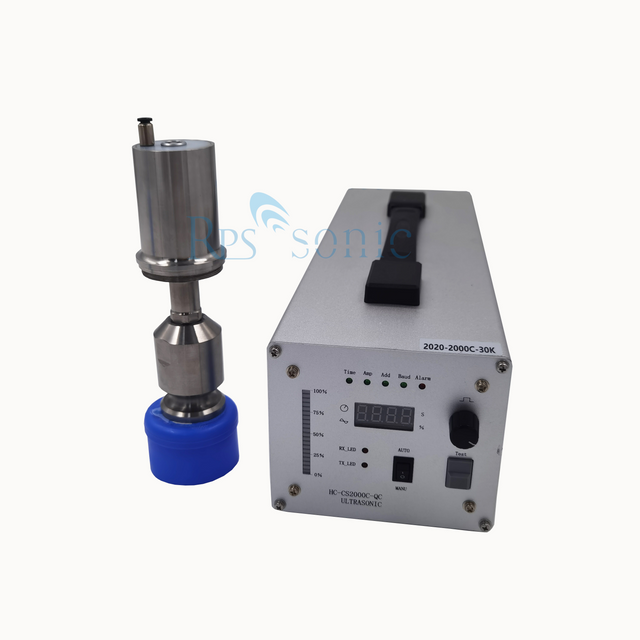
Application Scenarios: Precision wire harness welding, battery tab welding, plastic component welding
Typical Power Range: 400W - 14,000W
Typical Frequency: 20kHz, 35kHz, 40kHz