English



Views: 53 Author: Site Editor Publish Time: 2026-09-02 Origin: Site
Ultrasonic Sealing And Cutting Machines Create High-quality Sealing And Cutting Processes
In packaging, textiles, nonwoven fabrics, medical consumables, and plastics processing, sealing and cutting quality, efficiency, and environmental friendliness are becoming core competitive advantages. Traditional heat sealing and cutting, as well as cold cutting, are prone to problems such as burrs, gaps, heat shrinkage, high energy consumption, and excessive waste. Ultrasonic sealing and cutting machines, however, achieve simultaneous welding and cutting using high-frequency vibration. With their advantages of cleanliness, high efficiency, stability, and energy saving, they have become the mainstream technology solution for flexible material processing.
I. Working Principle: Precise Welding and Cutting under High-Frequency Vibration
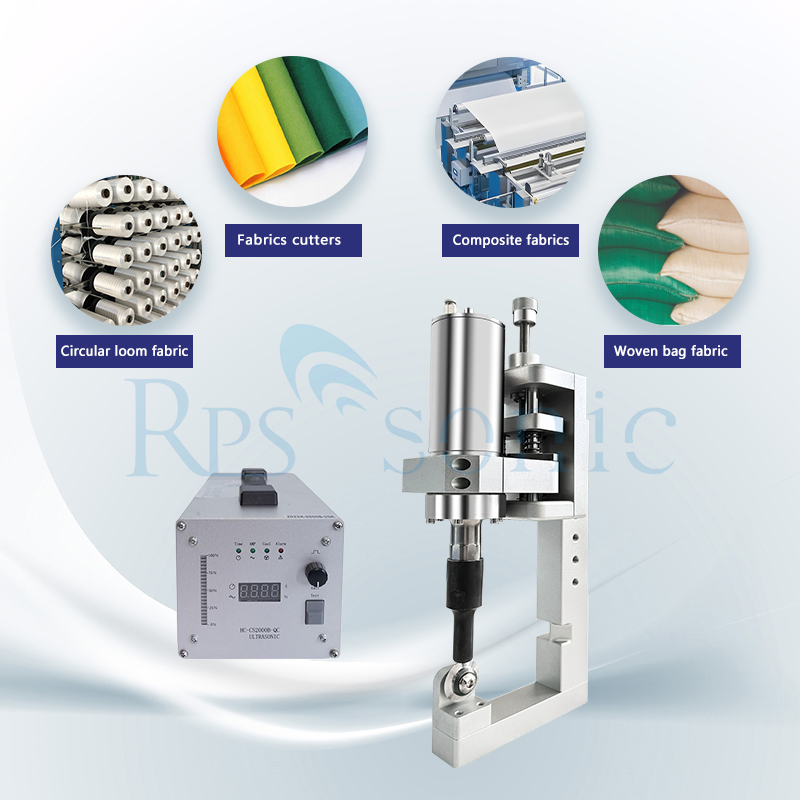
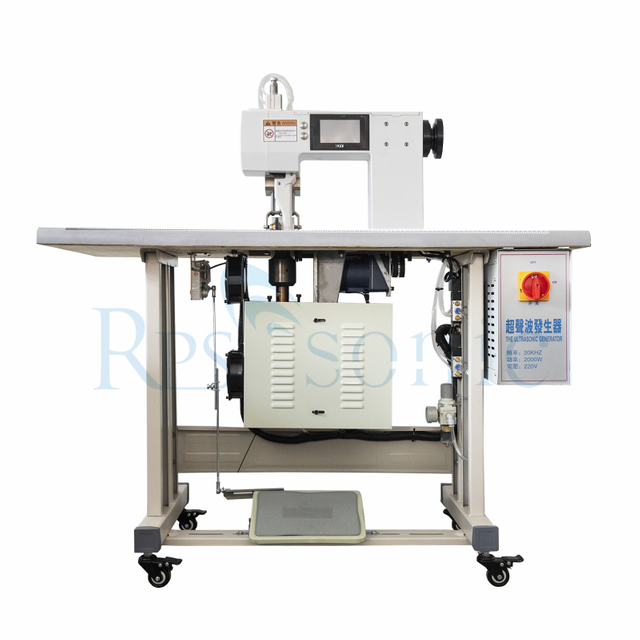
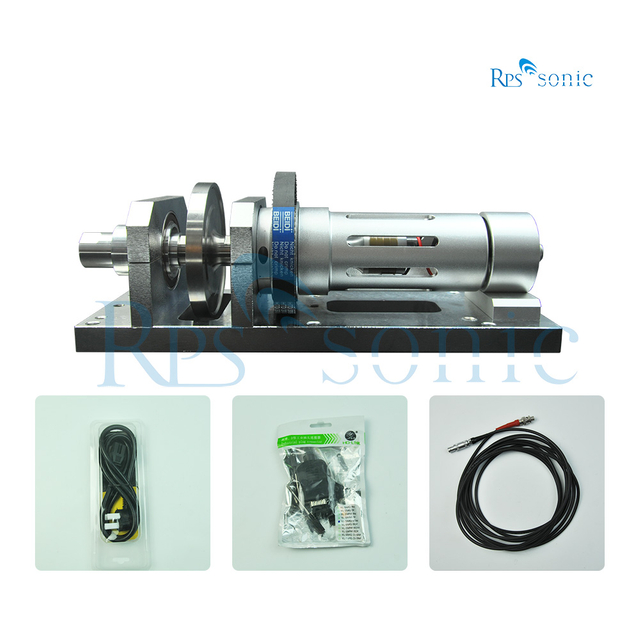
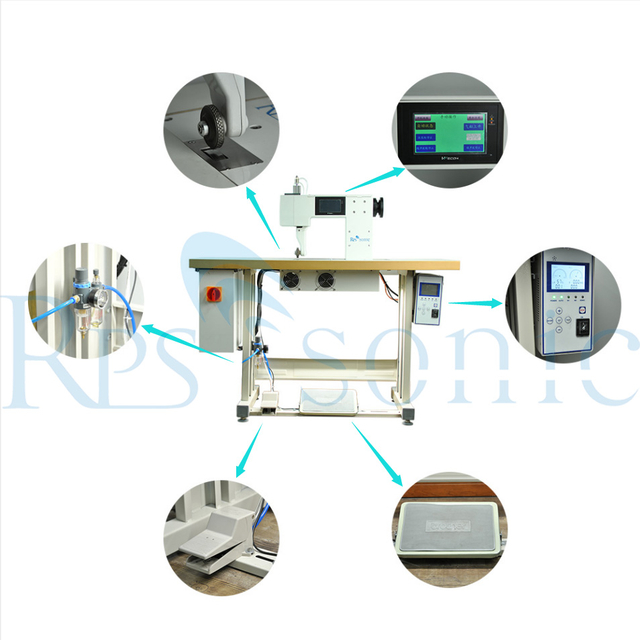
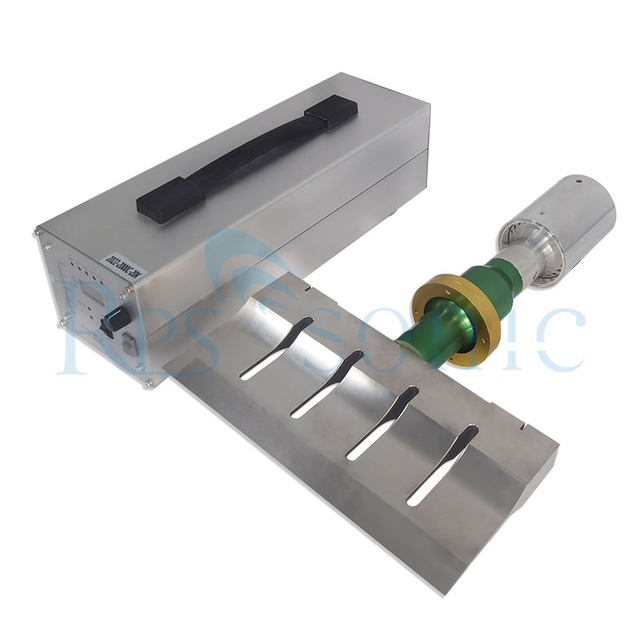
The ultrasonic sealing and cutting machine consists of an ultrasonic generator, transducer, welding head (mold), frame, and transmission system. The equipment converts mains power into 20–40kHz high-frequency electrical energy, which is then converted into mechanical vibration by the transducer and transmitted to the material contact surface through the welding head. Under pressure, the material molecules rub at high speed, generating localized instantaneous high temperatures, causing the thermoplastic material to melt and bond, simultaneously completing the cutting. This results in a seal without gaps, a burr-free cut, and one-time forming. The entire process is flameless, preheated, and glue-free, with a minimal heat-affected zone, and does not damage the material itself.
II. Core Advantages: A Comprehensive Upgrade Compared to Traditional Processes
Clean Cuts and Strong Sealing: Synchronous melting and cutting eliminates fraying, stringing, and roughness. The sealing is airtight and waterproof, suitable for applications requiring high sealing performance, such as masks, filter materials, hygiene products, and waterproof fabrics.
High Efficiency and Stability, Adaptable to High-Speed Production Lines: Single sealing and cutting takes only 0.05–0.3 seconds, 3–6 times faster than traditional processes; no preheating required, ready to use immediately, stable continuous operation, and higher yield.
Energy Saving and Environmentally Friendly: Energy consumption is only momentary during operation, saving approximately 50%–60% more energy than heat sealing; no ink, glue, or heating fumes, resulting in less waste and meeting low-carbon production requirements.
Material-Friendly and Widely Applicable: More suitable for heat-sensitive, ultra-thin, and easily shrinkable materials; narrow heat-affected zone, no scorched edges, no discoloration, maintaining the material's appearance and performance.
Simple Maintenance and Lower Costs: No high-temperature burns on the blade, eliminating the need for frequent blade changes and temperature adjustments; easy to clean and change molds, adaptable to multiple specifications with quick switching. III. Applicable Materials and Typical Industries
Applicable Materials: Primarily thermoplastic flexible materials: non-woven fabrics, PP/PE/PET/PVC films, nylon, polyester, spandex, webbing, filter cloth, composite membranes, soft plastics, coated fabrics, etc.
Main Application Scenarios:
Medical Consumables: Masks, surgical gowns, isolation gowns, dressings, filters; airtight, clean, sterile, and highly efficient.
Hygiene Products: Diapers, sanitary napkins, wet wipes, nursing pads; soft, skin-friendly, and non-irritating sealing.
Packaging Industry: Food soft bags, daily chemical soft tubes, spout bags, cup lid films, express delivery bags; strong sealing, leak-proof, and aesthetically pleasing.
Textiles and Apparel: Webbing, curtains, carpets, garment accessories, seamless edging; no frayed edges, no need for edge binding, improved texture.
Industrial Filter Media: Air/liquid filter bags, filter cloths, composite filter screens; strong sealing, leak-proof, and longer lifespan.
Plastics and Auto Parts: Precise cutting and clean edges for plastic films, foams, sound insulation cotton, and interior trim parts.
IV. Equipment Selection Considerations
Frequency and Power: 30–40kHz for thin materials, 20kHz for thick/multi-layer materials; power should match material thickness and width.
Width and Speed: Select according to product width and production line cycle time; supports semi-automatic/fully automatic/online integration.
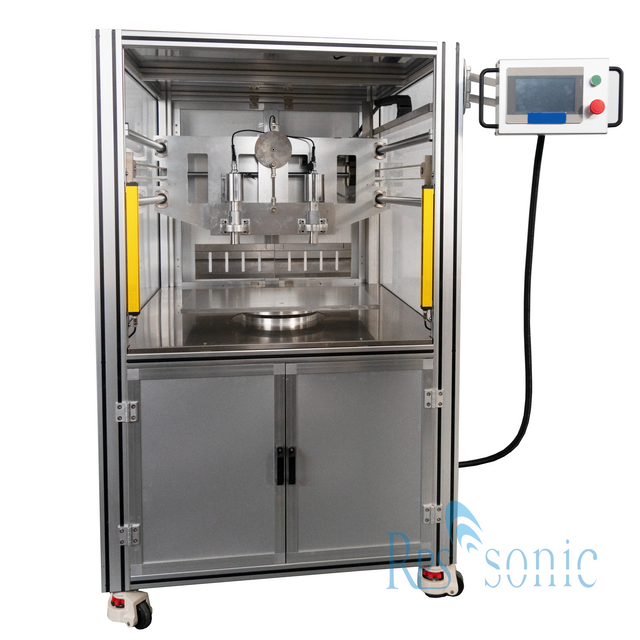
Mold and Control: Welding head material and pattern determine edge sealing effect; equipped with servo control, digital display amplitude adjustment, counting, emergency stop, and safety light curtain.
Structure and Stability: Gantry type, roller type, and table type meet different workstation requirements; strong machine body rigidity, uniform pressing, and good consistency.
V. Development Trends: Intelligentization and Flexibility
With the advancement of intelligent manufacturing, ultrasonic sealing and cutting machines are developing towards higher frequency, smaller size, digitalization, and online integration: equipped with visual positioning, automatic feeding, tension control, and data traceability, they can seamlessly integrate into production lines; multi-station linkage, one-click mold change, and remote operation and maintenance further lower the barrier to entry, meeting the needs of multi-variety, small-batch, and highly flexible production. Driven by both increasingly stringent environmental regulations and quality upgrades, this technology will continue to replace traditional sealing and cutting, becoming standard equipment for improving quality and efficiency across various industries.
Conclusion: Ultrasonic sealing and cutting machines, with their core values of integrated melting and cutting, cleanliness and efficiency, and energy conservation and environmental protection, redefine the sealing and cutting process for flexible materials. Whether in the medical, packaging, textile, or industrial filter media industries, they can improve product quality and production efficiency while reducing overall costs, helping enterprises move towards a more intelligent and green manufacturing model.