Ultrasonic Packaging Welding Technology: Principles, Applications And Industrial Innovation
In the packaging production lines of the food, pharmaceutical, and daily chemical industries, welding (sealing) is a crucial step that determines the shelf life and safety of products. Traditional heat sealing technology has long dominated, but its limitations are becoming increasingly apparent in the face of new composite materials, high-speed automated production, and increasingly stringent environmental regulations. Ultrasonic packaging welding technology has emerged to address this need, and with its high efficiency, cleanliness, and precision, it is reshaping the process standards of the modern packaging industry.
I. Working Principle: The core mechanism of ultrasonic packaging welding differs fundamentally from heat sealing. Traditional heat sealing relies on external heating elements to conduct heat to the surface of the packaging material, causing the thermoplastic layer to melt and bond. Ultrasonic welding, however, converts electrical energy into high-frequency mechanical vibration energy, directly generating heat within the material.
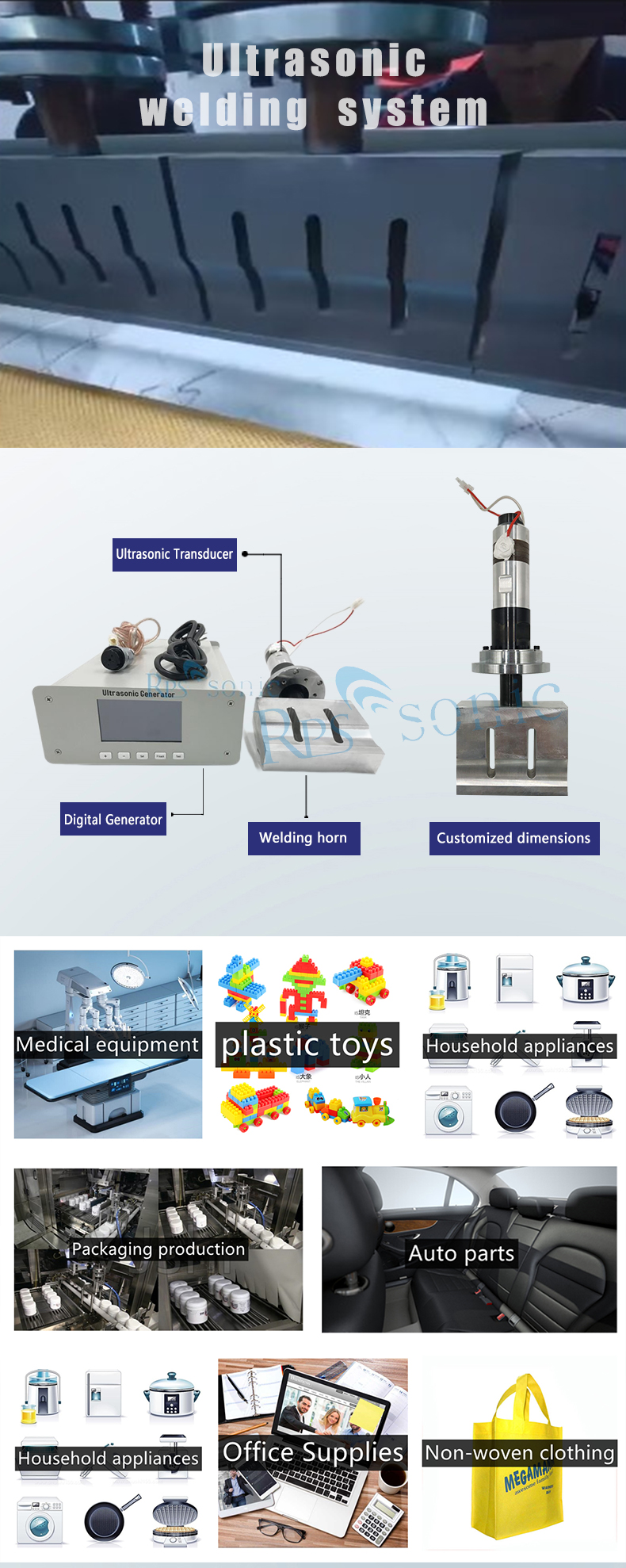
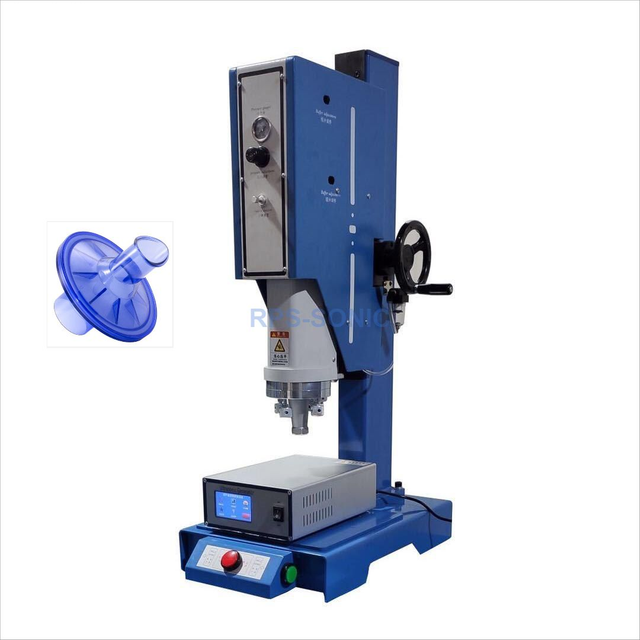
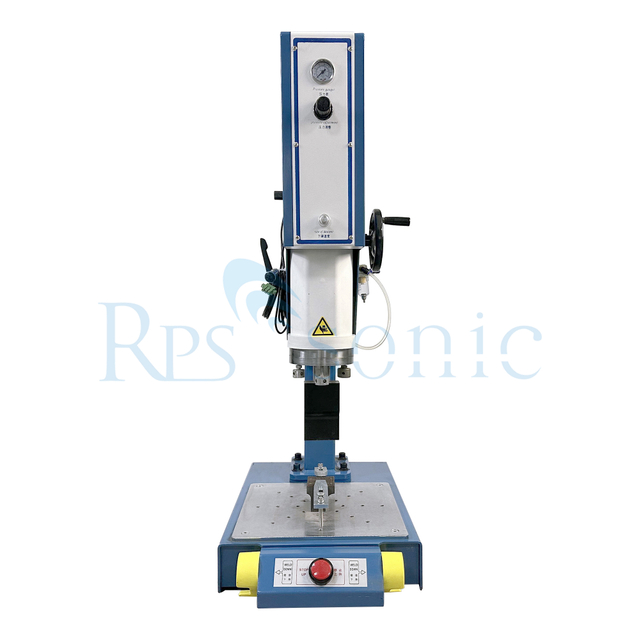
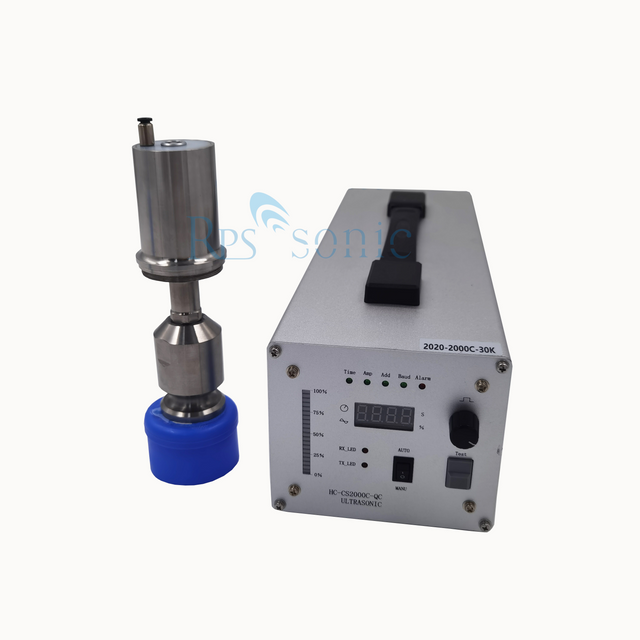
A typical ultrasonic packaging welding system consists of four main parts: an ultrasonic generator, a transducer, a welding head (mold), and a frame. Its workflow is as follows:
Energy Conversion: The ultrasonic generator converts mains power into a high-frequency electrical signal (typically 15kHz, 20kHz, 30kHz, or 40kHz), driving the transducer to convert it into mechanical vibration of the same frequency.
Positioning and Pressurization: The packaging material to be welded is precisely positioned, and the welding head presses it firmly under pressure.
Frictional Heating: The high-frequency vibration is transmitted through the welding head to the material contact surface, causing the molecules at the interface to generate high-speed friction tens of thousands of times per second. Due to the high acoustic impedance at the contact surface, the heat generated by friction accumulates rapidly, causing the thermoplastic material to reach its melting point and melt locally and instantaneously.
Cooling and solidification: After vibration ceases, pressure is briefly maintained, allowing the molten material to cool and solidify within a very short time, forming a strong molecular-level bond.
The core of this process lies in the precise application of energy to the welding area, without heating the entire material, resulting in a minimal heat-affected zone. Welding temperature can be reduced by 40% compared to traditional processes, effectively preventing material carbonization.
II. Core Advantages: Why Ultrasonic Welding is Replacing Heat Sealing
Compared to traditional heat sealing and adhesive processes, ultrasonic packaging welding exhibits overwhelming advantages in multiple dimensions:
1. Extreme Cleanliness, Zero Chemical Additives
Ultrasonic welding is a purely physical process, requiring no adhesives, solvents, or auxiliary materials. This completely eliminates the risk of adhesive volatiles migrating and contaminating the contents, meeting the most stringent food contact material safety regulations. The welded area is made of the same material as the packaging body, making the packaging easier to recycle and sort.
2. Superior Sealing, Extended Shelf Life
Ultrasonic welding creates a molecular-level seal with both airtight and liquid-tight properties, effectively blocking oxygen, moisture, and microorganisms. Data from a pharmaceutical company shows that the peel strength of blister packaging after ultrasonic welding reaches 35N/15mm, four times higher than heat sealing. In juice packaging applications, the cap sealing strength is improved by 40%, achieving "zero leakage."
3. Lightning Speed, Adaptable to High-Speed Production Lines
The welding process is typically completed within 1 second, and in some scenarios, it can even be shortened to 0.2-0.3 seconds. The bonding between plastics can be completed within milliseconds. For example, in bag opening welding, under 20kHz high-frequency vibration, an 8mm wide bag opening can be welded in 0.3 seconds, achieving a sealing strength of 4.2N/mm².
4. Ultra-high precision, micron-level control
The introduction of a modern servo control system enables welding precision down to the micron level—some high-end models can reach 2μm. Welding accuracy can be controlled within ±0.02mm. The servo motor can adjust the amplitude in real time (0-100μm adjustable) to meet the welding needs of materials of different thicknesses.
5. Contamination-resistant welding, unaffected by dirt
Ultrasonic welding can seal through contaminants (such as liquids, grease, powders, etc.) without affecting the welding effect. The mechanical action of the vibration "squeezes" residual product from the weld area into the sealing zone, ensuring an absolute seal. This is something traditional heat sealing cannot achieve.
6. Extremely low energy consumption, environmentally friendly
Ultrasonic energy is consumed only in the precise area requiring welding, making it highly efficient and economical. Energy consumption is reduced by 47% compared to traditional heat sealing equipment and by two-thirds compared to resistance welding. In some applications, energy savings can even reach 75%. The entire process produces no harmful gases, no open flames, and no smoke.
III. Wide Range of Applications Ultrasonic packaging welding technology covers almost all the joining needs of thermoplastic packaging materials. Applicable materials include polypropylene (PP), polyethylene (PE), polyester (PET), polystyrene (PS), ABS, nylon and their composites, as well as thin aluminum foil. Specific applications include:
Flexible Packaging: Sealing spout pouches (juice, sauces), coffee capsules, pet food bags, stand-up pouches (chips, nuts), and tube bags. Ultrasonic waves can safely separate residual product in the weld area, ensuring an absolute seal.
Rigid Containers: Sealing yogurt cups, jelly cups, and takeout containers, as well as sealing rigid plastic packaging such as brick bags, integrated lids, and self-sealing lids.
Tube and Special Packaging: Sealing the ends of tubes such as toothpaste and mustard, sealing pharmaceutical blister packs, and sealing coffee capsules.
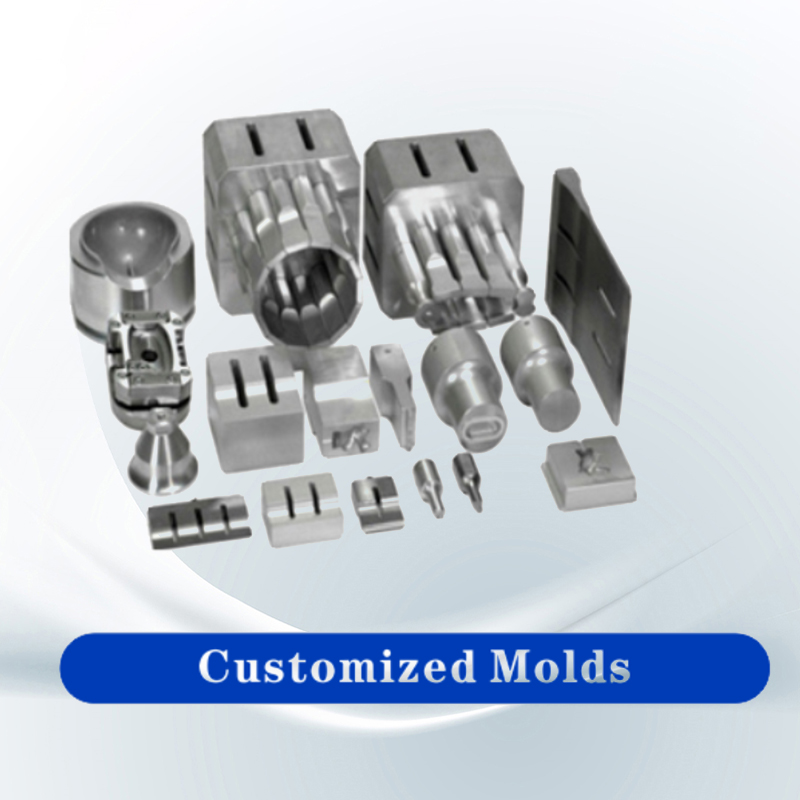
Irregular and Complex Packaging: Curved welding of irregularly shaped packaging such as triangular bags and stand-up pouches. By customizing the welding head shape, welding needs for various complex geometries can be perfectly handled.
Industrial packaging: edge binding, pressing, and sealing of valve bags, woven bags, snake-skin bags, and inner plastic film lined bags.
IV. Ultrasonic Packaging Welding Technology is Becoming a Core Driver of Sustainable Transformation in the Packaging Industry. Several noteworthy development directions include:
1. Adaptation to Bio-based and Recyclable Materials
Traditional heat sealing often falls short when handling bio-based plastics and materials with high recyclability. Ultrasonic welding, however, can effectively seal recycled films, bio-based films, and various paper-based materials. Ultrasonic welding of uncoated paper has already been successful in the laboratory and will significantly improve packaging sustainability in the future.
2. Torsional Ultrasonic Technology
The combination of traditional linear ultrasonic welding and innovative torsional ultrasonic technology (such as SONIQTWIST®) sets a new standard for material-friendly packaging. Torsional technology distributes energy more evenly, making it particularly suitable for handling sensitive or thin-walled materials.
3. Digitalization and Industry 4.0
Next-generation ultrasonic welding platforms are developing towards intelligence, configurability, and real-time control. Through IoT connectivity and big data analytics, end-to-end quality traceability and predictive maintenance are achieved.
Conclusion: Ultrasonic packaging welding technology is not a simple replacement for traditional heat sealing, but a fundamental transformation from "heating method" to "energy utilization." It replaces external heat conduction with molecular-level endogenous heat, replaces extensive heat transfer with micron-level precise control, and responds to increasingly stringent food safety and environmental protection requirements with a pure process free of chemical additives.
From a bag of potato chips in your hand, to a strip of capsules in the pharmacy, to a cup of yogurt in the supermarket freezer—ultrasonic welding is silently safeguarding the safety and freshness of every package. With the continuous advancement of materials science, automation technology, and intelligent control, this technology will undoubtedly open up a broader future for the packaging industry.