Ultrasonic Fabric Sealing And Cutting Technology: Revolutionizing The Manufacturing of Curtains, Blinds, And Awnings
In the manufacturing of curtains, blinds, and awnings, the cutting and edge sealing of fabric are critical steps that determine both product quality and production efficiency. Traditional mechanical cutting methods often result in issues such as frayed edges, unraveling threads, and pilling; these not only detract from the finished product's appearance but also necessitate additional edge-finishing processes. The advent of ultrasonic fabric sealing and cutting technology offers a revolutionary solution to these industry pain points.
I. What is Ultrasonic Fabric Sealing and Cutting?
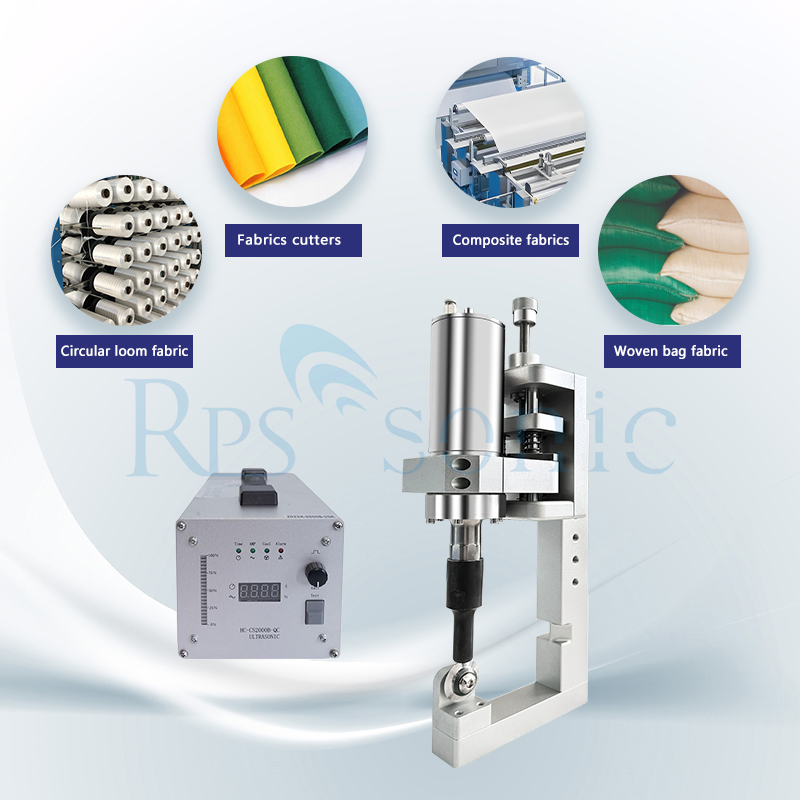
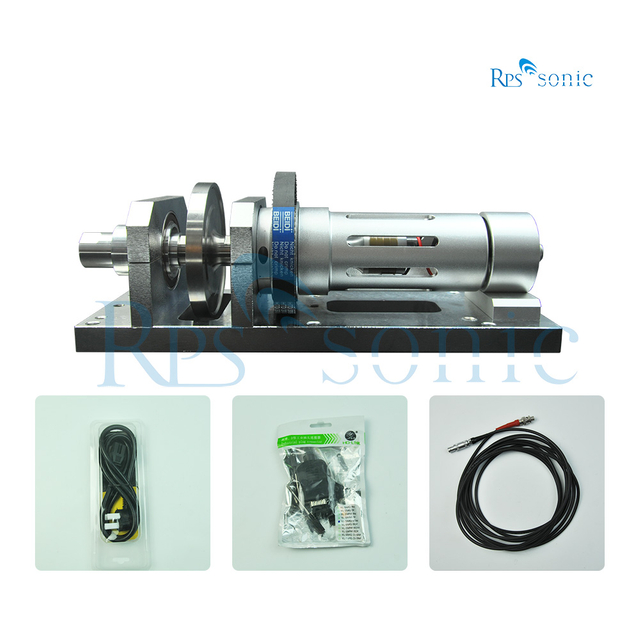
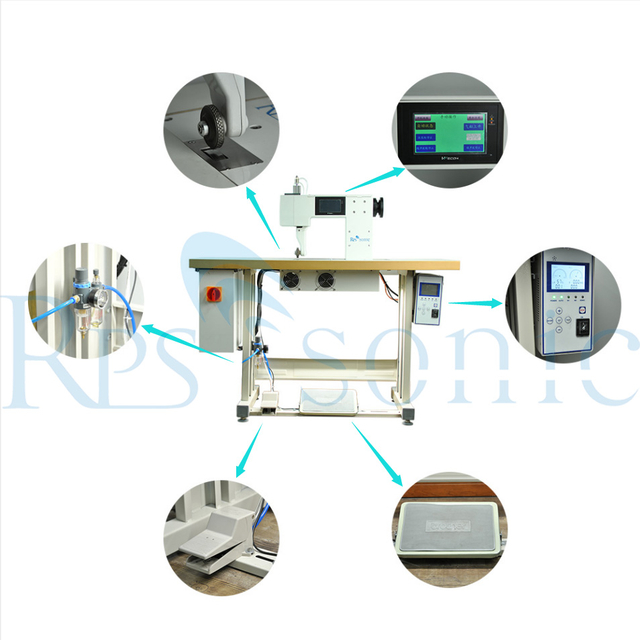
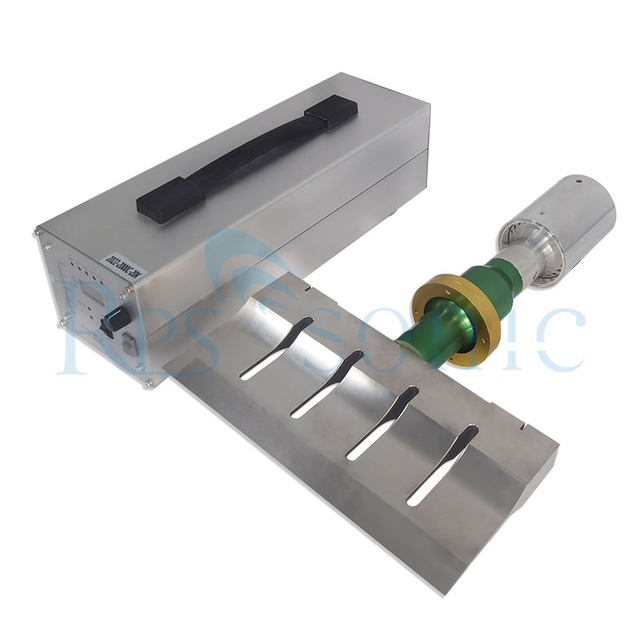
Ultrasonic fabric sealing and cutting is a high-precision processing technology that utilizes high-frequency ultrasonic vibrations to simultaneously cut fabric and seal its edges. Its operating principle is as follows: an ultrasonic generator converts electrical energy into high-frequency mechanical vibrations, which are transmitted to the fabric via a transducer and a cutting tool (horn). When the tool vibrates at high speeds—typically between 20 kHz and 40 kHz—localized heat is generated at the cutting interface. This causes the thermoplastic fibers within the fabric to melt and fuse instantly, thereby achieving both cutting and edge sealing in a single operation.
This technology is particularly well-suited for various thermoplastic fabrics—and their blends—containing at least 70% synthetic fibers. It is widely used for the slitting and processing of fabrics for products such as roller blinds, vertical blinds, zebra blinds, sheer shades, Roman shades, and awnings.
II. Key Technical Advantages
Compared to traditional cutting methods, ultrasonic fabric sealing and cutting technology offers the following significant advantages:
1. Simultaneous Cutting and Sealing: Eliminating Fraying and Unraveling
The defining characteristic of ultrasonic cutting is the simultaneous execution of cutting and edge sealing. The heat generated by high-frequency vibration during the process fuses and seals the fibers at the cut edge, effectively preventing fiber loosening, unraveling, and pilling. The resulting edges are smooth, neat, and free of burrs, scorch marks, or discoloration, thereby completely resolving the common issues of fraying and loose edges associated with traditional cutting methods.
2. Precise Cuts and Consistent Quality
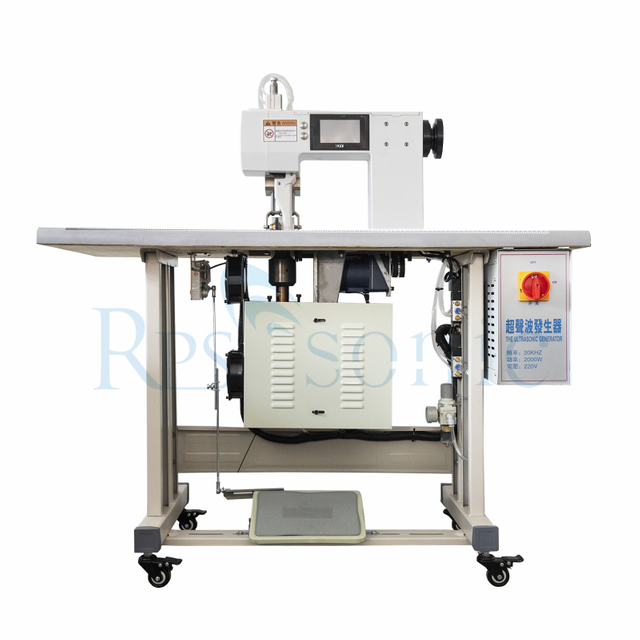
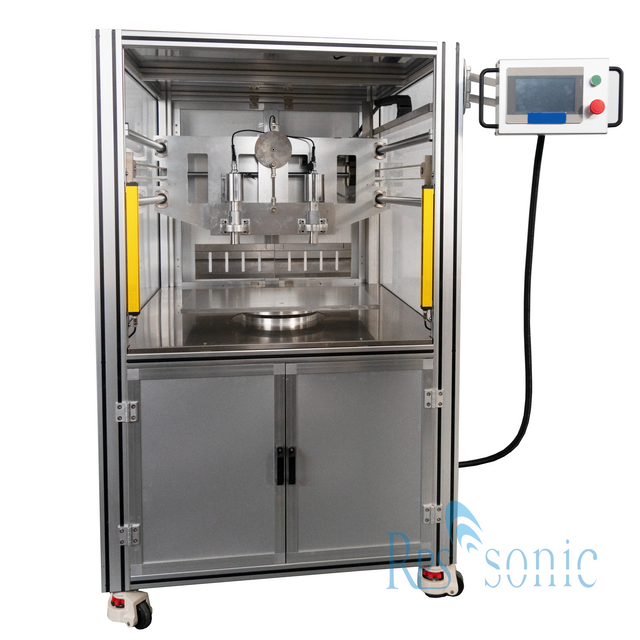
Ultrasonic cutting systems typically feature PLC microcomputer control and a touchscreen human-machine interface (HMI). Operators simply input the required dimensions and quantities, and the equipment automatically executes the cutting task. Cutting precision is maintained within 1mm, resulting in clean, secure edges without deformation, fraying, or wrinkling. This is particularly critical for products requiring high dimensional accuracy, such as blind slats and curtain strips.
3. High-efficiency production and labor savings
Ultrasonic cutting equipment supports continuous, automated production, with cutting speeds reaching 18–30 meters per minute (or higher) and output rates of 3–9 pieces per minute for certain models. A single operator can manage multiple machines, significantly reducing labor costs and boosting mass production efficiency.
4. No fabric damage or discoloration
Unlike hot-knife cutting, which can cause discoloration or scorching, ultrasonic cutting does not lead to fading or color bleeding. The cut edges remain soft, preserving the fabric's original texture and color—a crucial factor for products like sunscreen fabrics and blackout materials that demand high standards for aesthetics and texture.
5. Clean, eco-friendly, and free of toxic fumes
Ultrasonic cutting generates no smoke or toxic gases, ensuring a clean and safe working environment that meets modern green manufacturing standards.
III. Typical Application Scenarios
Blinds Manufacturing: Products such as vertical blinds, roller blinds, zebra blinds, and sheer shades require wide-format fabrics to be slit into strips of uniform width. Ultrasonic slitting machines can perform multi-blade slitting and edge sealing in a single pass; the cutting width is flexibly adjustable between 89mm and 3.0m, meeting production requirements for various blind specifications.
Curtain Processing: From residential curtains to commercial shading systems, ultrasonic cutting equipment enables precise fixed-length cutting and slitting. The resulting edges are neat and aesthetically pleasing, enhancing the product's quality and appeal.
Awning Manufacturing: Awning fabrics are typically weather-resistant synthetic textiles, which are prone to fraying when cut using traditional methods. Ultrasonic technology effectively eliminates fraying during the cutting of sun-protection fabrics while ensuring the durability of the cut edges.
IV. Reference for Equipment Selection
Ultrasonic fabric sealing and cutting equipment available on the market primarily falls into the following categories:
type | characteristic | applicable scene |
Fully automatic ultrasonic cutting machine | PLC control, touchscreen operation, automatic winding and unwinding of rolls | Large quantities of uniformly sized fabrics are cut into pieces. |
Handheld ultrasonic cutting machine | Flexible and lightweight, capable of being used independently or integrated into production lines. | Small batch, irregular cutting, sample making |
Rail-type ultrasonic sealing and cutting machine | Equipped with guide rails for guidance and customizable cutting width | The straight cutting of curtains and blinds |
When making the selection, factors such as the fabric material (content of synthetic fibers), fabric weight (GSM), thickness, production speed requirements, and cutting width range should all be taken into consideration.
Conclusion
The ultrasonic fabric sealing/cutting technology, with its significant advantages such as synchronized cutting and sealing, smooth cuts, high efficiency and energy conservation, as well as cleanliness and environmental friendliness, is becoming the standard configuration in the curtain, blinds and sunshade manufacturing industries. It not only helps enterprises solve the long-standing quality problems like frayed edges and loose threads in traditional cutting processes, but also significantly improves production efficiency and product value through automated and intelligent production methods. For curtain and sunshade manufacturing enterprises that pursue high quality and high efficiency, introducing ultrasonic cutting equipment is undoubtedly a strategic investment.