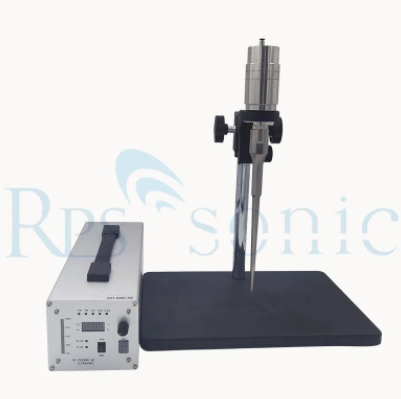
How To Remove Foam From Bottle Surface Using Ultrasonic Technology
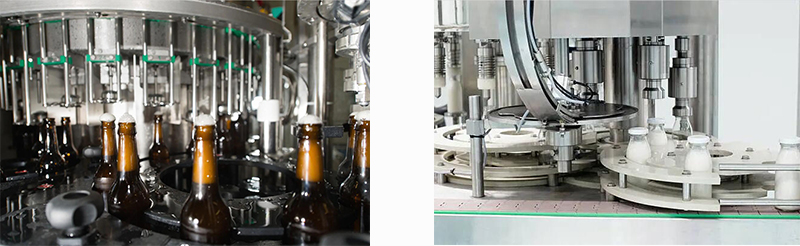
Using ultrasonic technology to remove foam from bottle necks on filling lines is a highly efficient physical solution that achieves "contactless and additive-free" removal, offering significant benefits to both production and product quality.
Working Principle: How to Eliminate Foam "Invisibly"
Its principle can be broken down into two key steps:
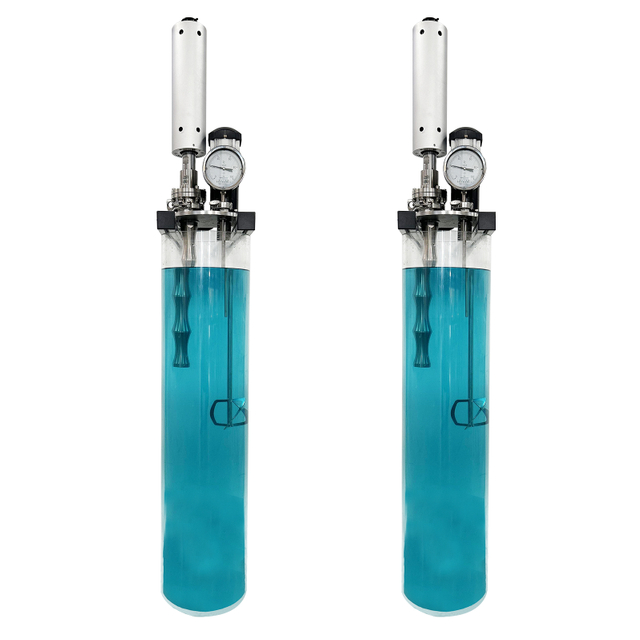
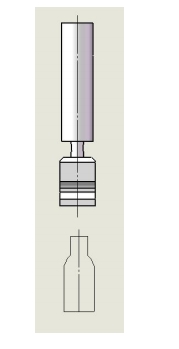
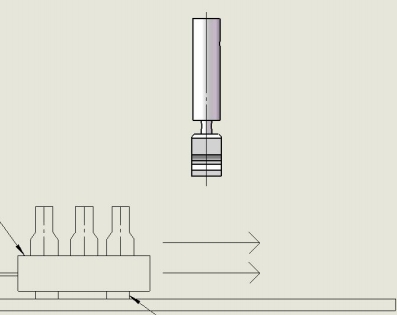
* **Energy Conduction:** The core component of the equipment, the ultrasonic tool head, is installed above the filling line, without contact with the foam area. It generates high-frequency ultrasonic waves, precisely projecting the sound wave energy onto the foam at the bottle neck through the air.
* **Physical Foam Breaking:** The sound wave energy causes the foam film to vibrate violently. When the vibration frequency matches the natural frequency of the foam, resonance occurs, causing the foam film to rapidly thin and break, thus achieving the effect of "silently" eliminating foam. This process does not involve any chemicals and is very environmentally friendly.
**Core Advantages:** Why Choose It?
Compared to traditional methods, its advantages are significant:
* **Contactless and Pollution-Free:** Purely physical defoaming, requiring no defoaming agents, leaving no chemical residues, ensuring food safety, and making it an ideal choice for clean production environments in food, pharmaceutical, and other industries.
High Efficiency, Increased Capacity: Rapid and efficient defoaming can boost filling line speed by over 20%. It also effectively reduces material waste caused by foam overflow, improving product yield.
Safety, Reduced Costs: Low equipment failure rate and long lifespan. Since no chemical defoamers are needed, related costs are eliminated. The return on investment cycle for some products can even be shortened to within one month.
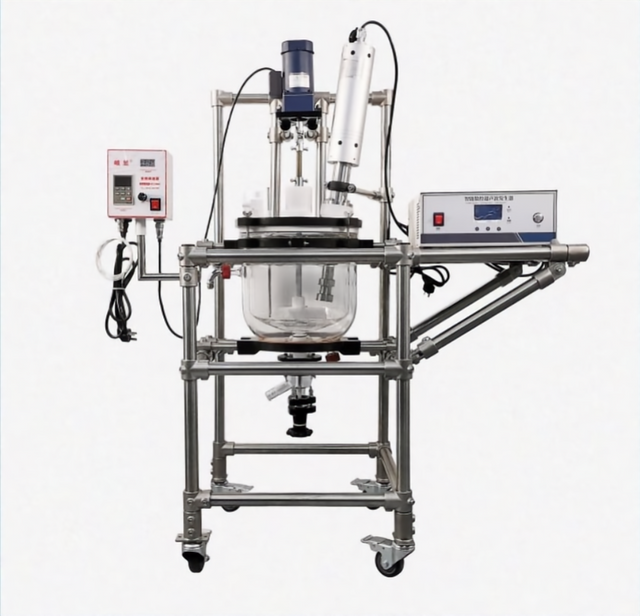
Intelligent, Easy Integration: Supports PLC remote control and automated linkage, enabling on-demand start-up and energy efficiency. The equipment has a high protection level and can adapt to humid filling environments.
Typical Equipment and Application Solutions: This technology is very mature, and several mature solutions are available on the market:
Functional Integration Solution: Highly integrated with filling machines. It can help increase filling machine speeds to up to 700 bottles/minute (PET bottles) and significantly reduce refrigeration energy consumption.
Flexible Module Installation: Can be installed above existing conveyor belts. Vibration causes carbonated beverages to briefly foam and then quickly break down, achieving highly efficient defoaming at extremely low cost.
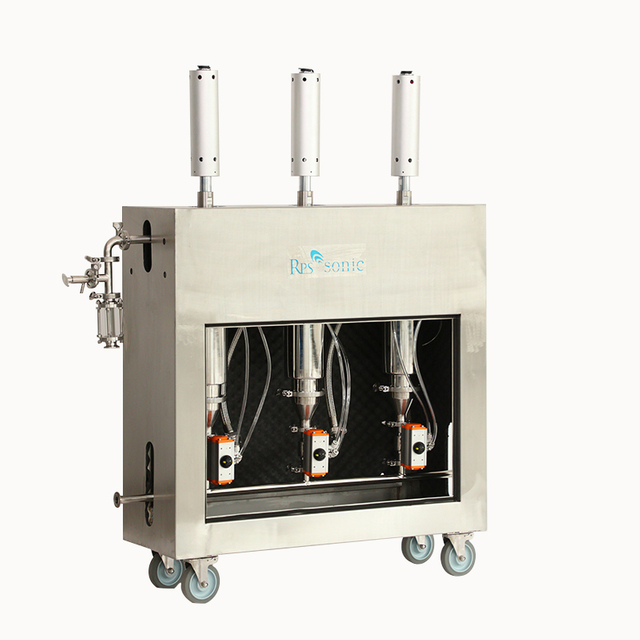
High-efficiency installation: Standalone installation equipment can be directly mounted above existing production lines without large-scale modifications, increasing production speed to 650 bottles/minute (juice) to 1600 cans/minute (aluminum cans).
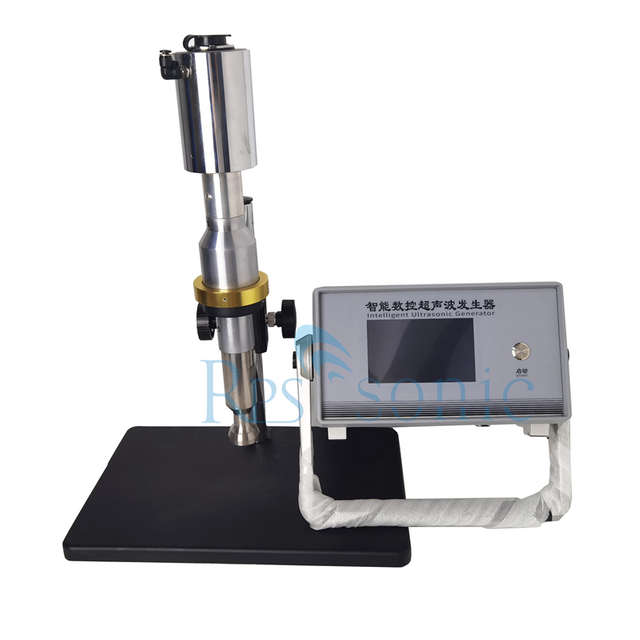
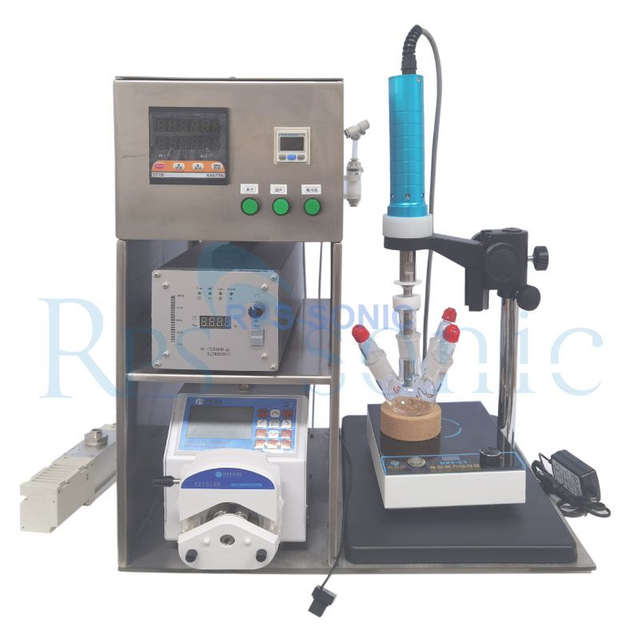
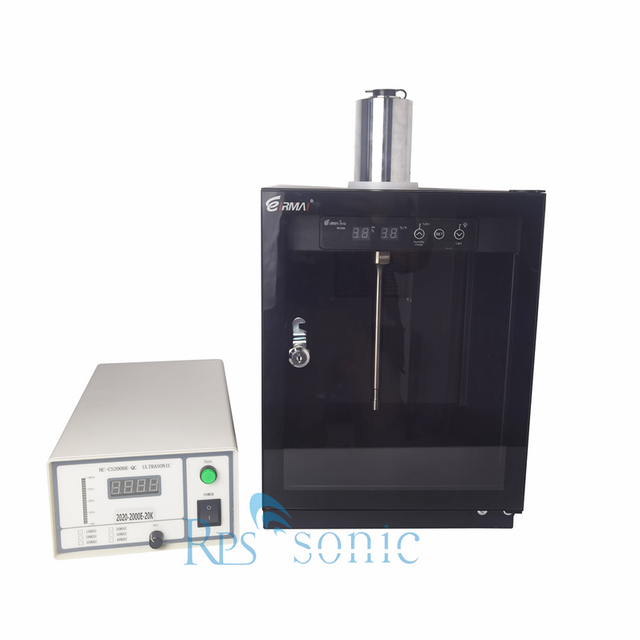
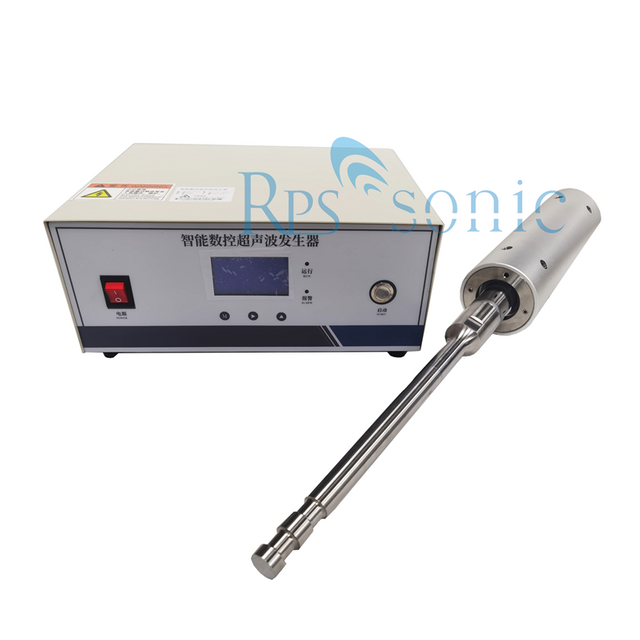
Customized solutions: RPS-SONIC also offers customized non-contact ultrasonic defoaming equipment, flexibly designed to suit specific production line needs.
When choosing the right equipment, consider the following key parameters:
Power and frequency: These determine the ability to eliminate different types of foam.
Frequency: A wide range is available, generally between 15kHz and 20kHz. Lower frequencies have stronger penetration and may be more suitable for handling thick, stable foam; higher frequencies are more effective at eliminating fine foam.
Power: Directly affects the processing effect, ranging from 500W to 3000W. Higher power usually results in faster processing speeds, but the choice should be based on the actual production line speed and foam volume.
Installation and Compatibility
Working Distance: The equipment is typically installed above the foam, with an effective working distance of a few inches (approximately 10cm), which can be flexibly adjusted according to production line space.
Contactless Installation: The equipment can be installed independently, requiring no major modifications to existing production lines.
Intelligent Control and Protection
Automatic Control: Through external PLC or sensors, it supports linkage with the production line, enabling on-demand start-up and shutdown, resulting in greater energy savings.
Operating Power Consumption: The equipment itself has very low power consumption; some models can operate continuously at as low as 100W to 200W.
In summary, ultrasonic defoaming technology, with its contactless, high-efficiency, and purely physical characteristics, provides a modern solution to foam problems in filling production lines. When selecting equipment or upgrading a production line, choosing a flexible, highly automated, and easily integrated device based on actual production line speed, product characteristics, and budget can help improve production line efficiency and product quality.