Applications of Ultrasonic Sewing Machines in The Medical Industry
Views: 102 Author: Yvonne Han Publish Time: 2026-03-13 Origin: Site
Applications of Ultrasonic Sewing Machines in The Medical Industry
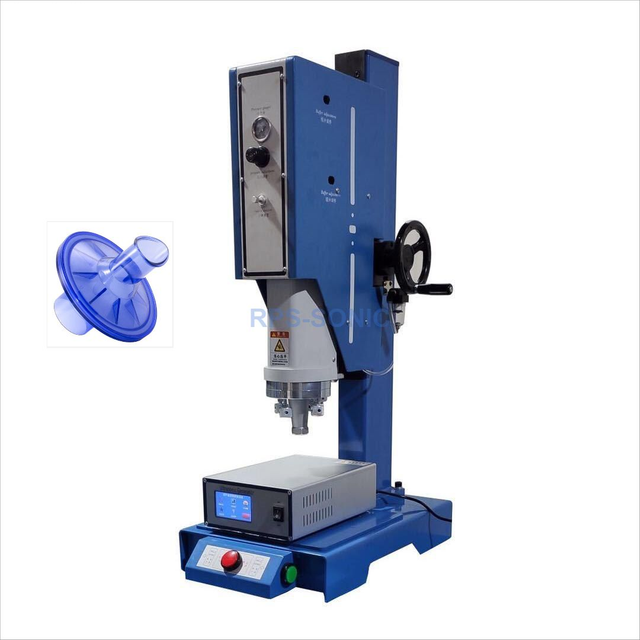
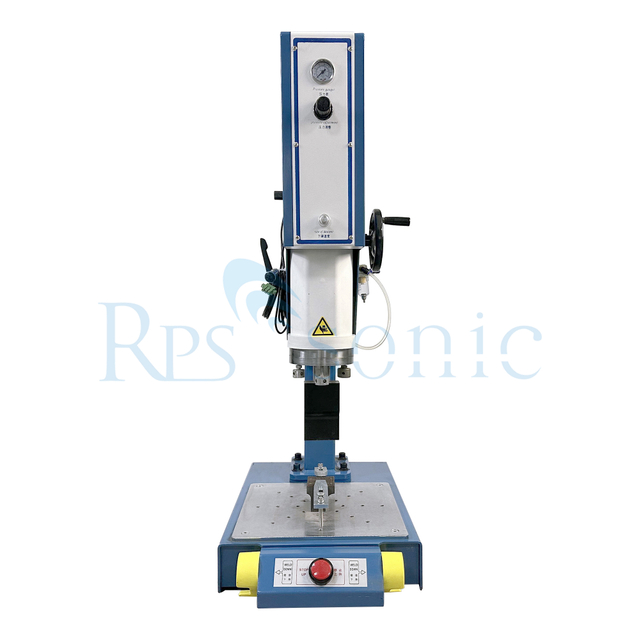
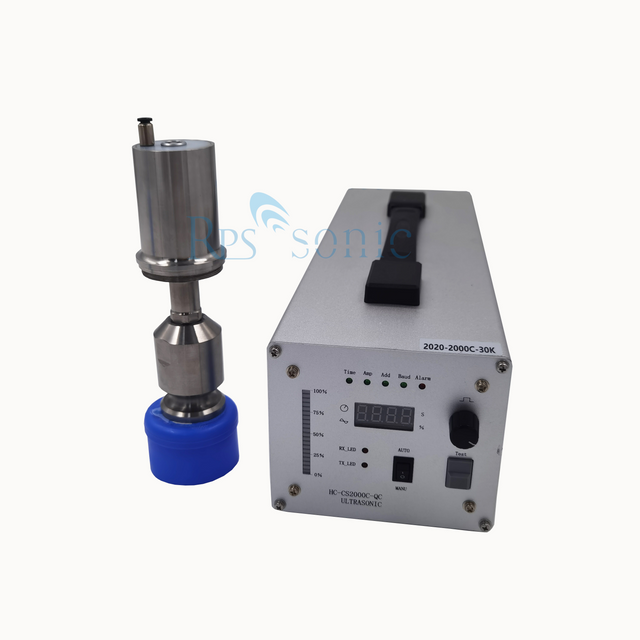
Ultrasonic sewing machines have a mature and widespread application in the medical industry. They primarily utilize high-frequency vibrations to achieve "cold welding" of medical polymer materials at the molecular level, completely replacing traditional needles and thread. The core value of this technology lies in solving the pain points of traditional sewing, such as needle holes, leakage, and potential bacterial growth, bringing higher safety and production efficiency to medical products.
Its main application areas can be divided into two categories:
* **Disposable Medical Protective Equipment and Consumables**
This is the most widespread application area for ultrasonic sewing machines, mainly utilizing their "needle-hole-free and dust-free" sealing characteristics.
* **Surgical Gowns and Isolation Gowns:** Used for welding collars, cuffs, and edging. Achieves complete sealing, preventing bacterial penetration, with high-strength, smooth, and burr-free seams, avoiding tearing gloves.
* **Masks, Surgical Caps, and Shoe Covers:** Used for ear loop welding, cap forming, and shoe cover bottom edge sewing. Fast welding speed, no glue required, environmentally friendly and safe, allowing for continuous and efficient production.
* **Infusion Tubes and Respiratory Masks:** Used for welding tubing connectors, mask gaskets, and other components. Excellent airtightness, preventing liquid leakage, and minimal heat-affected zone, ensuring no damage to material properties.
Medical Packaging: Used for sealing aseptic packaging such as dialysis bags, medication bottles, and blister packs. Rapid aseptic sealing can be achieved in cleanrooms, leaving no chemical residues and meeting medical packaging standards such as ISO 11607.
Precision Medical Devices and Components: This application requires micron-level precision and cleanliness in welding; ultrasonic technology can meet these stringent standards.
Absorbable Sutures: Used to secure the ends of sutures, preventing suture loosening. High weld strength without compromising the bioabsorbability of the material.
Catheters and Endoscopes: Used for sealing and connecting micro-components such as balloon catheters, multi-lumen tubes, and endoscopic forceps cannulas. Microscale welding with an inner diameter ≤1mm is possible, with weld precision down to the micron level, ensuring stable device function.
Hemodialysis Sets: Used for welding the outer shell and end caps. The welding process generates no contaminants, ensuring product biocompatibility and airtightness.
Miniature Sensors: Used for encapsulating sensors within devices such as blood glucose meters and electrocardiogram monitors. Enables precision welding down to 0.1mm and eliminates electromagnetic interference.
Ultrasonic sewing machines are highly favored in the medical field due to their significant advantages over traditional processes (such as needle and thread sewing, heat pressing, and adhesive bonding):
Revolutionary Safety: Achieves zero-chemical-addition, pinhole-free sealed welding, eliminating the risk of microbial penetration and chemical residues, fundamentally ensuring the safety of both medical staff and patients.
High-Quality Manufacturing: Smooth, soft, and burr-free seams ensure comfortable wear and prevent damage to other instruments or potential infection. High weld strength, approaching even the strength of the material itself.
High Production Efficiency: The welding process can be completed in just 0.3 seconds to a few seconds, far exceeding the speed of traditional sewing, and eliminates the need for consumables such as needles, threads, and glue, reducing overall costs by approximately 30%.
Precision and controllable: Welding accuracy can reach 0.01mm, with an extremely small heat-affected zone (<0.1mm), and it can perfectly handle various materials from 0.03mm ultra-thin non-woven fabrics to 5mm thick medical components.