Views: 102 Author: Site Editor Publish Time: 2026-06-04 Origin: Site
What Is Ultrasonic Atomization Technology?
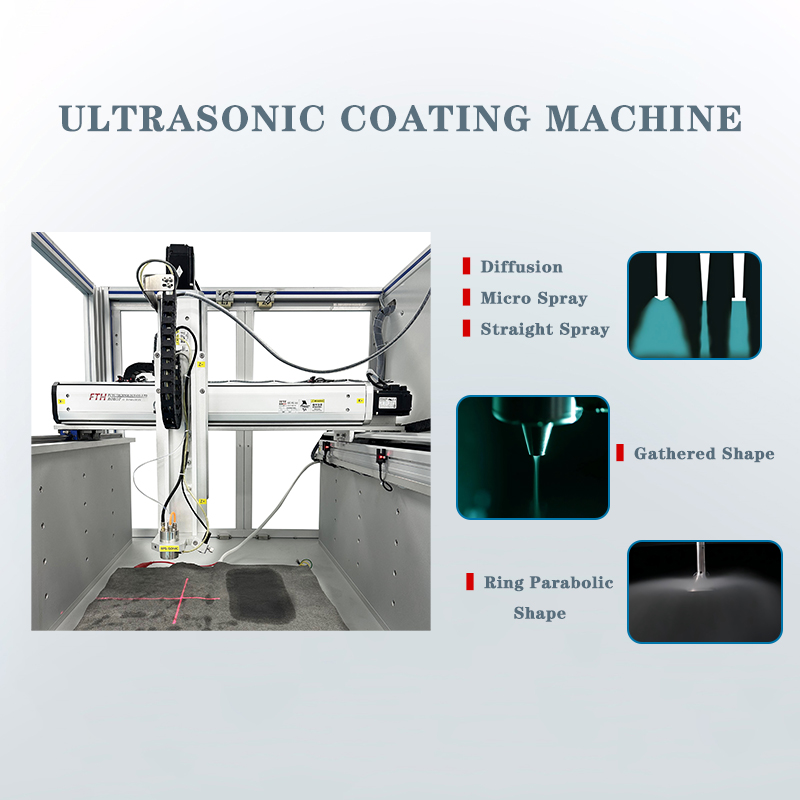
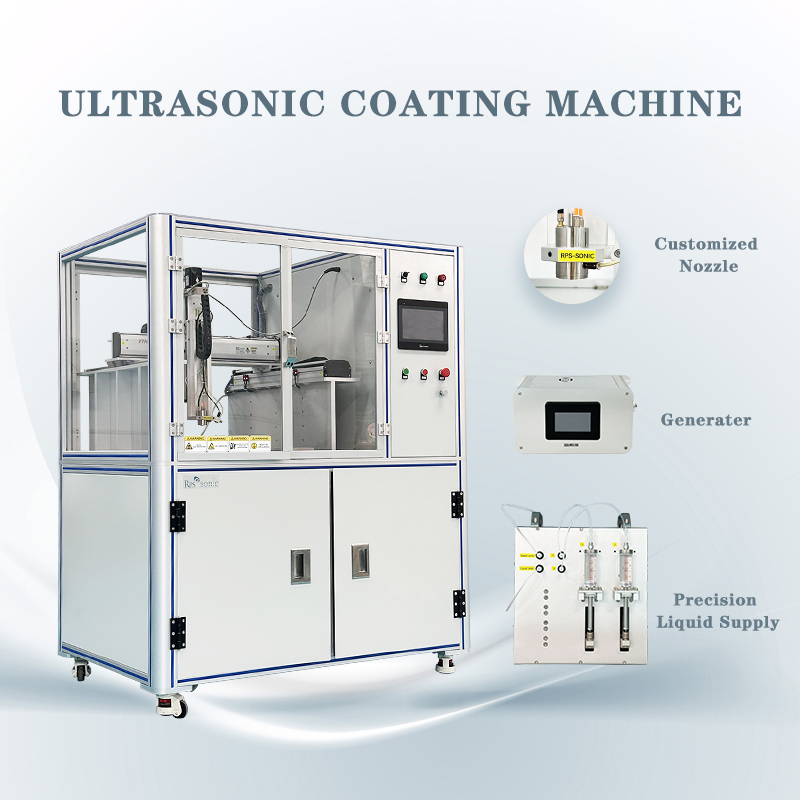
Ultrasonic atomization technology has expanded atomization from the traditional "water addition" to numerous fields such as industrial manufacturing and healthcare. Its core value lies in achieving precise atomization, spraying, and micronization of fluids.
The following are its specific applications in several key areas:
Healthcare:
Drug Delivery: Using atomizing inhalation devices, liquid medication is atomized into aerosol particles with a diameter of 0.01–10 μm. After inhalation, the drug directly reaches the lesion, resulting in rapid onset of action and high local drug concentration. This is particularly crucial in pediatrics, respiratory medicine, intensive care, and anesthesia.
Medical Device Coating: Used to prepare nanoscale drug coatings on high-end medical devices such as cardiovascular stents and drug-eluting balloons, enabling precise controlled drug release.
Industrial Manufacturing: In today's pursuit of precision manufacturing and green production, ultrasonic atomization technology has become a key technology in many high-end manufacturing processes, especially in cutting-edge fields such as energy and electronics.
Energy and Electronics Core Processes:
New Energy Batteries: Used to prepare catalyst coating membranes (CCMs) and solid electrolyte films for fuel cells, proton exchange membranes, etc. This technology enables highly consistent coating with low platinum loading and can be applied to lithium-ion battery electrode replenishment processes.
Photovoltaic field: In the manufacture of perovskite and thin-film solar cells, it is used to prepare charge transport layers and electrode buffer layers, increasing the utilization rate of expensive precursor materials to over 80%.
Semiconductor manufacturing: Used in photoresist and flux spraying in wafer manufacturing, it is a key process for the preparation of nanoscale thin films.
Advanced materials preparation: Through ultrasonic spray pyrolysis technology, metal oxides and composite nanoparticles with precise and controllable morphologies can be synthesized using metal salts in aqueous solutions as raw materials. It can also be used to prepare or uniformly disperse nanomaterials such as graphene.
Surface treatment and cleaning: The micron-sized water mist generated by ultrasonic atomizers can effectively settle dust in the air, achieving humidification and dust removal in workshops.
Textiles and printing: Used for functional coatings on fabrics (such as waterproofing and antibacterial properties) and the fabrication of fine printed electronic circuits.