What Is An Ultrasonic Spray Pyrolysis System?
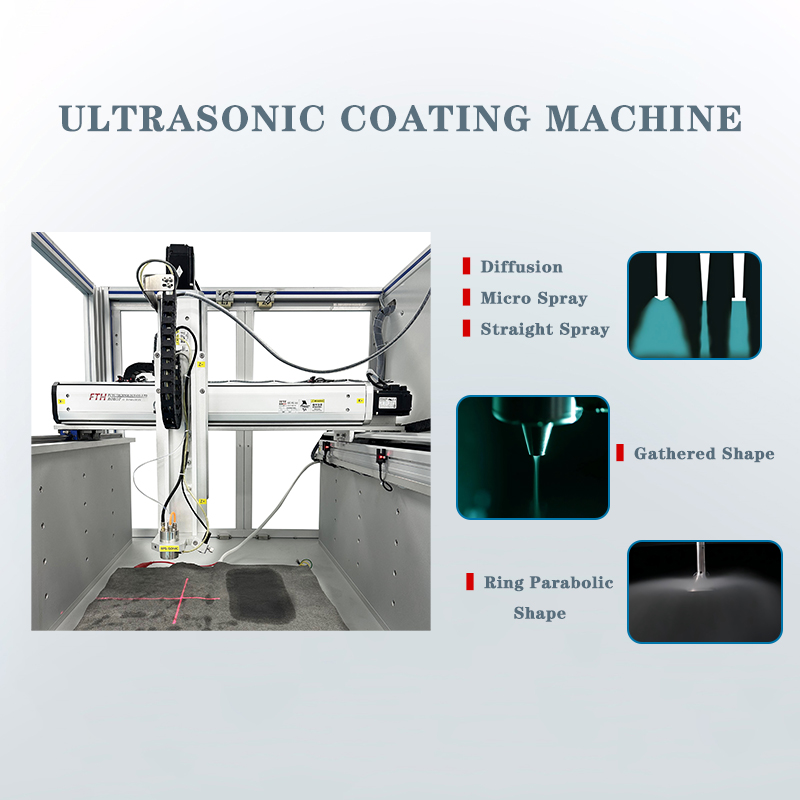
The ultrasonic spray pyrolysis system is a material preparation technology based on aerosol technology, which combines the two core processes of ultrasonic atomization and high-temperature pyrolysis.
This technology is regarded as a cost-effective and adaptable method for nanoparticle synthesis and thin film deposition. The core idea is: a liquid precursor containing the chemical composition of the target product is atomized into tiny droplets through ultrasonic waves, and then sent into the high-temperature reaction zone by a carrier gas. The droplets undergo a series of physical and chemical changes such as solvent evaporation, solute decomposition, and sintering in a very short time, and finally form a solid product.
Working principle and core process
The entire process of ultrasonic spray pyrolysis is a continuous closed-loop process, which usually includes the following four core stages:
Ultrasonic atomization: The high-frequency oscillation (cavitation effect) of ultrasonic waves is used to break the precursor solution into micron or even nanometer droplets of uniform size. The size of the droplets can be precisely controlled by ultrasonic frequency.
Carrier gas transportation: Use inert gas (such as nitrogen, argon) or air as the carrier gas to send the droplets (aerosol) generated by atomization into the high-temperature reaction furnace at a uniform speed. The stable air flow can prevent the droplets from agglomerating.
High temperature pyrolysis: This is the core reaction stage. After the droplets enter the high-temperature area (the temperature range can be from 300-500°C for film preparation to 1200°C for powder synthesis), a series of reactions will occur instantly:
Solvent evaporation: The water or organic solvent in the droplets quickly vaporizes.
Solute precipitation and decomposition: Dissolved metal salts and other solutes precipitate due to supersaturation, and undergo thermal decomposition, oxidation or reduction reactions at high temperatures.
Sintering molding: The decomposed products are further sintered to form final solid particles.
Gas-solid separation and collection: The solid powder generated by the reaction enters the collection system (such as a high-voltage electrostatic nanoparticle collector) with the gas flow, and is collected after being separated from the gas.
Main components of the system
A complete ultrasonic spray pyrolysis system usually contains the following key parts:
Precursor solution supply system: Precisely controls the rate of solution delivery to the atomizer.
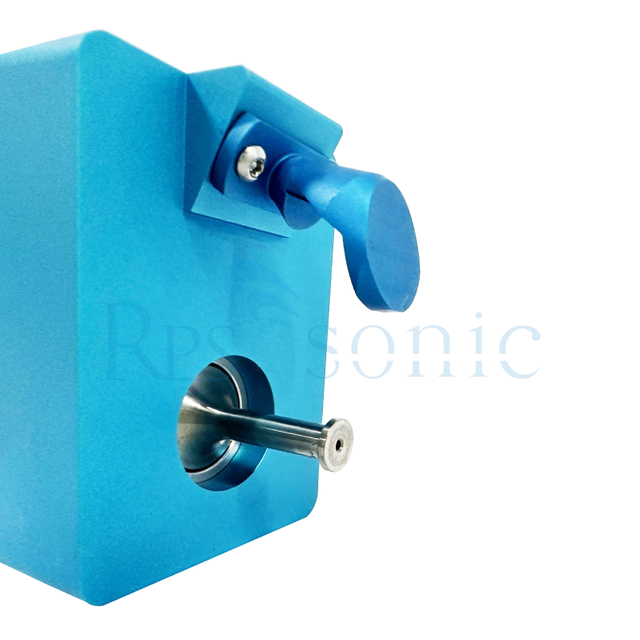
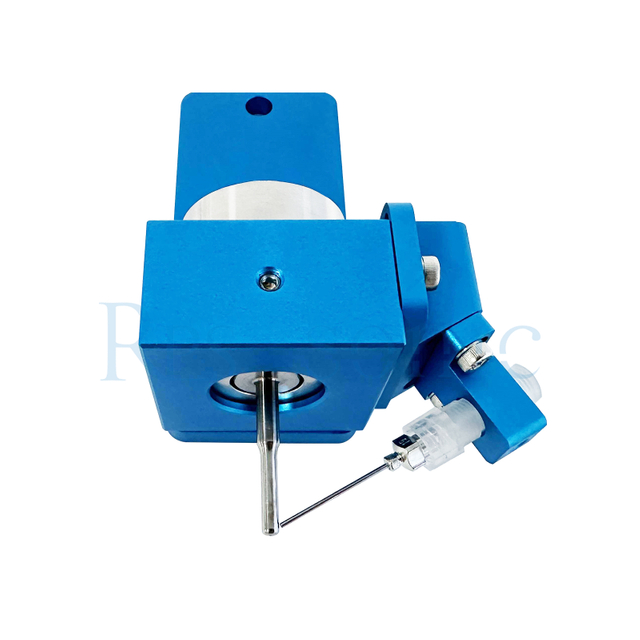
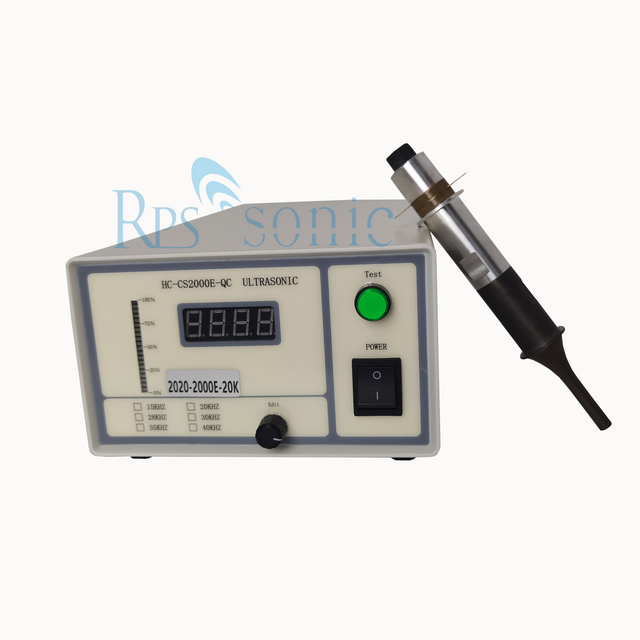
Ultrasonic atomization device: the core of the system, responsible for producing uniform fine droplets. Depending on the application, nozzles with different frequencies (such as 40KHz, 1.7MHz or even 2.5MHz) and materials are available.
Carrier gas control system: Precisely regulate the type, flow and pressure of carrier gas to stably deliver aerosols.
High-temperature reaction furnace: Provides a precise and controllable high-temperature environment, usually a tube furnace. Some advanced systems will use multi-temperature zone designs to achieve finer temperature control.
Product collection system: Efficiently collect the generated powder or form a thin film directly on the heated substrate.
Key process parameters
The final shape, size and performance of the product are affected by multiple process parameters, including:
Ultrasonic frequency and power: determine the size of the initial droplet.
Precursor solution concentration and composition: determine the chemical composition and final particle size of the product.
Pyrolysis temperature and time: affect the integrity of the reaction and the crystal form and morphology of the product.
Carrier gas flow rate: affects the residence time and collection efficiency of droplets in the reaction zone.
Core technical advantages
Compared with traditional solid-phase grinding, liquid-phase precipitation and other powdering or coating processes, ultrasonic spray pyrolysis technology has significant advantages:
Excellent product quality: the prepared powder has high sphericity (up to more than 90%), narrow particle size distribution, and very little agglomeration. Since the precursors are uniformly mixed in the liquid phase, the stoichiometric ratio can be precisely controlled and component segregation can be effectively avoided.
Streamlined process flow: The technology is highly integrated and powder molding can be completed in one step without the need for subsequent complex processes such as grinding and screening, significantly shortening the production cycle.
Wide applicability: suitable for almost all soluble metal salts (such as nitrates, chlorides, sulfates, etc.), and can prepare powders or films of metals, oxides and composite materials.
Green and environmentally friendly: closed operation throughout the process, no dust pollution, high raw material utilization, minimal waste liquid and waste residue emissions, and relatively low energy consumption.
High cost-effectiveness: Equipment and operating costs are relatively low, especially when used for large-area thin film preparation, the cost is much lower than processes such as vacuum evaporation and chemical vapor deposition (CVD).
Main application areas
Thanks to the above advantages, this technology has been widely used in many frontier fields:
New energy materials: preparation of cathode and anode materials for lithium-ion batteries, as well as key components of fuel cells and solar cells.
Electronic information: Preparation of transparent conductive oxide (TCO) films (such as ITO, AZO), semiconductor films, dielectric materials and conductive pastes.
Advanced ceramics: Preparation of high-precision ceramic materials such as high-temperature superconducting ceramic powder, piezoelectric ceramics, and structural ceramics.
Catalysis and environmental protection: production of metal oxide catalysts, composite catalytic materials, etc. with high specific surface area.
Biomedicine: used to prepare functional nanomaterials such as bioceramics and drug carriers.
Summary
The ultrasonic spray pyrolysis system is a platform technology that cleverly combines ultrasonic atomization and high-temperature pyrolysis. It can produce high-quality micro-nano powders and thin film materials in a low-cost and high-efficiency manner, so it plays an increasingly important role in cutting-edge fields such as new energy, electronic information, and advanced ceramics.