What Are The Applications of Ultrasonic Spray Pyrolysis Systems?
Views: 100 Author: Site Editor Publish Time: 2026-08-07 Origin: Site
What Are The Applications of Ultrasonic Spray Pyrolysis Systems?
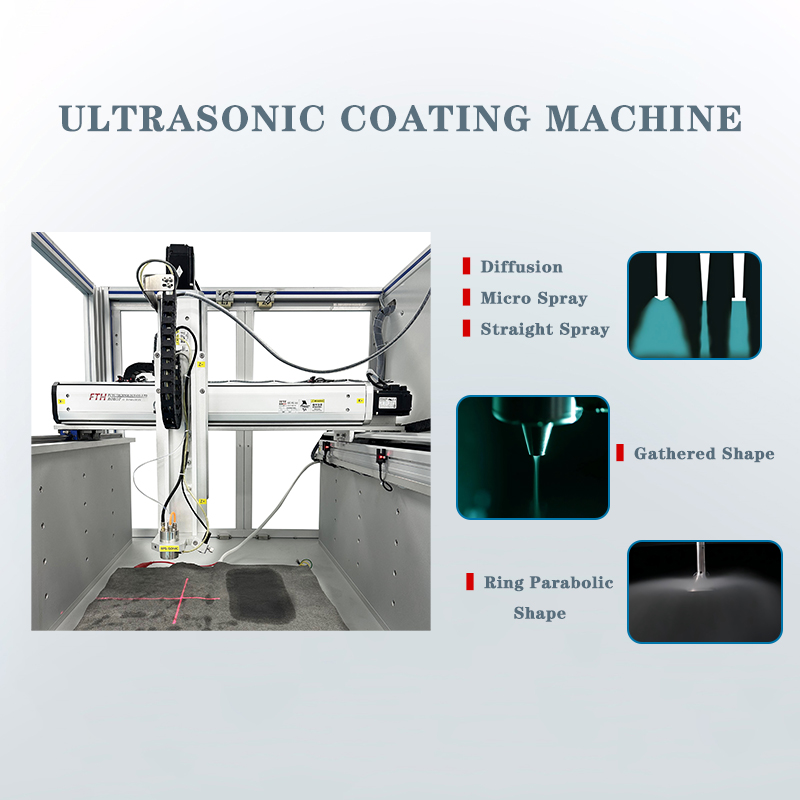
The Ultrasonic Spray Pyrolysis (USP) system is a material preparation technology based on an aerosol process. It utilizes ultrasonic waves to atomize a precursor solution into tiny droplets—ranging from the micrometer to the nanometer scale—which are then transported by a carrier gas into a high-temperature furnace. There, physical and chemical processes such as solvent evaporation, thermal decomposition of solutes, and sintering occur almost instantaneously, ultimately yielding ultrafine powders or thin films.
The core advantage of this technology lies in its ability to precisely control the chemical composition, morphology, and uniformity of the products; consequently, it finds widespread application, particularly in the following fields:
Energy and Environment
This is one of the most active areas of application for USP technology.
Solar Cells: Used to prepare various key semiconductor thin-film materials, serving as a core technology for second-generation solar cells. Examples include films for perovskite solar cells, as well as materials like SnO and SnS used in photovoltaic devices across different generations.
Photoelectrochemical Water Splitting for Hydrogen Production: Used to fabricate high-efficiency photoanode films (such as BiVO₄/bismuth vanadate) that utilize solar energy to split water into hydrogen and oxygen, thereby enabling clean energy conversion.
Solid Oxide Fuel Cells (SOFC): Used to prepare critical electrolyte and electrode materials for these cells.
Environmental Remediation: Used to produce photocatalytic materials for degrading organic pollutants in air and water. For instance, research has utilized this method to synthesize unique nanostructures designed for the catalytic degradation of organic pollutants.
Electronics and Optoelectronics
USP technology also plays a significant role in the fabrication of high-performance electronic and optoelectronic devices.
Transparent Conductive Films: Used to produce transparent electrodes required for touch screens and displays, such as indium tin oxide (ITO) films, silver nanowires, carbon nanotubes, and graphene-based transparent conductive films.
Sensors:Used to fabricate metal-oxide semiconductor thin films that exhibit high selectivity and sensitivity toward specific gases (such as volatile organic compounds like acetone).
Optical Coatings: Used to apply anti-reflective (AR) films, as well as hydrophilic or hydrophobic coatings, onto substrates such as glass. Advanced Ceramics and Superconducting Materials
USP is ideally suited for producing high-purity, highly reactive advanced ceramic powders.
High-temperature superconducting ceramics: Capable of producing superconducting ceramic powders with uniform compositional distribution and precise stoichiometry. The use of liquid-phase precursors ensures molecular-level mixing of all components.
Multi-component metal oxides: Widely used to produce various functional ceramic powders of multi-component metal oxides at the nano- and sub-micron scales.
Catalysis and Chemistry
Catalysts: Production of nanocatalysts for various chemical reactions.
Lithium-ion battery cathode materials: Production of cathode materials with specific morphologies and excellent electrochemical performance.
Luminescent materials: Suitable for producing phosphors, LED luminescent materials, and more.
Biomedical Applications
Biomedical coatings: Application of biocompatible, functional coatings onto medical devices or implants.
General Materials Preparation
Nanopowders: Production of various ultrafine powders, including metals, alloys, and oxides.
Composite powders: Particularly well-suited for producing multi-component composite powder materials.
Biomass-derived carbon materials: Production of carbon nanomaterials using biomass precursors.
In summary, the ultrasonic spray pyrolysis (USP) system is a technologically advanced materials preparation platform with a wide range of applications. Thanks to its outstanding advantages—such as precise control over material composition and morphology, the ability to produce high-purity, uniform powders and thin films, and ease of scale-up—the system plays a pivotal role across the entire spectrum from laboratory R&D to industrial-scale production.