What are the applications of ultrasonic atomization technology in the new energy industry?
Ultrasonic atomization spraying technology, with its core advantages of high precision, high uniformity, high material utilization, and non-contact, gentle process, is becoming a key force driving the upgrading of the new energy industry. This technology uses high-frequency ultrasound to atomize liquids into uniform droplets at the micron or even nanometer scale, which are then precisely deposited onto the substrate surface using a low-pressure carrier gas. From lithium-ion batteries to hydrogen fuel cells, and to next-generation solar cells, ultrasonic atomization spraying is comprehensively empowering new energy manufacturing.
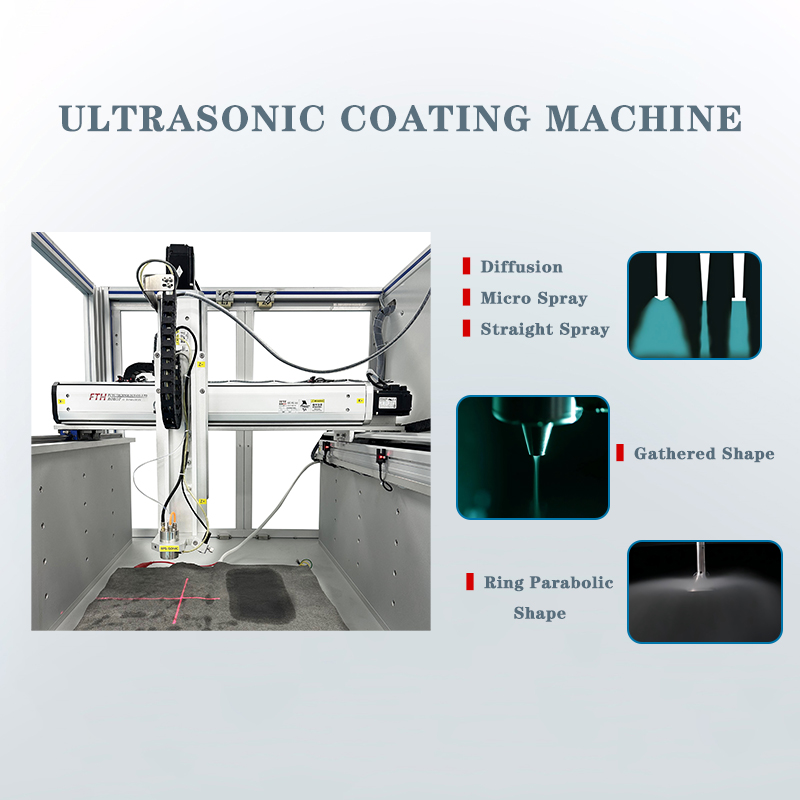
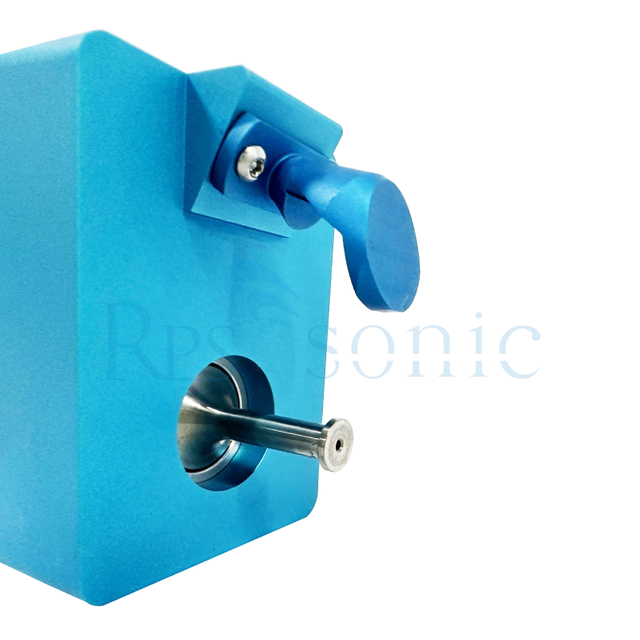
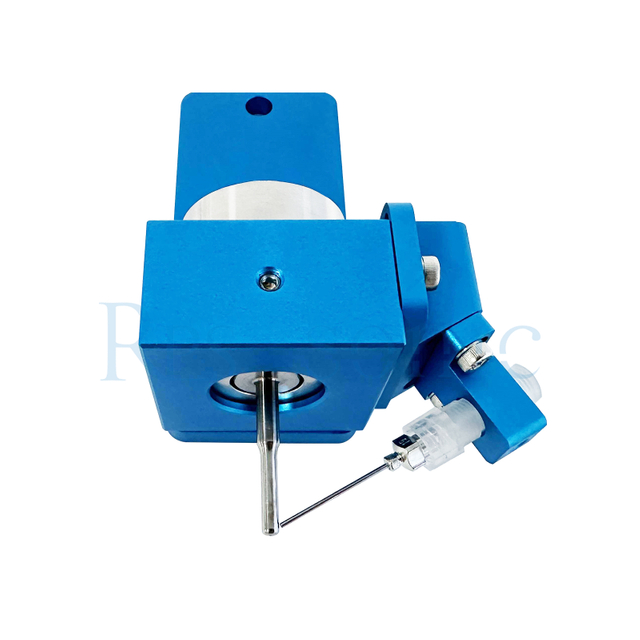
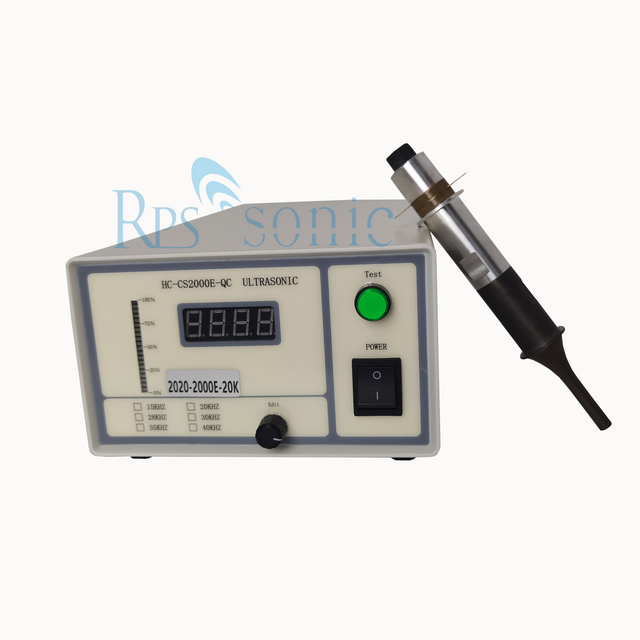
Core Technology Principle: The core of the ultrasonic atomization spraying system is the piezoelectric transducer. When a high-frequency current (typically 20kHz-120kHz) is applied to the system, the transducer generates high-frequency mechanical vibration. This vibration forms a standing wave in the liquid film at the nozzle, "breaking" the liquid into micron-sized droplets with a concentrated size distribution (droplet diameter typically between 1-50μm). The atomized droplets are directionally transported to the substrate surface by a low-speed carrier gas (such as nitrogen or dry air), where they dry and solidify to form a dense and uniform functional coating. Unlike traditional spraying methods that rely on high pressure or mechanical force, this process requires no high pressure or severe impact, making it a non-contact precision coating process.
Core Advantages: Ultrasonic atomization spraying technology exhibits significant advantages in multiple dimensions in new energy manufacturing:
Excellent Coating Uniformity: The atomized droplet size distribution is narrow, resulting in high coating thickness uniformity, effectively avoiding defects common in traditional processes such as sagging, dripping, and pinholes. Compared to traditional pneumatic two-fluid spraying, ultrasonic atomization spraying achieves better uniformity, thinner coating thickness, and higher precision.
Extremely High Material Utilization: The atomization process generates almost no splash waste, achieving a material utilization rate as high as 85%-95%. For precious metal catalysts such as platinum and high-value battery materials, this advantage directly translates into significant cost savings.
Ultra-Thin Coatings Achievable: Ultrasonic spraying can easily produce extremely thin (≤10μm or even 20nm) and uniform coatings. Coating thickness can be accurate to the nanometer level, which is crucial for the production of battery electrodes, photovoltaic thin films, and other components in the new energy industry that are extremely sensitive to coating thickness.
Non-contact process, protecting substrates: Low-speed carrier gas delivery of droplets, without severe impact, effectively protects fragile substrates such as proton exchange membranes, ultra-thin electrodes, and flexible diaphragms from damage.
Green and environmentally friendly: No high-pressure air is required, reducing organic solvent evaporation (VOC emissions) by 30%-50%, aligning with the low-carbon manufacturing trend in the new energy industry.
Low maintenance costs: The nozzle-less design of the ultrasonic nozzle fundamentally avoids the clogging problems of traditional nozzles, reducing downtime for cleaning.
Core Applications in the New Energy Field
I. Lithium-ion Battery Manufacturing
Ultrasonic spraying technology has been deeply applied in multiple stages of lithium-ion battery manufacturing.
1. Electrode Preparation (Positive/Negative Electrode)
An electrode sheet is formed by uniformly spraying a slurry of active materials (such as lithium cobalt oxide, lithium iron phosphate, high-nickel ternary, graphite, etc.) mixed with conductive agents and binders onto a metal foil current collector. Ultrasonic spraying can achieve ultra-thin and uniform electrode coatings, avoiding the "edge effect" or cracking problems common in traditional coatings, and improving the consistency of electrode thickness. High-precision coatings increase the contact area between the electrode and the electrolyte, improving ion transport efficiency, thereby increasing the battery's charge and discharge speed and overall performance. Simultaneously, due to the good coating uniformity, battery consistency is ensured, effectively reducing the problem of shortened overall lifespan caused by differences in individual cell performance.
2. Separator Functional Coating
As the "safety barrier" of lithium batteries, the separator must possess high temperature resistance, high permeability, and excellent ion conductivity. Ultrasonic spraying can uniformly coat PP/PE-based separators with ceramic coatings (such as Al₂O₃ nanoparticles) or polymer coatings. The ceramic coating can withstand temperatures >200℃, significantly enhancing the separator's heat resistance, electrolyte wettability, and mechanical strength. This technology can also precisely control the coating's porosity (typically >40%) and pore size distribution (<1μm), balancing ion conductivity and dendrite blocking ability. Improved coating effectively suppresses separator thermal shrinkage, preventing internal short circuits and enhancing battery safety.
3. Solid-State Batteries
Ultrasonic spraying is a crucial process for fabricating key components of solid-state batteries. It can be used to spray solid electrolyte layers (such as LLZO) to achieve ultra-thin, defect-free coatings. Its low-temperature processing avoids material decomposition caused by high-temperature sintering, making it suitable for temperature-sensitive solid electrolyte film formation. Simultaneously, spraying a buffer layer at the electrode/electrolyte interface effectively reduces interfacial impedance and improves full-cell cycle stability. Ultrasonic spraying significantly reduces interfacial resistance and improves lithium-ion transport dynamics by improving interfacial contact in solid-state batteries. 4. Other Functional Coatings
Ultrasonic spraying can also be used for tab protection coatings (spraying electrolyte-resistant polymer coatings such as PVDF and PTFE onto aluminum and copper tabs to prevent corrosion and reduce the rate of internal resistance growth), battery casing anti-corrosion coatings (improving salt spray and damp heat resistance), current collector conductive layers, and spraying onto flexible substrates such as PET/PI, suitable for pouch cells and ultra-thin cell fabrication.
II. Fuel Cell Manufacturing
The membrane electrode assembly (MEA) is the core of a fuel cell, and its fabrication quality directly determines the cell's power density, stability, and lifespan. Ultrasonic spraying technology plays a crucial role in fuel cell manufacturing.
1. Catalyst Coated Membrane (CCM) Preparation
Ultrasonic spraying atomizes catalyst slurry (such as platinum-carbon catalyst) into tiny droplets, precisely depositing them onto the surface of a proton exchange membrane (PEM) or gas diffusion layer (GDL) substrate to form a dense and uniform catalyst layer. The uniform droplet size distribution ensures a highly consistent catalyst distribution. Ultrasonic spraying systems can produce highly durable, uniform carbon-based catalyst coatings during electrolysis in fuel cells and proton exchange membrane (PEM) electrolyzers (such as Nafion) without causing membrane swelling or deformation. A unique vacuum heating system keeps the proton exchange membrane well-fixed and stretched, preventing swelling during spraying.
2. Significantly Improved Precious Metal Catalyst Utilization
Ultrasonic spraying technology has proven to achieve extremely high platinum utilization rates, up to 90%, in MEA manufacturing. By reducing over-spraying, expensive catalyst slurries can be saved, reducing material consumption by up to 50%. The continuous ultrasonic vibrations inside the ultrasonic nozzle also disperse and break down agglomerated suspension particles, thereby maximizing the utilization of functional particles. This technology is also suitable for spraying polymer solutions such as PTFE binders onto GDLs (such as carbon paper) to enhance hydrophilicity or hydrophobicity during electrolysis.
3. Gradient Deposition and Multi-Nozzle Scalability
Through dual-nozzle ultrasonic spraying technology, Pt/C catalysts and Nafion ionomers can be deposited independently, achieving precise control over ionomer distribution. A spraying system equipped with four ultrasonic nozzle units can provide a catalyst spraying rate of approximately 0.8 square meters per hour, equivalent to an annual production of 120,000 membrane electrode assemblies (MEAs) (calculated at 250 cm²/electrode). The ultrasonic dispersion and supply system can continuously disperse and deliver catalyst slurry 24/7.
4. Solid Oxide Fuel Cells (SOFCs) and Hydrogen Production via Water Electrolysis
Ultrasonic spraying technology also demonstrates significant advantages in the preparation of electrolyte and electrode layers in SOFCs. In hydrogen production via water electrolysis, ultrasonic spraying equipment is used for coating hydrogen electrolyzers. Ultrasonic spraying can be used to uniformly coat catalyst materials (such as platinum and iridium) onto the electrodes to improve electrolysis efficiency. This technology has been widely applied in key processes such as proton exchange membrane fuel cell membrane electrode preparation, water electrolysis hydrogen production catalyst spraying and transfer, and carbon paper diffusion layer Nafion solution spraying.
III. Solar Cell Manufacturing
Ultrasonic spraying technology is becoming a key means to improve efficiency and reduce costs in the field of solar cells -35.
1. Perovskite Solar Cells
Perovskite solar cells are considered an outstanding representative of the next generation of inexpensive solar cell technology. While spin coating performs excellently in the laboratory, it is only suitable for small-area device fabrication and not for large-area devices. Ultrasonic spraying technology can atomize the perovskite precursor solution into small droplets, achieving uniform coating at low temperatures. The droplets obtained by this method are uniform in size and have low initial kinetic energy, avoiding the "splattering" phenomenon and effectively reducing material waste, making it a very suitable technology for large-area thin film fabrication. Current research has verified the compatibility of ultrasonic spraying on different substrate areas and types: achieving an efficiency of 18.53% on small-area rigid devices and over 16% device efficiency in small-area flexible perovskite solar cells.
2. Thin-Film Solar Cells
Ultrasonic spraying technology has proven successful in depositing various functional coatings for thin-film solar cells, including antireflective layers, transparent conductive oxide (TCO) coatings, buffer layers, PEDOT coatings, and active layers. OPV, CIGS, CdTe, CZT, perovskite, and DSC can be deposited using ultrasonic wet spraying technology after being prepared into solutions or suspensions. Using only a fraction of the cost of CVD and sputtering equipment, ultrasonic atomizing nozzle systems significantly reduce the cost of thin-film solar cells while ensuring high cell conversion efficiency. Antireflective coatings can improve the power generation efficiency of solar cells by 3%-4%.
3. Transparent Conductive Oxide (TCO) Coatings
TCO layers are typically prepared using ultrasonic spray pyrolysis technology. Sprayable materials include ITO, ZnO (doped with Ga, Al, In), CdO, SnO₂, carbon nanotubes, silver nanowires, and graphene. Ultrasonic nozzles offer significant advantages in depositing nanomaterials due to their ability to disperse particles in suspension during atomization.
III. Solar Cell Manufacturing
Ultrasonic spraying technology is becoming a key method for improving efficiency and reducing costs in the field of solar cells.
1. Perovskite Solar Cells
Perovskite solar cells are considered outstanding representatives of next-generation low-cost solar cell technology. While spin coating performs excellently in the laboratory, it is only suitable for small-area device fabrication and not for large-area devices. Ultrasonic spraying technology can atomize perovskite precursor solutions into small droplets, achieving uniform coating at low temperatures. This method produces droplets of uniform size and low initial kinetic energy, avoiding "splattering" and effectively reducing material waste, making it a very suitable technology for large-area thin-film fabrication. Current research has verified the compatibility of ultrasonic spraying on different substrate areas and types: achieving an efficiency of 18.53% on small-area rigid devices and over 16% device efficiency in small-area flexible perovskite solar cells.
2. Thin-Film Solar Cells
Ultrasonic spraying technology has proven successful in depositing various functional coatings for thin-film solar cells, including antireflective layers, transparent conductive oxide (TCO) coatings, buffer layers, PEDOT coatings, and active layers. OPV, CIGS, CdTe, CZT, perovskite, and DSC can be deposited using ultrasonic wet spraying technology after being prepared into solutions or suspensions. Using only a fraction of the cost of CVD and sputtering equipment, ultrasonic atomizing nozzle systems significantly reduce the cost of thin-film solar cells while ensuring high cell conversion efficiency. Antireflective coatings can improve the power generation efficiency of solar cells by 3%-4%.
3. Transparent Conductive Oxide (TCO) Coatings
TCO layers are typically prepared using ultrasonic spray pyrolysis technology. Sprayable materials include ITO, ZnO (doped with Ga, Al, In), CdO, SnO₂, carbon nanotubes, silver nanowires, and graphene. Ultrasonic nozzles offer significant advantages in depositing these nanomaterials due to their ability to disperse particles in the suspension during atomization.
In summary, ultrasonic atomization spraying technology, with its high precision, high uniformity, high material utilization, and friendliness to fragile substrates, has become an indispensable key process in the new energy manufacturing field. From electrode and membrane coating for lithium-ion batteries to the precision preparation of catalyst layers for fuel cells, the deposition of functional layers in solar cells, and emerging fields such as supercapacitors and water electrolysis for hydrogen production, this technology is comprehensively driving the new energy industry towards greater efficiency, precision, and sustainability. With continuous technological iteration and further cost optimization, ultrasonic atomization spraying will play an even more important role in the global energy transition.