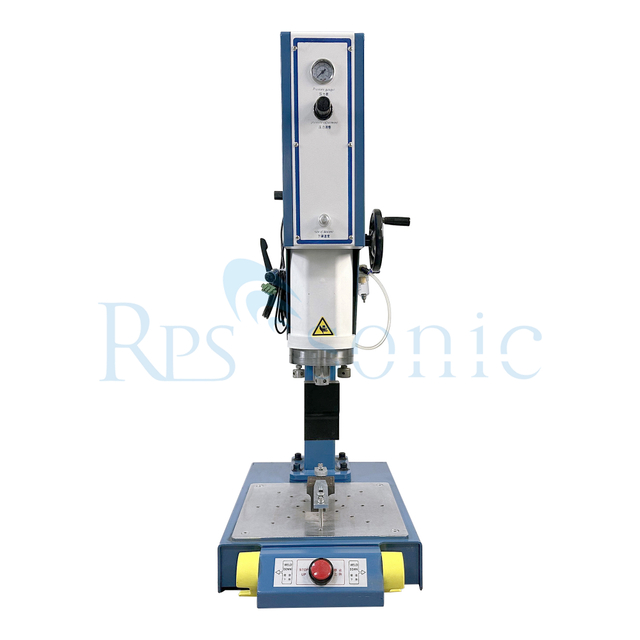
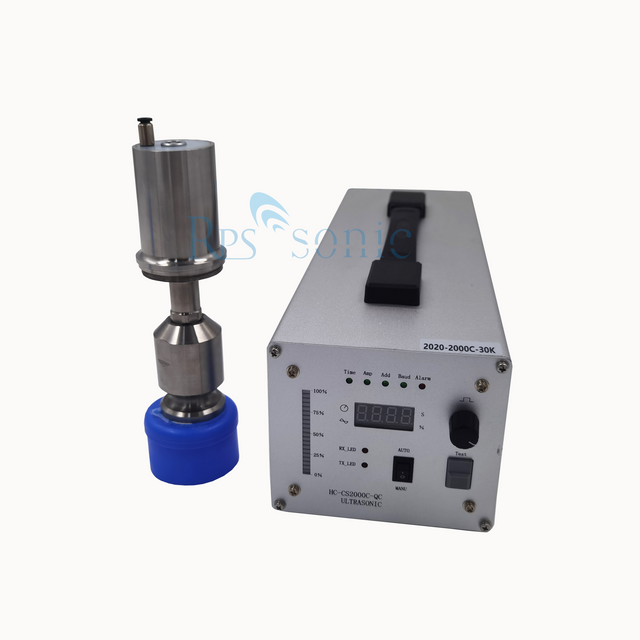
Ultrasonic Plastic Tube Sealing System Welding Machine: Efficient And Reliable Plastic Tube Sealing Technology
1. Introduction to Ultrasonic Plastic Tube Sealing
In the cosmetics, pharmaceutical, personal care, and food packaging industries, plastic tube sealing plays an important role in ensuring product quality, packaging integrity, and production efficiency.
The Ultrasonic Plastic Tube Sealing System Welding Machine is an advanced solution designed for sealing thermoplastic tubes through high-frequency ultrasonic vibration. Unlike conventional heat sealing methods, ultrasonic sealing uses mechanical vibration to generate localized frictional heat at the contact interface, allowing compatible plastic materials to melt and bond together under controlled pressure.
This technology produces strong, uniform, and aesthetically pleasing seals while reducing the need for external heating elements and long preheating periods.
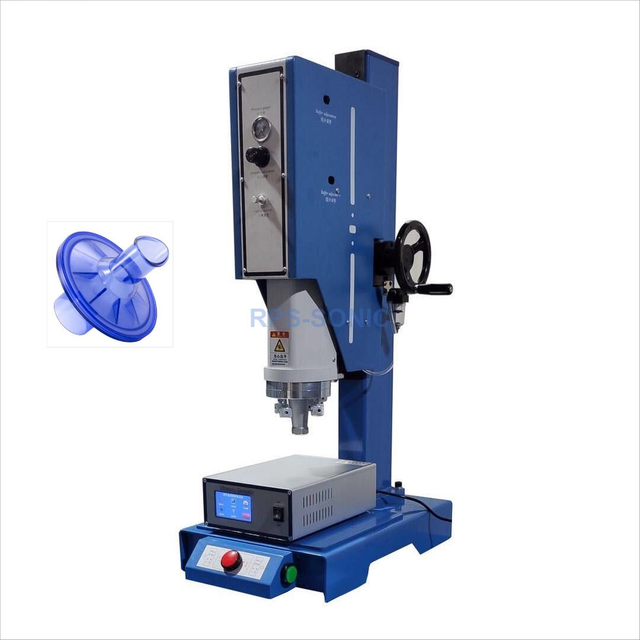
With its compact structure, stable ultrasonic output, and adjustable welding parameters, the ultrasonic tube sealing machine is suitable for standalone operation as well as integration into automated filling and packaging production lines.
2. How Does an Ultrasonic Plastic Tube Sealing Machine Work?
The ultrasonic tube sealing process is based on high-frequency mechanical vibration and localized heat generation.
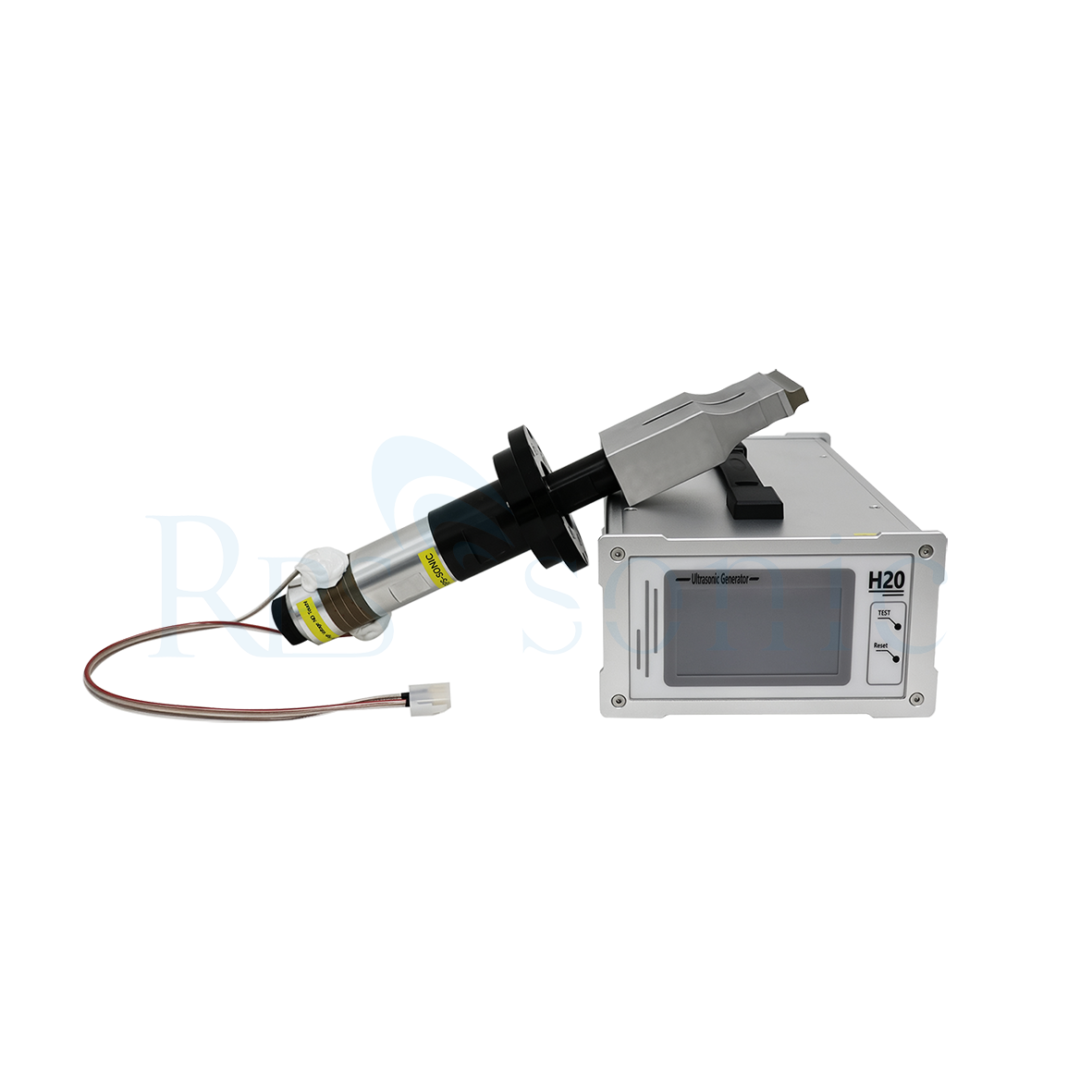
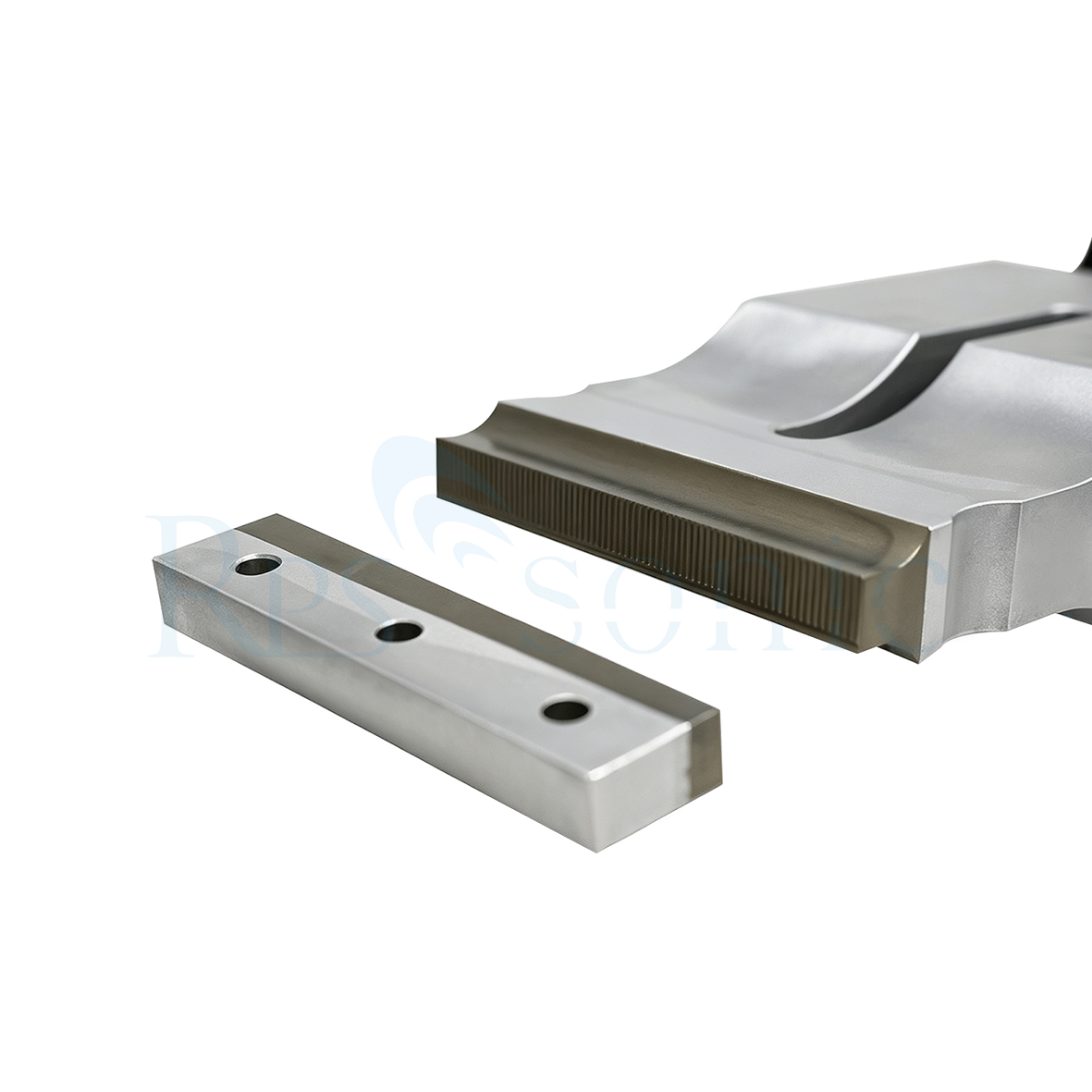
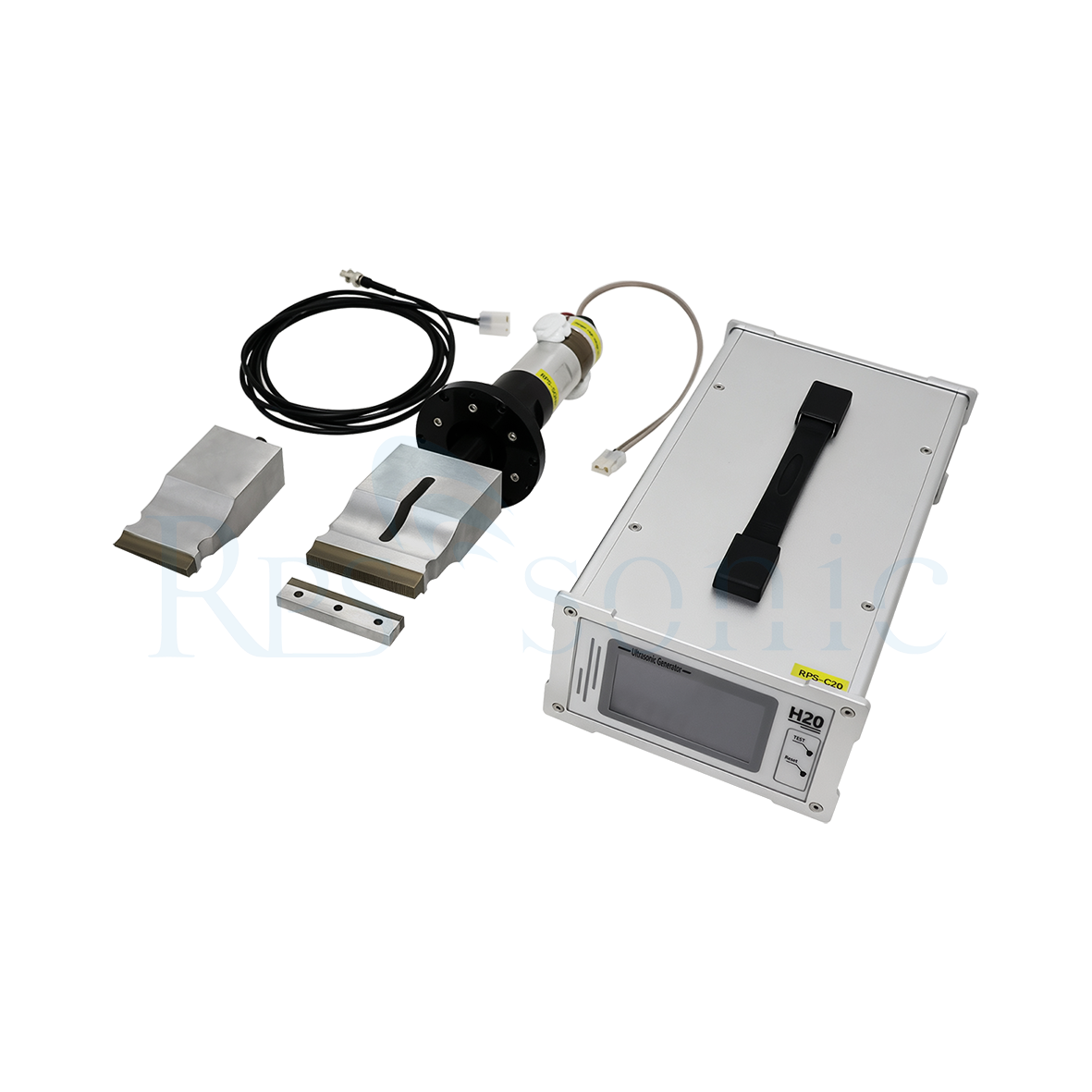
A typical ultrasonic tube sealing system consists of an ultrasonic generator, ultrasonic transducer, booster, welding horn, pneumatic pressing mechanism, and control system.
The working process generally includes the following steps:
Step 1: Tube Positioning
The open end of the filled or unfilled plastic tube is positioned between the ultrasonic welding horn and the supporting fixture.
Step 2: Ultrasonic Energy Generation
The ultrasonic generator converts electrical energy into a high-frequency electrical signal, which drives the transducer to generate mechanical vibrations, typically at 20kHz.
Step 3: Plastic Material Melting
The ultrasonic horn transfers mechanical vibration to the tube sealing area. Internal friction and viscoelastic heating generate localized heat, causing the compatible thermoplastic materials to soften and melt.
Step 4: Pressure Application and Bonding
The pneumatic mechanism applies controlled pressure to the sealing area, allowing the softened plastic surfaces to bond together.
Step 5: Cooling and Sealing Completion
After ultrasonic vibration stops, the pressure is maintained briefly while the material solidifies, forming a strong and uniform seal.
The entire process can be completed within a short welding cycle, depending on the tube material, wall thickness, and sealing dimensions.
3. Key Advantages of Ultrasonic Plastic Tube Sealing Technology
1. Fast and Efficient Welding
Ultrasonic energy is concentrated directly at the sealing interface, eliminating the need for prolonged external heating. This helps shorten the sealing cycle and improve production efficiency.
2. Strong and Reliable Sealing Performance
Ultrasonic welding creates a direct bond between compatible thermoplastic surfaces. With properly optimized welding parameters, the machine can achieve consistent sealing strength and excellent leak resistance.
3. Clean and Attractive Sealing Appearance
The controlled welding process helps produce neat, flat, and uniform tube sealing edges, improving the appearance of finished cosmetic and pharmaceutical packaging.
4. Energy-Efficient Operation
Unlike conventional thermal sealing equipment, ultrasonic sealing does not require continuously heated sealing jaws. Energy is mainly consumed during the welding cycle, helping reduce unnecessary heat losses.
5. No Additional Adhesives Required
The ultrasonic welding process directly bonds compatible plastic materials without additional adhesives, simplifying the production process and reducing material consumption.
6. Adjustable Welding Parameters
Welding time, ultrasonic amplitude, pressure, and holding time can be adjusted according to different tube materials, wall thicknesses, and sealing requirements.
7. Easy Integration into Automatic Production Lines
The ultrasonic tube sealing station can be integrated with automatic tube filling machines, tube positioning systems, and downstream packaging equipment to support continuous production.
4. Applications of Ultrasonic Plastic Tube Sealing Machines
Ultrasonic plastic tube sealing technology is widely used in packaging applications where reliable and hygienic tube sealing is required.
Cosmetics Industry
Suitable for sealing plastic tubes containing:
Face creams and moisturizing lotions
Sunscreen and skincare products
Hair conditioners and shampoos
Cosmetic gels and beauty products
Pharmaceutical Industry
Used for sealing compatible pharmaceutical packaging tubes, including:
Medicinal creams
Topical ointments
Healthcare gels
Dermatological products
Personal Care Industry
Suitable for:
Toothpaste tubes
Hand creams
Cleansing products
Personal hygiene products
Food Industry
Can be used for compatible plastic packaging tubes containing:
Sauces and condiments
Food pastes
Seasonings
Other viscous food products
The actual suitability depends on the tube material, multilayer structure, and required sealing standards.