Ultrasonic Atomization Spraying Technology Precision Coating for Advanced Industrial
1. What Is Ultrasonic Atomization Spraying Technology?
Ultrasonic atomization spraying is an advanced liquid spraying technology that uses high-frequency mechanical vibration to convert liquid into fine, uniform droplets. Unlike conventional pressure-based spray systems, ultrasonic atomization does not rely on high-pressure air or liquid pressure to break the liquid into droplets.
Instead, an ultrasonic transducer generates high-frequency vibrations, which are transmitted through a specially designed titanium or stainless steel nozzle. When liquid reaches the vibrating surface, ultrasonic energy creates capillary waves that gradually break the liquid into fine droplets.
The resulting spray is characterized by controlled droplet size, low-velocity mist, uniform distribution, and reduced liquid consumption.
Ultrasonic atomization technology is widely used in precision coating, pharmaceutical manufacturing, medical applications, electronics, fuel cells, new energy materials, and advanced surface treatment.
2. How Does an Ultrasonic Atomizing Spray System Work?
An industrial ultrasonic atomizing spray system typically consists of four main components:
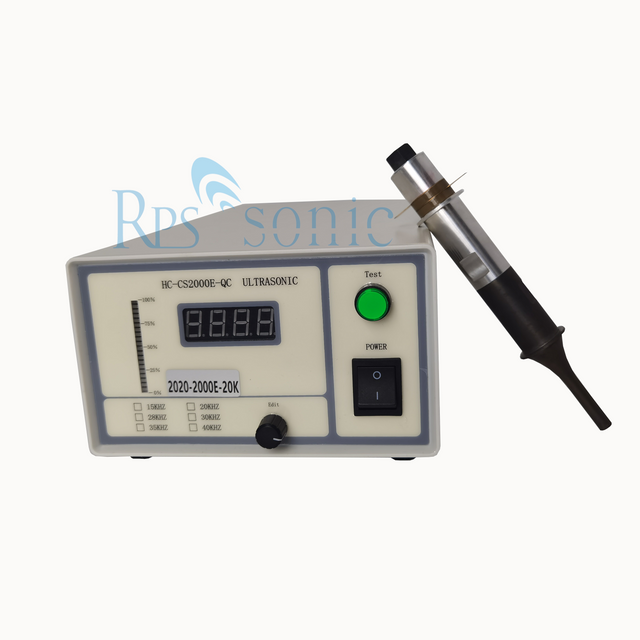
Ultrasonic Generator: Converts electrical energy into high-frequency electrical signals and controls the operating frequency and output power.
Ultrasonic Transducer: Converts electrical energy into mechanical vibration.
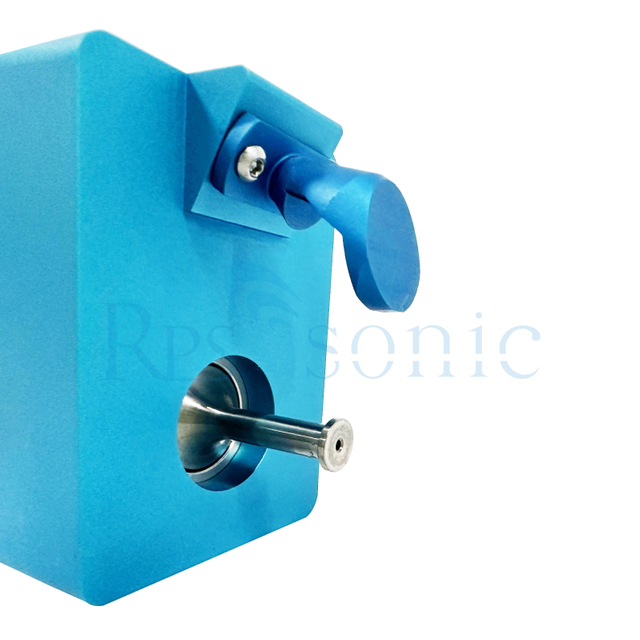
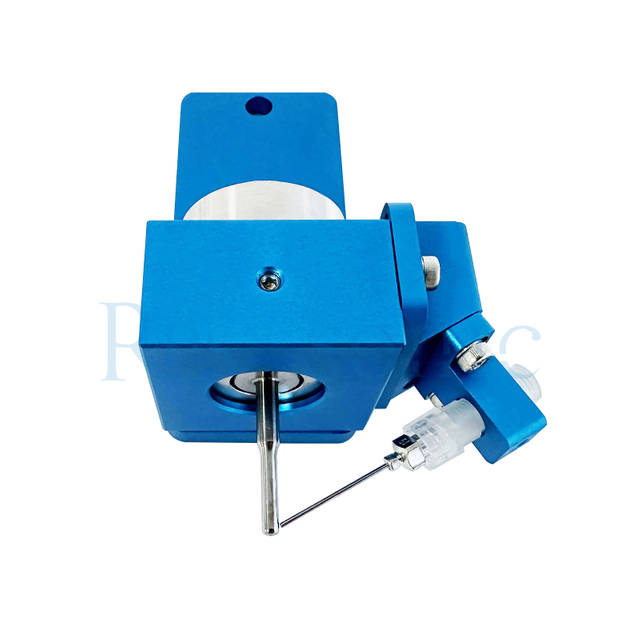
Ultrasonic Atomizing Nozzle: Amplifies and transfers ultrasonic vibration to the liquid, generating fine droplets.
Liquid Feeding System: Supplies liquid to the nozzle at a controlled flow rate.
Atomization Process
The liquid is delivered to the atomizing nozzle through a precision liquid supply system.
The ultrasonic transducer generates high-frequency mechanical vibration.
The vibrating nozzle surface produces capillary waves on the liquid film.
The liquid breaks into fine droplets when the vibration energy reaches the required atomization conditions.
The droplets form a controlled spray pattern and are deposited onto the target surface.
The atomization process is mainly driven by ultrasonic vibration rather than compressed air or high-pressure liquid flow.
3. Key Advantages of Ultrasonic Atomization Spraying
3.1 Uniform and Fine Droplet Distribution
Ultrasonic atomization produces relatively uniform droplets with a controlled size distribution. This helps improve coating consistency and reduce uneven deposition.
3.2 Reduced Liquid Consumption
Because the system does not depend on high-pressure atomization, it can reduce overspray and unnecessary liquid loss in suitable applications.
This is particularly valuable when using expensive functional coatings, pharmaceutical solutions, catalysts, or specialty chemical materials.
3.3 Low-Velocity and Gentle Spraying
Ultrasonic spray droplets generally have lower initial velocity than conventional air-assisted or pressure-driven sprays.
This helps reduce splashing, material rebound, and disturbance to delicate substrates.
3.4 Precise Coating Thickness Control
By adjusting liquid flow rate, ultrasonic power, spray distance, nozzle movement speed, and spraying time, users can control the amount of liquid deposited on the target surface.
This makes ultrasonic atomization suitable for thin-film coating and precision surface treatment.
3.5 Less Clogging Compared with Fine Pressure Nozzles
Ultrasonic atomizing nozzles generally use a relatively open liquid delivery path rather than relying on a very small high-pressure orifice.
This can reduce certain types of nozzle blockage. However, filtration and proper liquid formulation are still necessary, especially when processing suspensions or particle-containing liquids.
3.6 No Need for High-Pressure Atomizing Air
Many ultrasonic spray systems can operate without compressed atomizing air. This simplifies system integration and may reduce compressed-air consumption.
An optional carrier gas or shaping air can still be used when a narrower or more directional spray pattern is required.
Industrial Applications of Ultrasonic Atomization Technology
4.1 Pharmaceutical and Medical Applications
Ultrasonic atomization can be used to apply controlled liquid coatings to pharmaceutical and medical products.
Potential applications include:
Coating of medical devices
Functional coating of medical tubes
Applying pharmaceutical solutions to selected surfaces
Precision spraying of bioactive liquid formulations
Coating of diagnostic and laboratory components
For medical applications, material compatibility, sterility, biocompatibility, and process validation must be considered separately.
4.2 Fuel Cells and New Energy Materials
Ultrasonic spraying is used in research and production processes involving functional catalyst coatings.
Potential applications include:
PEM fuel cell catalyst layer preparation
Catalyst coating on membrane electrode assemblies (MEA)
Electrolyte and electrode material coating
Battery-related functional coating research
Preparation of thin functional layers on conductive substrates
The relatively gentle and controllable spray process can help improve material utilization and coating uniformity.
4.3 Electronics and Semiconductor Manufacturing
Precision ultrasonic spraying is suitable for depositing thin liquid layers on delicate or complex components.
Applications include:
Protective coating of electronic components
Functional coating of sensors
Conductive and insulating material deposition
Precision coating of circuit substrates
Specialized surface treatment
4.4 Glass and Optical Coating
Ultrasonic atomization can apply functional liquids to glass and optical surfaces.
Examples include:
Anti-reflective coating solutions
Hydrophobic coatings
Protective surface coatings
Optical functional films
Special chemical coatings
The final coating quality depends on solution formulation, substrate preparation, drying conditions, and coating parameters.
4.5 Agricultural and Environmental Applications
Ultrasonic atomization can also be used in selected low-volume spraying applications.
Potential uses include:
Fine spraying of liquid fertilizers
Application of specialty agricultural formulations
Controlled spraying of plant protection solutions
Laboratory research on liquid deposition
For outdoor agricultural spraying, wind, droplet drift, evaporation, and environmental conditions must be carefully evaluated.