Can Ultrasonic Technology Be Used To Coat Surgical Suture Trays with Triclosan Solution?
Views: 100 Author: Site Editor Publish Time: 2026-07-29 Origin: Site
Can ultrasonic technology be used to coat surgical suture trays with triclosan solution?
Triclosan solution surgical suture trays typically refer to surgical sutures coated with the antimicrobial agent triclosan, along with the associated packaging or tray (pan) system. This is a combination of medical devices used to reduce the risk of postoperative infection.
Working Principle: Antimicrobial Transfer from "Pad" to "Suture"
The "pan" plays a crucial role in the production of triclosan-containing sutures, primarily as seen in related patented technologies.
Manufacturing the Antimicrobial Tray: Triclosan is mixed with materials such as high-density polyethylene (HDPE) and injection molded into suture trays. Each such tray contains approximately 11.2 mg of triclosan.
Packaging and Sterilization: The antimicrobial-free sutures are placed in the tray, sealed, and then sterilized together with ethylene oxide (EtO).
Vapor Transfer: During sterilization, the high temperature and pressure environment causes the triclosan in the tray to sublimate into vapor, which is transferred to the surface of the suture, giving it an antimicrobial coating.
Clinical Value and Product Status
The clinical value of using triclosan-containing antibacterial sutures has been widely validated and recommended.
Reduced Infection Risk: Evidence-based medicine shows that using triclosan-coated sutures can reduce the risk of surgical site infection (SSI) by approximately 30%. One study showed that using such sutures in abdominal fascia closure reduced the infection rate by up to 24%.
Recommended by Authoritative Guidelines: Guidelines from authoritative organizations such as the World Health Organization (WHO), the Chinese Medical Association's Surgical Branch, and NICE in the UK all recommend the use of antibacterial sutures.
Ultrasound technology can not only be used for this purpose, but is also a mature and practically applied advanced process.
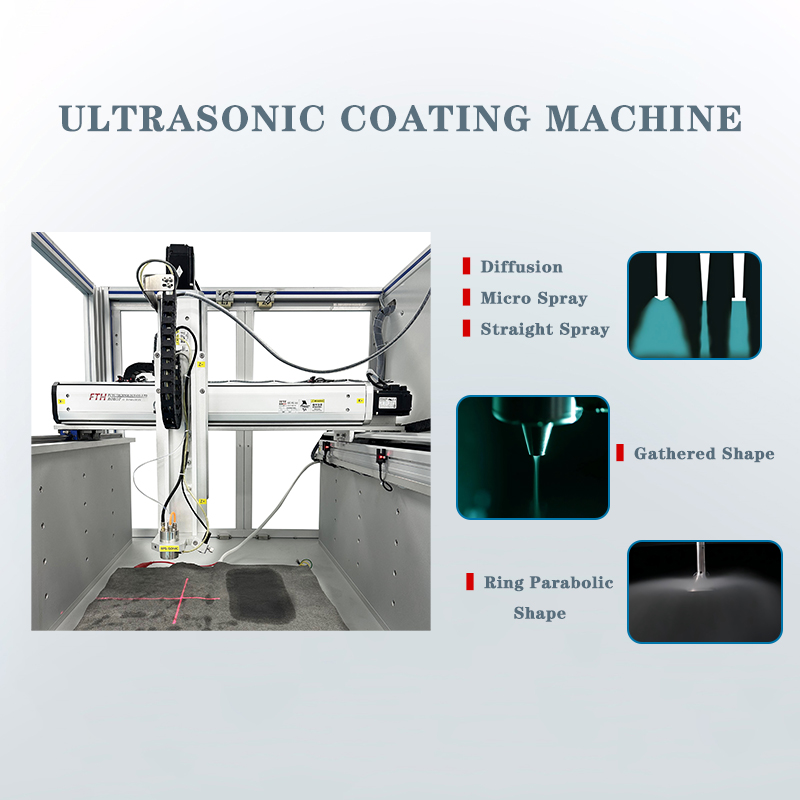
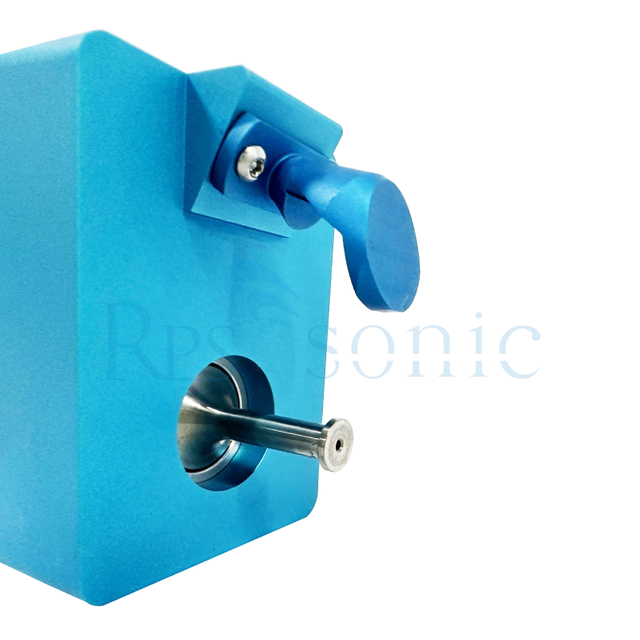
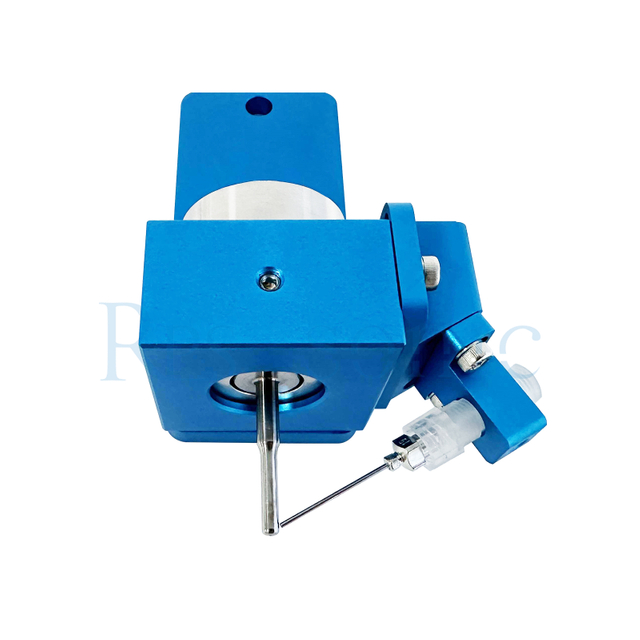
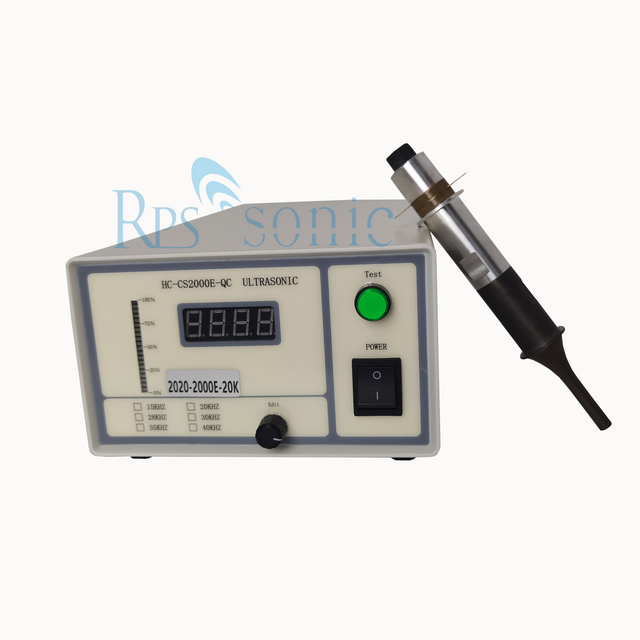
This technology is mainly achieved through "ultrasonic spraying," a precision coating preparation technique. Its core principle is to use ultrasonic vibrations to atomize a triclosan-containing solution into micron-sized droplets, which are then precisely deposited onto the surface of an antibacterial tray to form a uniform and dense antibacterial coating.
Compared to traditional dip coating methods, ultrasonic spraying offers significant advantages in preparing triclosan antibacterial coatings:
Precision and Uniformity: It allows for precise control of the coating area, effectively avoiding the "localized buildup" or "missed coating" problems common in traditional methods. Coating thickness deviation can be controlled within ±5%, which is crucial for delicate sutures.
Safety and Stability: As a "precise, uniform, and efficient" coating method, it maximizes the antibacterial benefits of triclosan while addressing the safety and stability limitations of traditional coatings.
Good Process Versatility: The same ultrasonic spraying process can be used for different materials and single-strand or multi-strand sutures, helping to reduce production costs.