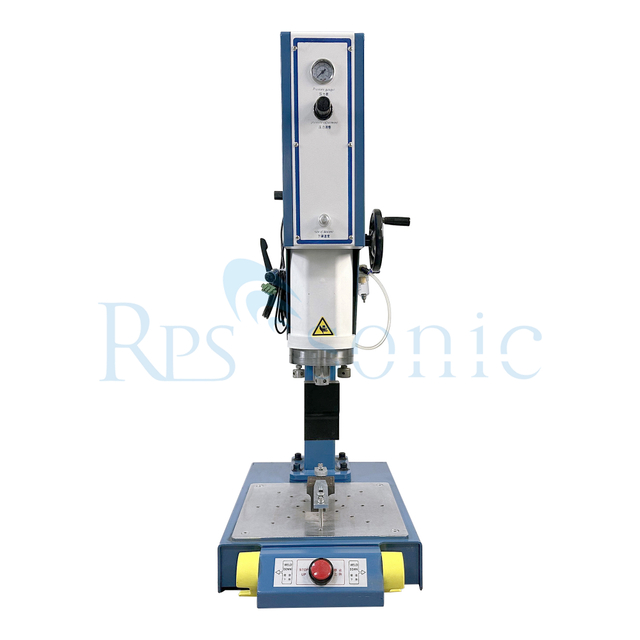
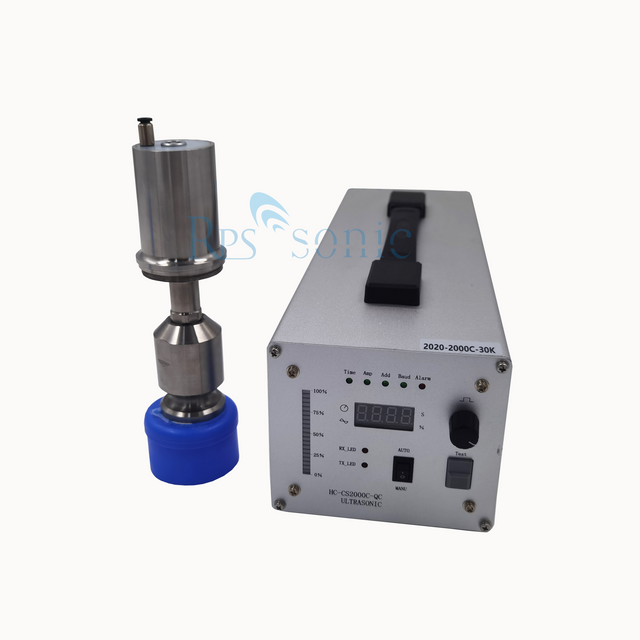
Why Choose A 20kHz 1000W Ultrasonic Plastic Tube Sealing System?
Ultrasonic Sealing vs. Traditional Heat Sealing
Traditional heat sealing uses externally heated sealing jaws to melt plastic materials, while ultrasonic sealing generates heat directly at the bonding interface through mechanical vibration.
The two technologies have different characteristics:
Comparison | Ultrasonic Tube Sealing | Traditional Heat Sealing |
Heating Principle | Frictional and viscoelastic heating | External thermal heating |
Preheating | Usually not required | Usually required |
Heat Application | Localized sealing area | Heated sealing jaws |
Energy Consumption | Mainly during welding cycles | Depends on continuous heating |
Welding Speed | Short welding cycles possible | Depends on heating and cooling |
Temperature Control | Controlled through welding parameters | Controlled through heating temperature |
Adhesives | Not required | Not usually required |
Ultrasonic sealing is particularly attractive for applications requiring localized heating, fast processing, and consistent sealing quality.
Why Choose a 20kHz 1000W Ultrasonic Plastic Tube Sealing System?
A 20kHz 1000W ultrasonic system provides a practical configuration for many plastic tube sealing applications.
Its main features include:
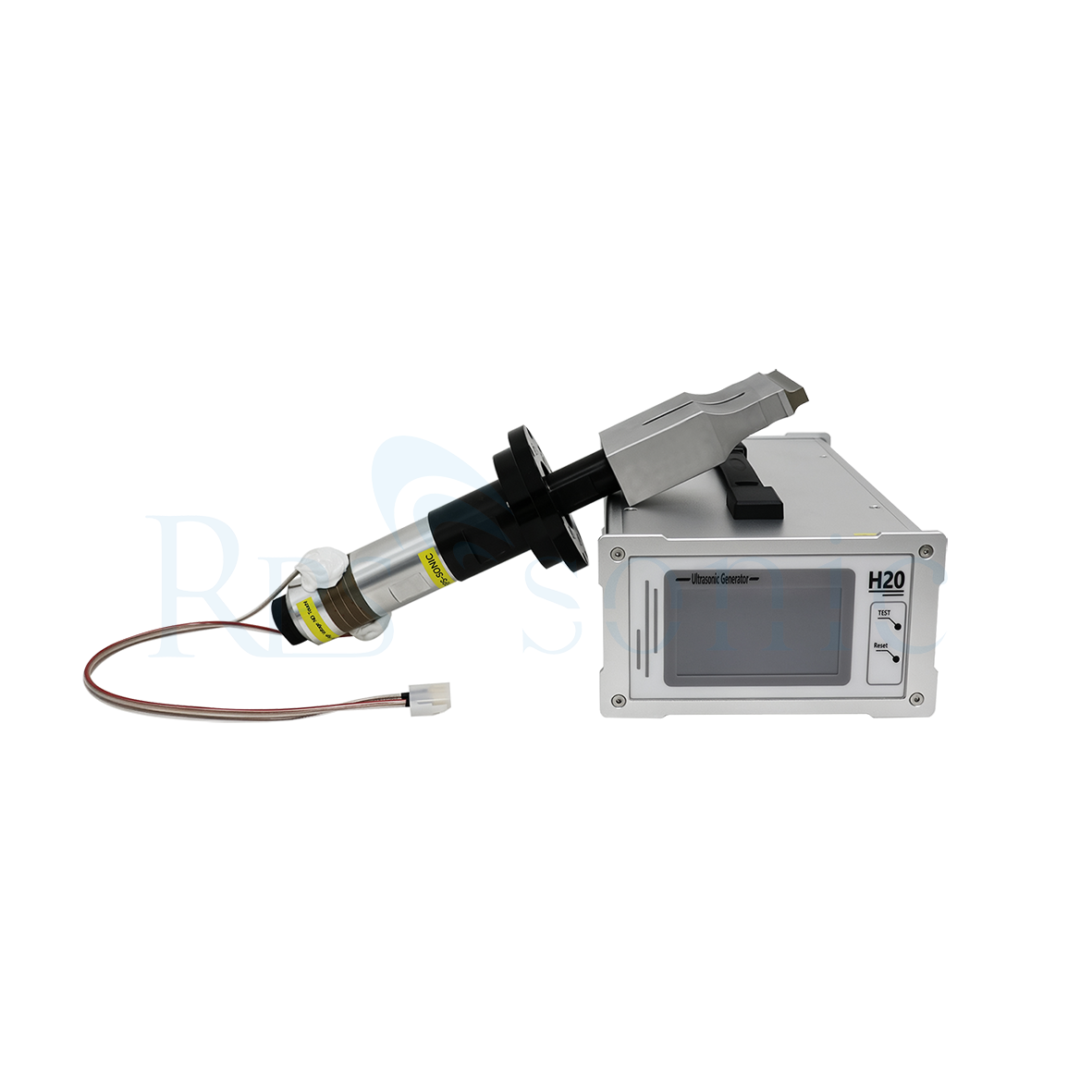
· 20kHz Ultrasonic Frequency: Provides high-frequency mechanical vibration for plastic tube welding.
· 1000W Ultrasonic Power: Supplies ultrasonic energy for stable and efficient sealing operations.
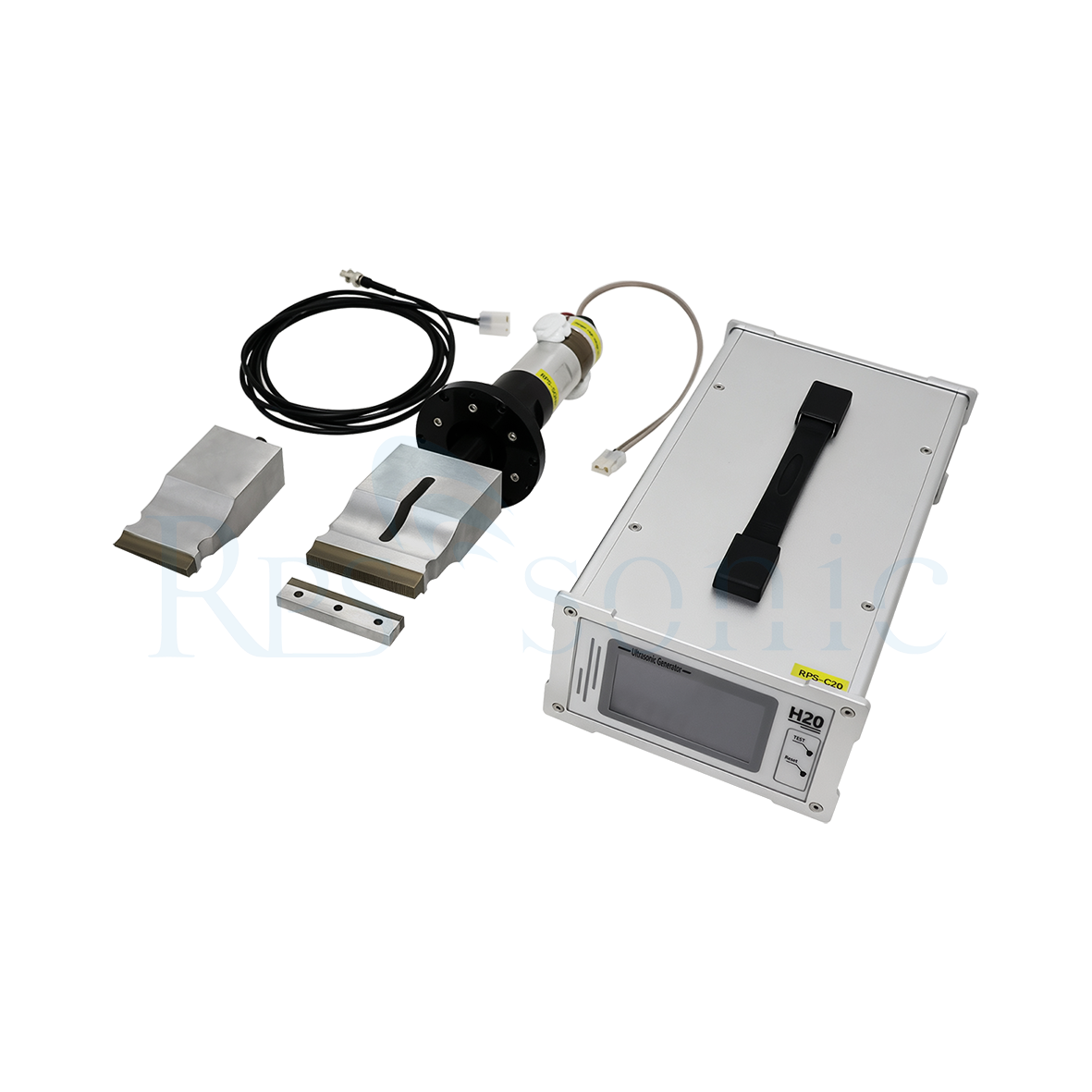
· High-Performance Transducer: Converts electrical energy into mechanical vibration.
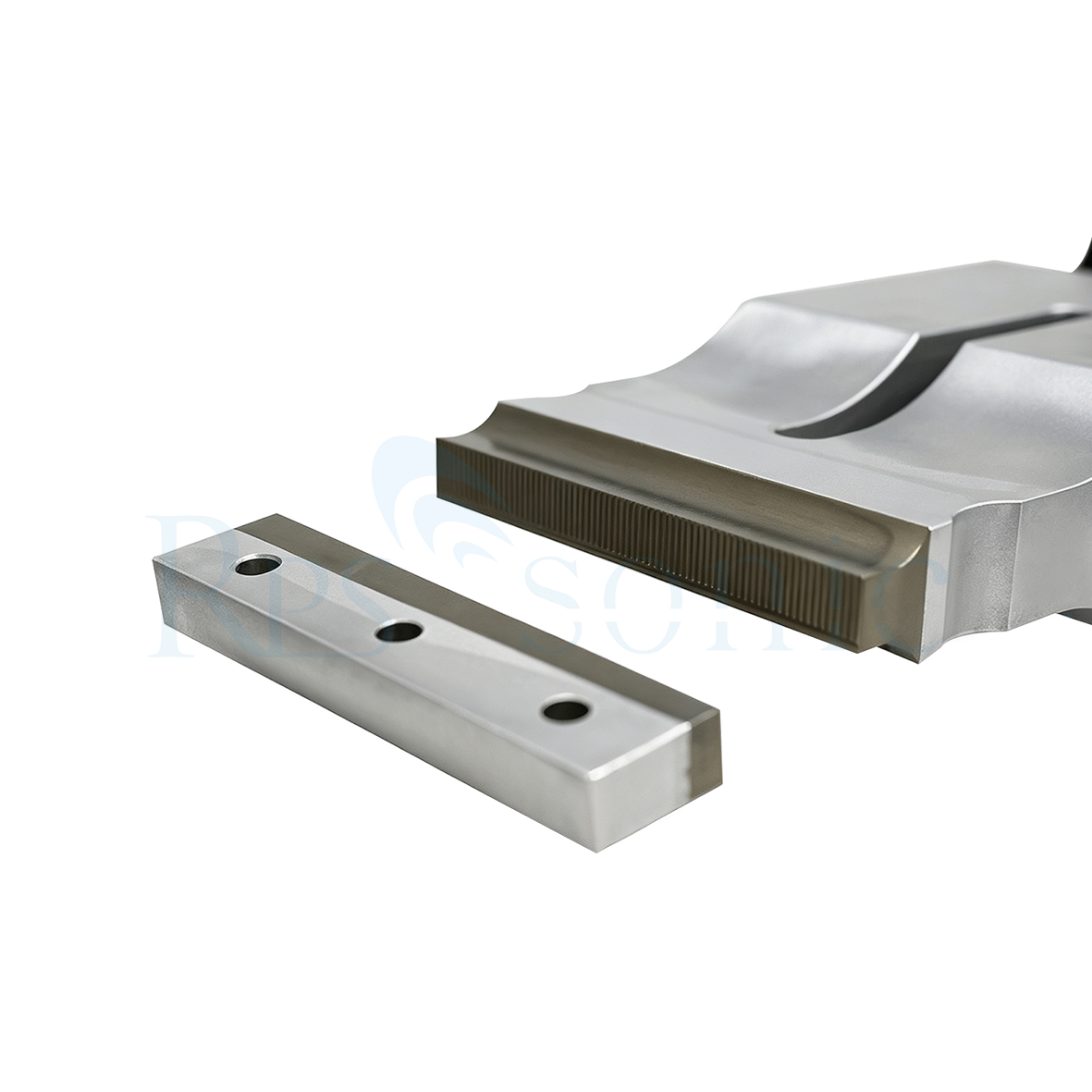
· Customized Welding Horn: Can be designed according to tube width and sealing geometry.
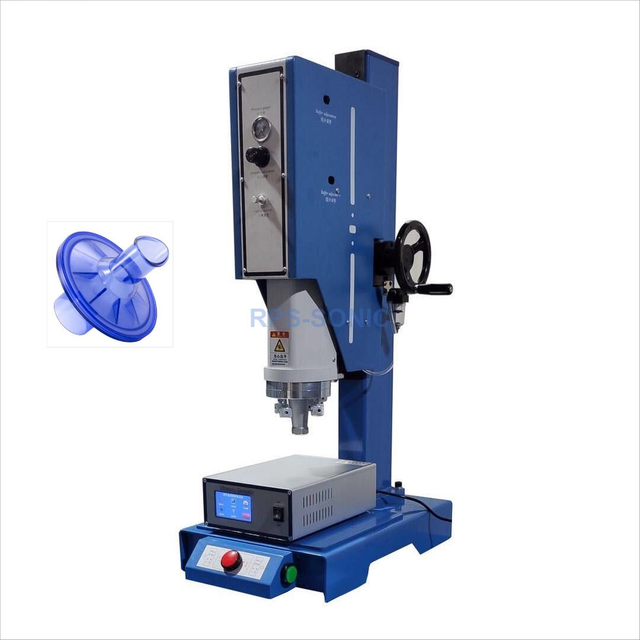
· Pneumatic Pressing Mechanism: Provides controlled welding pressure.
· Digital Ultrasonic Generator: Allows adjustment of key welding parameters.
· Customized Fixtures: Support different tube dimensions and production requirements.
The welding system can be customized according to the customer's tube diameter, material, sealing width, and production capacity.
Important Factors When Selecting an Ultrasonic Tube Sealing Machine
Before purchasing an ultrasonic plastic tube sealing system, manufacturers should consider several important factors:
Tube Material: PE, PP, and other compatible thermoplastic materials can be evaluated for ultrasonic weldability. Multilayer tubes require special compatibility testing.
Tube Dimensions: Tube diameter, wall thickness, and sealing width influence the design of the welding horn and fixture.
Sealing Strength: The required tensile strength and leakage resistance should be established through practical welding tests.
Production Capacity: The required output per minute determines the pneumatic cycle, loading method, and automation configuration.
Welding Parameters: Ultrasonic amplitude, welding time, pressure, and holding time need to be optimized for each tube specification.
Choosing the correct ultrasonic configuration helps ensure reliable production and consistent finished-product quality.
FAQ
1. What plastic materials can be sealed by ultrasonic tube sealing machines?
PE, PP, and other compatible thermoplastic materials can be sealed. Multilayer tubes require compatibility testing.
2. Does ultrasonic tube sealing require external heating?
No. Ultrasonic vibration generates localized heat at the sealing interface, so conventional preheating is generally unnecessary.
3. Can the machine seal cosmetic and pharmaceutical tubes?
Yes. It can be used for compatible cosmetic, pharmaceutical, personal care, and food packaging tubes.
4. Can different tube sizes be accommodated?
Yes. Customized welding horns and fixtures can be designed according to different tube diameters and sealing widths.
5. How can sealing quality be guaranteed?
By optimizing ultrasonic amplitude, welding time, pressure, and holding time, and conducting sealing strength and leakage tests.
Conclusion
The Ultrasonic Plastic Tube Sealing System Welding Machine provides an efficient and reliable solution for modern plastic tube packaging.
By combining high-frequency ultrasonic vibration, localized heat generation, and controlled mechanical pressure, this technology produces clean and consistent seals without requiring additional adhesives or conventional continuously heated sealing jaws.
Whether used for cosmetic cream tubes, pharmaceutical ointment tubes, toothpaste packaging, or other compatible plastic tube applications, ultrasonic tube sealing technology offers manufacturers an effective way to improve production efficiency, sealing consistency, and packaging quality.
With customized ultrasonic power, welding horns, fixtures, and automation options, manufacturers can develop a tube sealing solution that meets their specific production requirements.