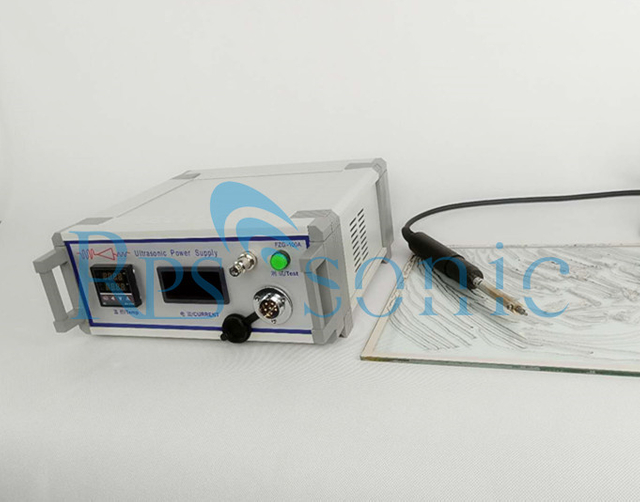
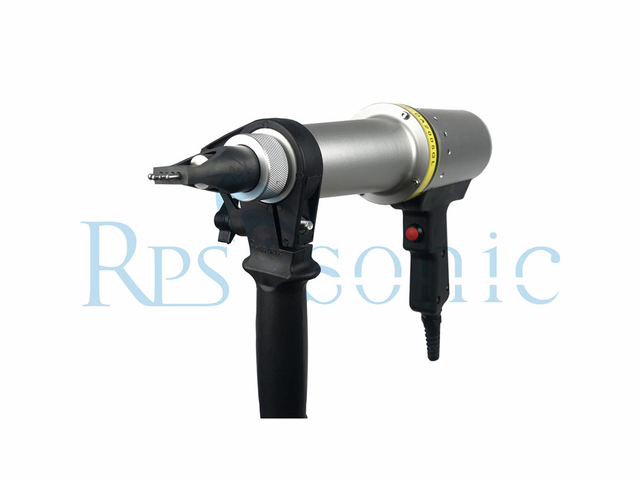
What Is Ultrasonic Welding Stress Relief Equipment?
I. Rapid On-Site Diagnosis of Crack Root Causes
Before developing a solution, it is recommended to conduct a "failure analysis" of the existing cracks to identify the root cause. Three common types are:
Fatigue Cracks: Caused by long-term vibration, cracks usually initiate at the weld toe or stress concentration points and propagate gradually.
Thermal Stress Cracks: Sudden temperature changes in the material within the chute (such as alternating between red-hot and cold materials) lead to insufficient plasticity in the weld metal, resulting in cracking.
Welding Process Cracks: Hydrogen-induced delayed cracks or hard and brittle martensitic structures, often seen in high-carbon equivalent base metals or improperly matched welding materials.
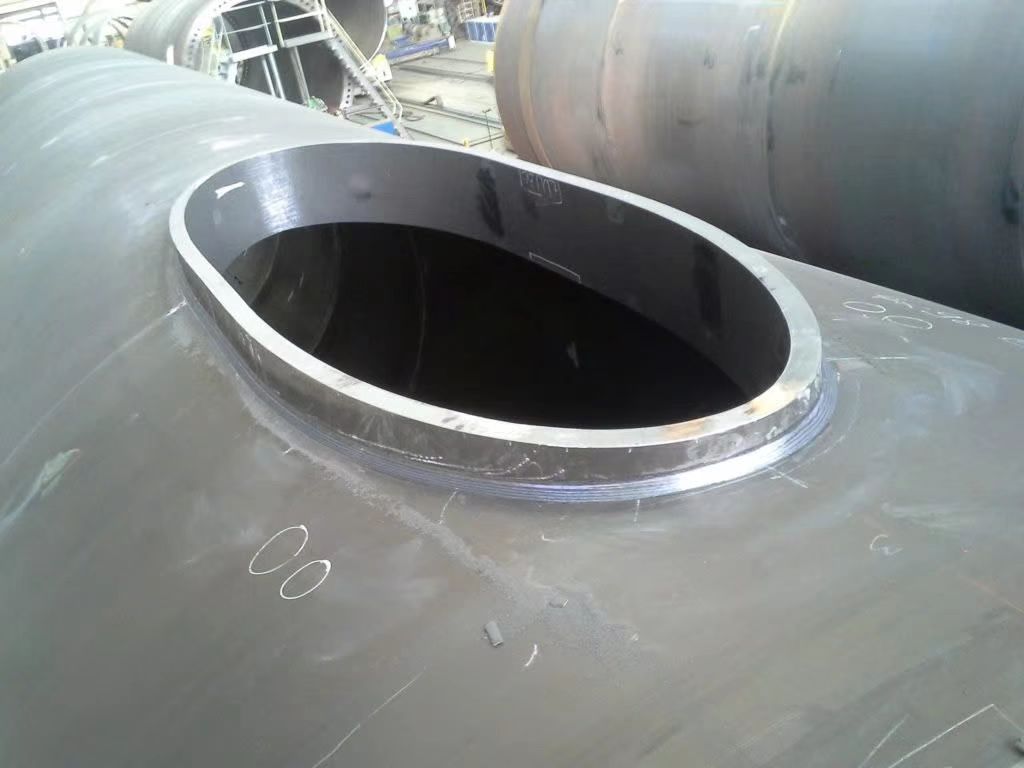
II. Core Modules of a Systematic Solution
module | key measures | desired effect |
1. Optimize the design of the joint | Change the original fillet weld to a double-sided bevel full penetration butt joint; add flexible transition plates or reinforcing plates in the area with the highest stress to disperse the vibration energy. | Eliminate stress concentration and increase fatigue life by 2-3 times |
2. Select anti-crack welding materials | Use low-hydrogen type electrodes (such as J507RH) or high-toughness flux-cored wires; for dissimilar steels (such as wear-resistant plates + ordinary steel), select transition layer welding materials (such as 309L). | Reduce the tendency of hydrogen-induced cracks and enhance the low-temperature impact toughness |
3. Strict control of welding process | Perform forced preheating (typically 100-200℃ according to the carbon content of the base material); control the interlayer temperature; conduct desulfurization treatment immediately after welding (holding at 250-300℃ for 1-2 hours) | Avoid martensite structure and ensure that hydrogen diffuses and escapes fully. |
4. Post-processing and enhancement | TIG re-melting or high-frequency impact treatment is carried out at the weld toe to improve the geometric transition; vibration aging or low-temperature annealing is performed on the entire or local area. | Eliminate residual tensile stress and introduce compressive stress |
5.In-service monitoring and repair | Attach strain gauges or acoustic emission sensors for real-time monitoring; for early micro-cracks, use composite patches or cold welding techniques for repair to avoid downtime. | Achieve predictive maintenance to extend the lifespan of equipment |
Realize predictive maintenance and extend equipment lifespan. 3. Rapid repair process for cracks that have already appeared (applicable on-site)
If the chute has cracks and needs to resume production quickly, it is recommended to adopt the "three-step repair method":
Complete removal: Use carbon arc air cutting or angle grinder to completely remove the cracks, and conduct PT (penetrant testing) to confirm there are no residues.
Low-stress welding: Use short segments, intermittent, and annealing weld bead process, with each weld seam length not exceeding 30mm, and hammering to release stress.
Enhanced protection: Apply a wear-resistant overlay coating (such as chromium carbide composite material) on the surface of the repair area, which is both anti-wear and reduces vibration stress.
IV. Quantifiable Effect Expectations
Reduced crack occurrence rate: With the implementation of the full penetration + preheating + dehydrogenation process, the initial crack rate can be reduced to below 5%.
Uninterrupted operation period: Extended from the original 1-2 months to 6-12 months (requires regular monitoring).
Maintenance cost: Reduced by 80% for emergency shutdown repairs, and the consumption of spare parts decreased by more than 50%.
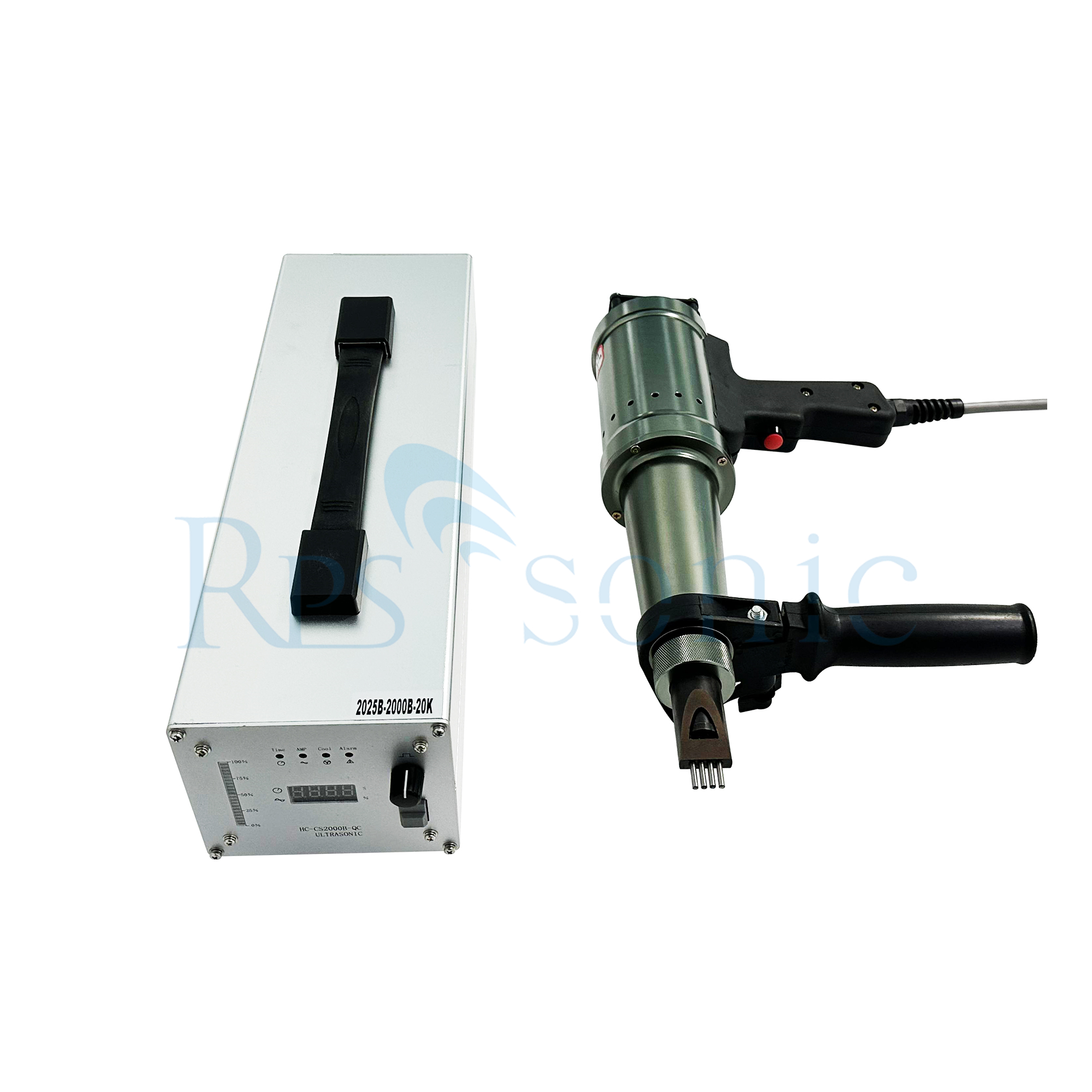
The ultrasonic welding stress relief equipment is a technology that can effectively solve the problem of fatigue cracks in the weld seams of vibrating chute. It converts the harmful residual tensile stress into beneficial residual compressive stress through high-frequency impact, thereby fundamentally improving the fatigue resistance of the weld seams.
The process can be understood as follows:
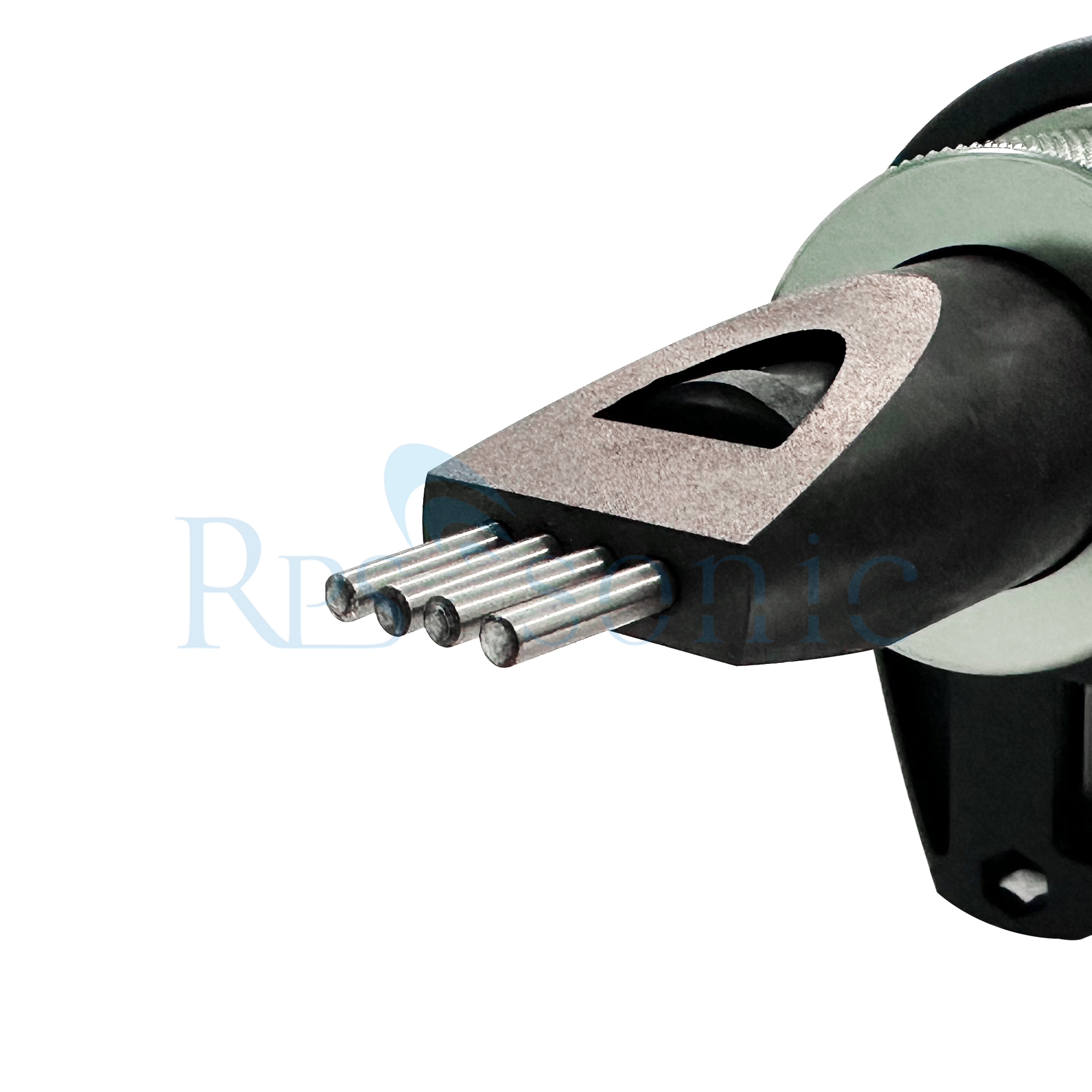
High-frequency impact: The equipment generates approximately 20,000 to 30,000 high-frequency mechanical vibrations per second, causing the impact needle to rapidly strike the weld seam and its surrounding areas.
Reshaping stress: This high-frequency energy causes microscopic plastic deformation in the metal surface, thereby eliminating the residual tensile stress (harmful) generated by welding and forming residual compressive stress (beneficial).
Triple gain: At the same time, the high-speed impact can also:
Eliminate defects: Eliminate small cracks and undercut at the weld toe.
Optimize shape: Smooth out the sharp weld toe and reduce stress concentration.
Strengthen the surface: Fine-grain the metal surface crystals, form a hardened layer, and enhance hardness and wear resistance.
Core Advantage: Why It Can Handle Vibration Conditions
For vibrating chutes, the ultrasonic impact technology offers significant advantages in dealing with welding stresses, resulting in quantifiable performance improvements:
performance index | improve the effect | The practical significance of the vibrating chute |
Residual stress elimination rate | 80% - 100% | Eliminate the "root cause" that leads to fatigue cracks fundamentally. |
Improvement in fatigue strength | Increase by 50% - 120% | Enhance the weld's ability to resist long-term vibration loads, thereby directly reducing the risk of cracking. |
Extended fatigue life | Extend by 5 to 100 times | This means that the chute can operate continuously and stably for 6 to 12 months or even longer, significantly reducing the frequency of shutdowns and maintenance. |
resistance to corrosion | Increase by approximately 400% | Better cope with the common corrosive factors in the metallurgical environment and extend the overall lifespan of the equipment. |
Core performance parameters:
Power: Determines the processing effect and efficiency, typically ranging from 500W to 1500W.
Processing depth: The depth of weld seams that the equipment can effectively handle, usually around 3-6 millimeters.
Processing speed: Some devices can reach ≥ 500mm/min.
Engineering applicability:
Portability: Slop channel maintenance is often carried out on-site. The weight of the equipment directly affects the ease of operation. Some equipment's impact guns weigh only 1.7 kilograms.
Environmental adaptability: Considering the possible high temperatures and dusty conditions in metallurgical sites, the protection level and stability of the equipment are important indicators.
Equipment functions and automation level:
Basic functions: Does it have stable automatic frequency and power tracking capabilities?
Human-computer interaction: Is a touch screen equipped and does it display stress elimination parameters in real time?
Automation upgrade: If the processing volume is large, consider integrating robots to achieve automated stamping.
Equipment reliability:
Key components: Pay attention to the brands and lifespan of core components such as transducers and impact needles. For example, transducers use imported piezoelectric ceramics from Germany, which have more stable performance.
Cooling method: For long-term continuous operation, pay attention to the cooling design of the equipment, such as water cooling or forced air cooling.