What Is Ultrasonic Vibration Technology for Removing Plastic Sprues (gates)?
Views: 136 Author: Yvonne Han Publish Time: 2026-04-15 Origin: Site
What Is Ultrasonic Vibration Technology for Removing Plastic Sprues (gates)?
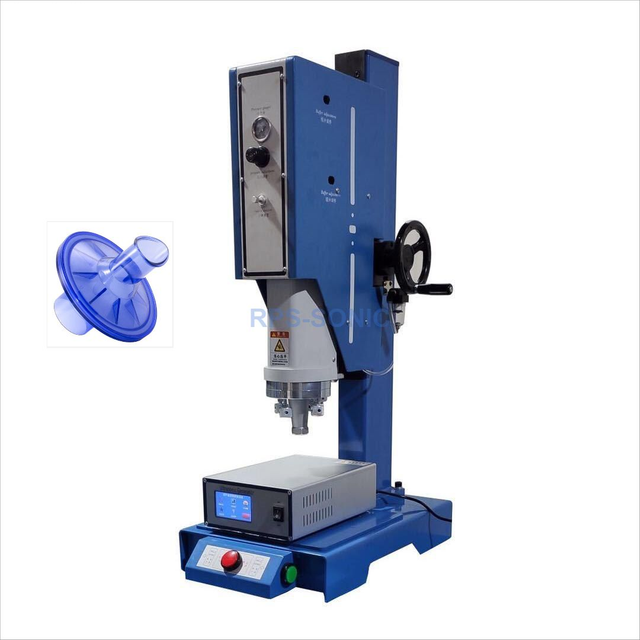
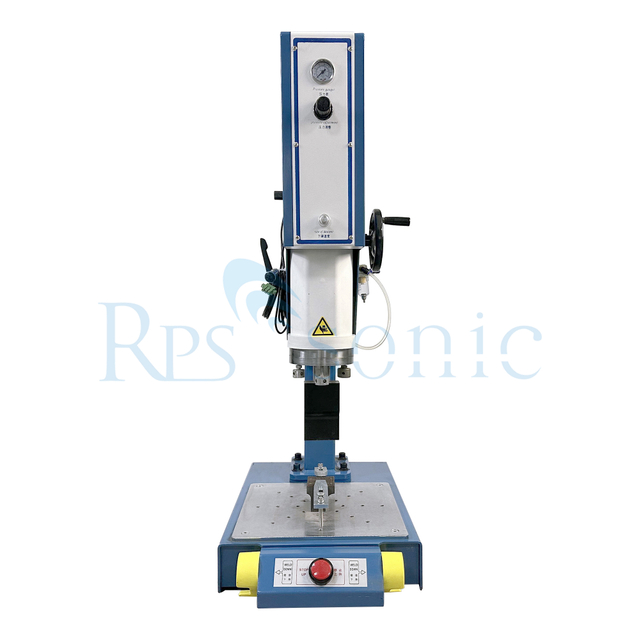
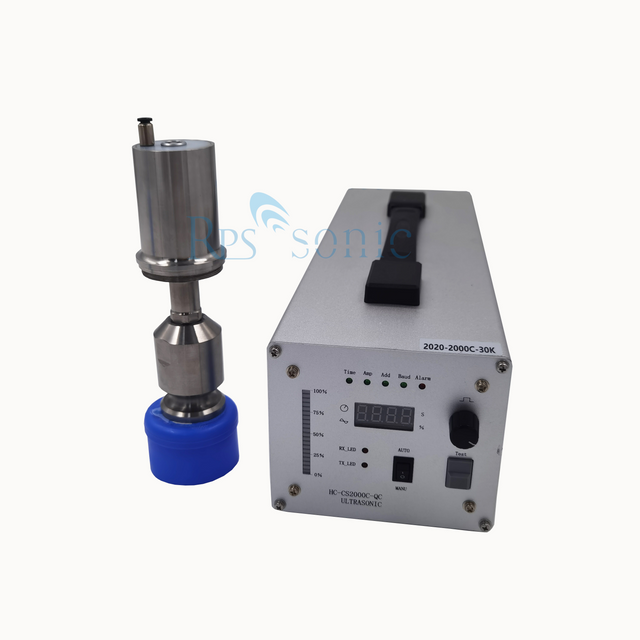
Ultrasonic gate removal technology is a mature and widely used process for removing plastic sprues (gates). Its core principle is as straightforward as its name: using high-frequency ultrasonic vibrations, the molecular friction at the junction of the sprue and the product softens it in a very short time, ultimately resulting in a clean and decisive breakage.
Compared to traditional methods such as manual shearing and punching, the biggest advantages of ultrasonic gate removal are:
High quality: Smooth cuts, no whitening, no burrs, no need for secondary processing, especially suitable for products with high appearance requirements.
High efficiency: The processing time is only 0.5-5 seconds. Automated equipment can process thousands of products per hour, far exceeding the efficiency of manual processing.
Non-destructive separation: Non-contact "vibration breakage" has no thermal impact on the product body, avoiding pressure damage, deformation, or internal damage, improving yield.
Easy integration: Compact equipment with controllable parameters can be easily linked with injection molding machines and robotic arms to achieve fully automated production. Which plastics are suitable?
This technology has material preferences and is primarily suitable for rigid, hard thermoplastics.
**Limited effectiveness:** Soft, elastomers (such as TPE, TPU) and thermosetting plastics (such as epoxy resin, phenolic resin). The former cannot be effectively vibrated, and the latter is not suitable .
**Special materials:** For glass fiber reinforced plastics (such as PA + 30% glass fiber), efficient separation can also be achieved by using a high-hardness welding head and adjusting parameters .
How to assess feasibility?
To achieve the best results from ultrasonic vibration, in addition to selecting the right material, several key points need to be considered:
**Evaluate the gate design:** Narrow, thin, and easily resonant structures are best. Large and thick cross-sections are difficult to vibrate and may require punching or laser cutting.
Selecting Key Parameters:
Frequency: Mainstream equipment typically operates within the 15kHz - 20kHz frequency range
Power: Adjustable depending on the size and material of the sprue, typically between 2000W - 3200W. For example, 2000-3000W can be set for processing 0.5-1mm thick hard plastic.
Output Time: Single vibration time is mostly adjustable between 0.01 - 9.99 seconds .
Confirming Equipment and Cost: The price of a single unit varies greatly depending on the brand and configuration. If you are concerned about high initial investment costs, you can also consider directly contacting the manufacturer for "processing with supplied materials," paying per piece, thus avoiding the pressure of initial equipment investment.