Ultrasonic Extraction Equipment: From Laboratory Research to Industrial Production
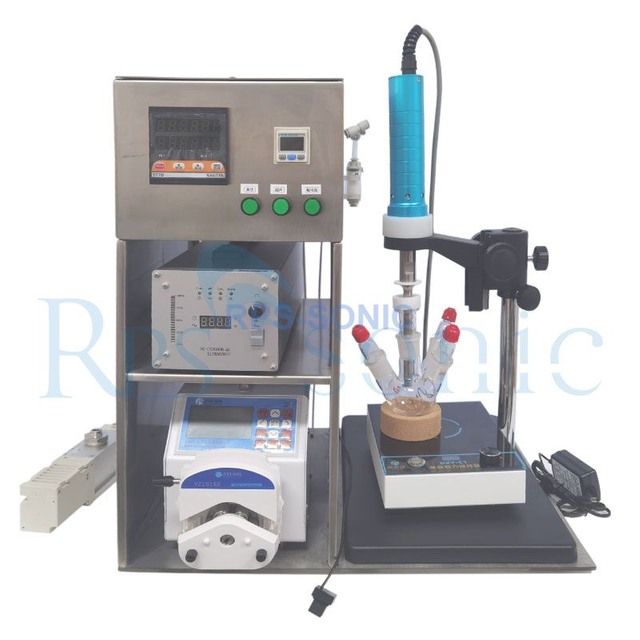
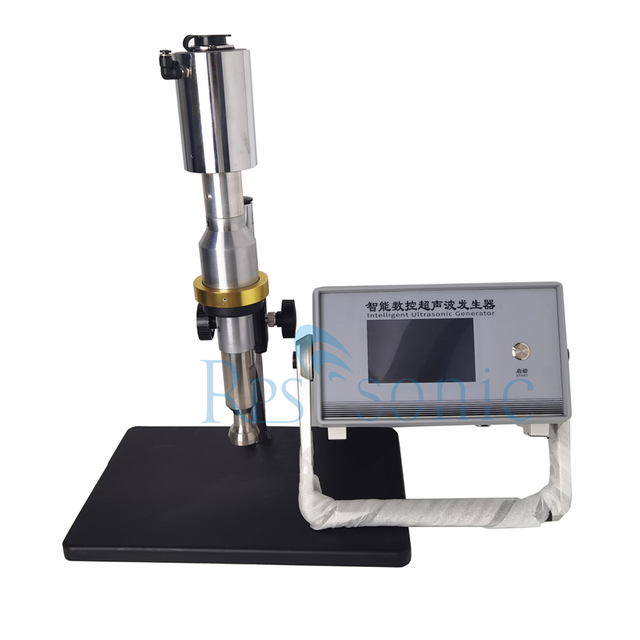
Laboratory Ultrasonic Extraction System
Suitable for small-scale experiments, solvent screening, extraction parameter optimization, and preliminary process development.
Probe-type ultrasonic processor
Adjustable ultrasonic power
Small-volume processing
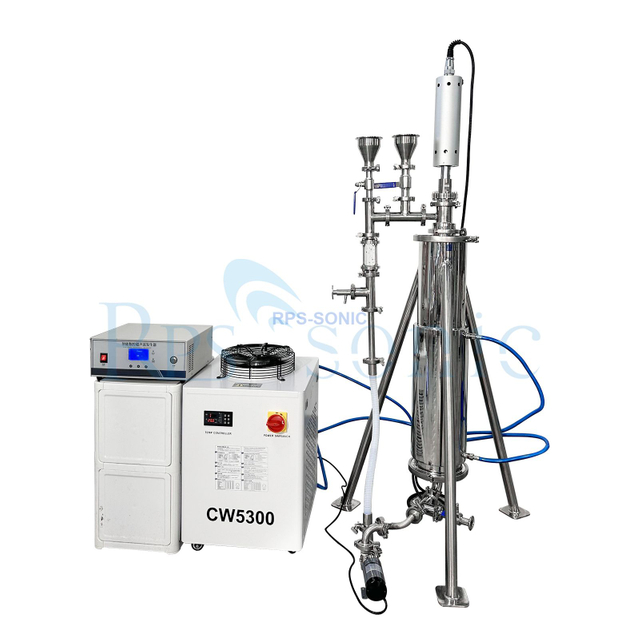
Pilot-Scale Ultrasonic Extraction System
Suitable for process validation, extraction yield evaluation, and scale-up studies.
Jacketed stainless steel tank
Temperature monitoring and control
Mechanical stirring
Customized ultrasonic probe
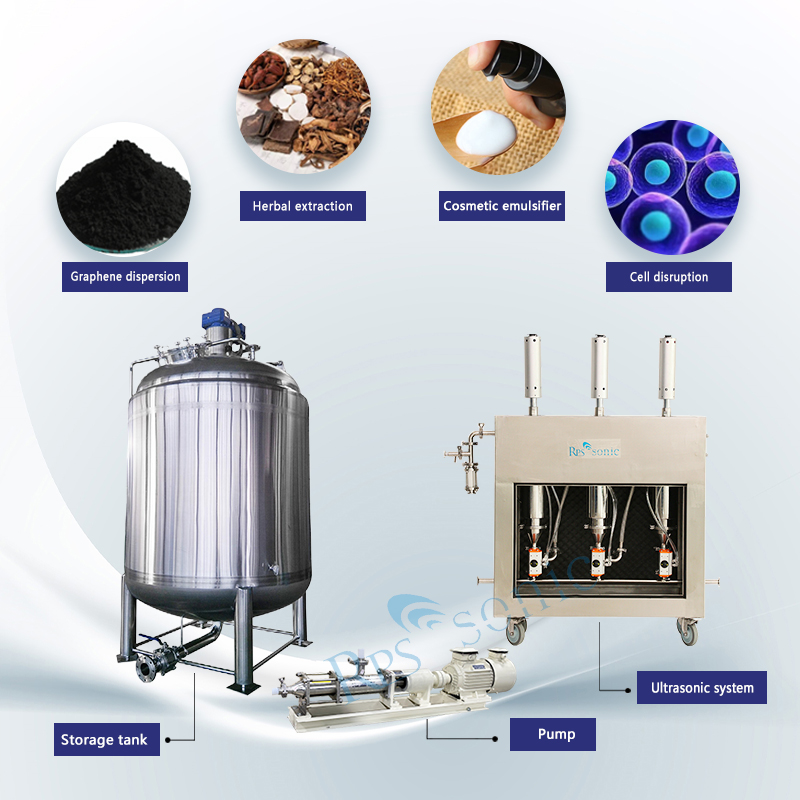
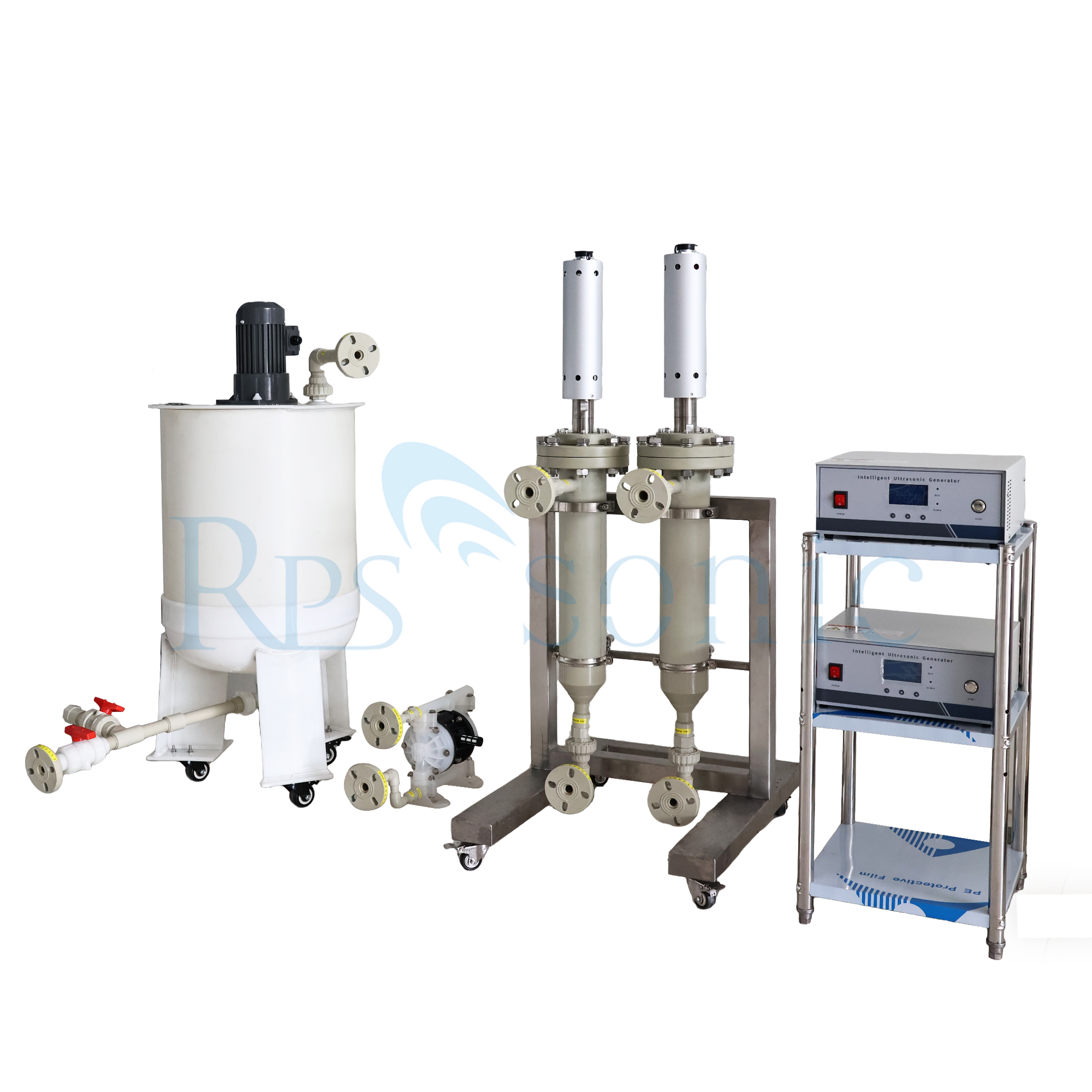
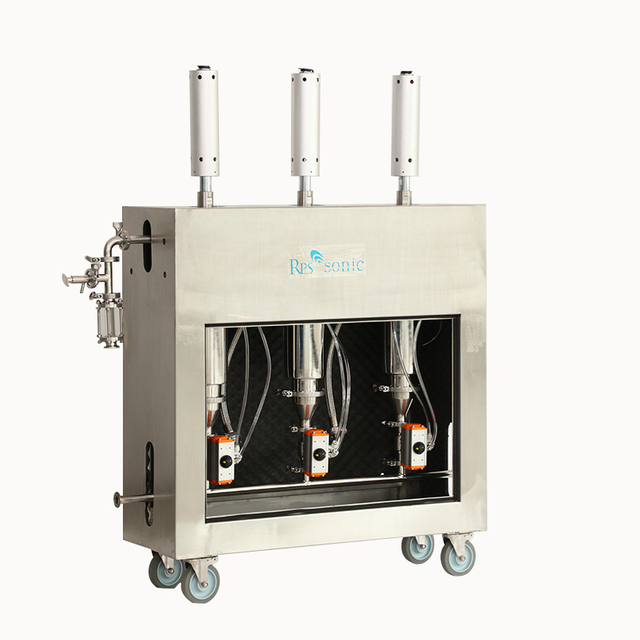
Industrial Continuous Ultrasonic Extraction System
Designed for larger production volumes and continuous processing.
High-power ultrasonic generators
Stainless steel flow cells
Circulation pump and piping
Multiple ultrasonic treatment stages
Customized flow rate and reactor capacity
For industrial applications, multiple ultrasonic flow cells can be connected in series or parallel, depending on the required throughput and treatment intensity.
The series configuration allows material to pass through successive ultrasonic treatment stages, while parallel configurations can increase processing capacity.
Industrial scale-up requires careful consideration of specific energy input, residence time, temperature control, flow distribution, and cavitation uniformity.
Key Factors Affecting Ultrasonic Extraction Performance
Ultrasonic extraction is not simply a matter of increasing power. The entire process must be optimized according to the raw material and target compound.
Important parameters include:
Ultrasonic power: Determines the energy delivered to the material.
Frequency: Influences cavitation behavior and treatment characteristics.
Amplitude: Affects the vibration intensity of the ultrasonic probe.
Extraction temperature: Must be controlled according to the thermal stability of the target compounds.
Solvent selection: Influences solubility and extraction selectivity.
Solid-to-liquid ratio: Affects solvent availability and mass transfer.
Treatment time: Must be optimized to balance extraction performance and energy consumption.
Excessive ultrasonic intensity or prolonged treatment may cause unwanted heating, oxidation, or degradation of sensitive compounds. Therefore, process optimization is essential.
Conclusion
Ultrasonic extraction is a versatile processing technology with applications across food manufacturing, cosmetics, pharmaceuticals, nutraceuticals, marine resources, microalgae, agricultural biomass, and natural pigment production.
Through acoustic cavitation, ultrasound improves solvent-material interaction and promotes the release of valuable compounds from different raw materials.
With customized ultrasonic probes, jacketed extraction tanks, and continuous-flow ultrasonic reactors, manufacturers can develop extraction systems suitable for different production scales.
RPS-SONIC provides customized ultrasonic extraction solutions for laboratory research, pilot-scale testing, and industrial production. Our equipment can be configured according to material characteristics, extraction capacity, processing temperature, and production requirements.
Contact us to discuss your ultrasonic extraction project and develop a suitable processing solution.