Enhanced Extraction Method of Lavender Essential Oil Using Ultrasonic Technology
Views: 89 Author: Site Editor Publish Time: 2025-12-24 Origin: Site
Enhanced Extraction Method of Lavender Essential Oil Using Ultrasonic Technology
A method for enhanced extraction of lavender essential oil is disclosed, which involves ultrasonic-enhanced steam distillation with brine to extract lavender essential oil. Lavender raw material (20-100 mesh) is soaked in a 0.1-4% inorganic salt solution and placed in an extraction device. After ultrasonic enhancement for 0.2-1.5 hours, steam distillation is performed, and the oil-water mixture cooled to room temperature is separated to obtain the essential oil. This method achieves a lavender essential oil extraction rate more than twice that of traditional steam distillation, and significantly reduces the distillation time. The essential oil extracted from lavender flowers or stems and leaves using this invention can be used in cosmetics, food additives, sterilization, and preservative applications.
Lavender is a perennial subshrub widely used in the pharmaceutical, cosmetic, and food industries. It is widely cultivated along the Mediterranean coast and in Northwest and Southwest China, especially in the Ili region of Xinjiang. The essential oil extracted from its flower spikes has a fragrant and rich aroma, making it an important natural fragrance with insect-repellent, deodorizing, antibacterial, sedative, hypnotic, and stress-relieving effects. Methods for extracting essential oils include traditional pressing, steam distillation, and organic solvent extraction, as well as later methods such as ultrasound-assisted solvent extraction and supercritical CO2 extraction. However, these methods typically have limitations such as low extraction rates, significant loss of active ingredients, or high production costs. For example, pressing yields low essential oil extraction rates and is prone to contamination with solid raw materials during processing. While organic solvent extraction and the developed ultrasound-assisted solvent extraction can maximize essential oil extraction, they suffer from organic solvent residues and negatively impact essential oil quality. Supercritical CO2 extraction yields high-quality essential oils but requires advanced technology and significant equipment investment. Compared to other methods, steam distillation is simple, easy to operate, and low-cost, producing high-quality essential oils, making it the most commonly used method. However, due to its long operation time, steam distillation can easily cause thermal decomposition or hydrolysis of heat-sensitive and easily hydrolyzed compounds in the essential oil, resulting in the loss of active ingredients.
Existing lavender essential oil extraction processes, including those using ultrasound, suffer from drawbacks such as high production costs, significant loss of active ingredients, cumbersome processes, and residual organic solvents. To address these issues, a safe, simple, and effective method is proposed.
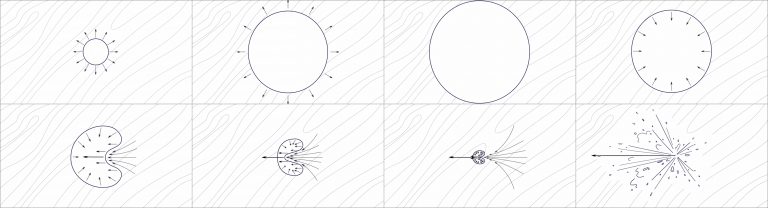
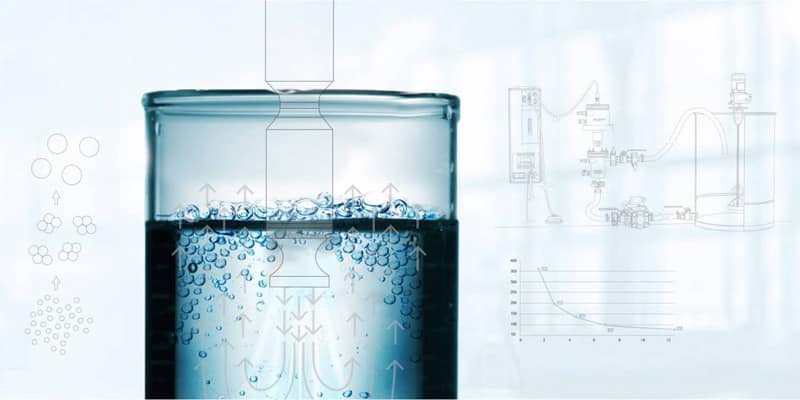
This method utilizes the cavitation and mechanical effects of ultrasound to increase molecular diffusion speed, accelerating water penetration into plant cells and tissues, thus facilitating essential oil extraction.
The method is achieved through the following steps: Place lavender raw material, pulverized to 20-100 mesh, into an extraction device. Add an inorganic salt solution with a solute mass fraction of 0.1-4% (5-30:1). Perform ultrasonic enhancement for 0.2-1.5 hours. After enhancement, steam distill for 0.5-2 hours. Separate the distillate to obtain the essential oil.
The optimal particle size for the lavender raw material is 40-60 mesh.
The inorganic salt is one or more of KCl, K₂SO₄, NaCl, Na₂SO₄, MgCl₂, MgSO₄, CaCl₂, and CaSO₄.
The mass fraction of the solute in the added inorganic salt solution is preferably 0.5-2%.
The liquid-to-solid ratio of the inorganic salt solution to the lavender raw material is preferably 10-20:1.
The ultrasonic enhancement time during the operation is preferably 0.25-1 h.
Advantages and effects: The cavitation and mechanical effects of ultrasound increase the molecular diffusion rate, accelerating the penetration of water into plant cell tissues, which is beneficial for essential oil extraction. This invention improves upon the problem of prolonged operation at high temperatures in steam distillation, which easily leads to the thermal decomposition or hydrolysis of heat-sensitive compounds and easily hydrolyzed components in the essential oil. It also overcomes the solvent residue problem of organic solvent extraction and the high investment cost of supercritical fluid extraction.
The extraction rate is more than twice that of traditional steam distillation.
Essential oils extracted from lavender flowers or lavender stems and leaves can be used in cosmetics, food additives, sterilization and preservation.