How Ultrasonic Technology is Revolutionizing Tea Extraction: A Double Leap in Efficiency and Quality
As one of the world's oldest beverages, tea's extraction method has a decisive impact on the final flavor, aroma, and health value of the drink. For thousands of years, the traditional hot water steeping method has been the mainstream method for tea extraction, but this method has significant limitations. Now, ultrasonic extraction technology, with its unique physical mechanism, is bringing a silent revolution to the field of tea extraction.
Limitations of Traditional Extraction Methods
Traditional tea extraction is based on the principle of thermal diffusion, that is, by contacting hot water with tea leaves, the effective components in the tea cells gradually dissolve. While this process is simple and easy, it has several key drawbacks:
High time cost: High-quality tea often requires 5-10 minutes of steeping to achieve the ideal flavor.
Incomplete extraction: Some active substances deeply embedded in the cells are difficult to fully release.
Loss of heat-sensitive substances: High temperatures may destroy heat-sensitive components such as tea polyphenols and vitamins.
Large batch-to-batch variation: Affected by factors such as water temperature, time, and water quality, quality is difficult to standardize.
Physical Mechanism of Ultrasonic Extraction
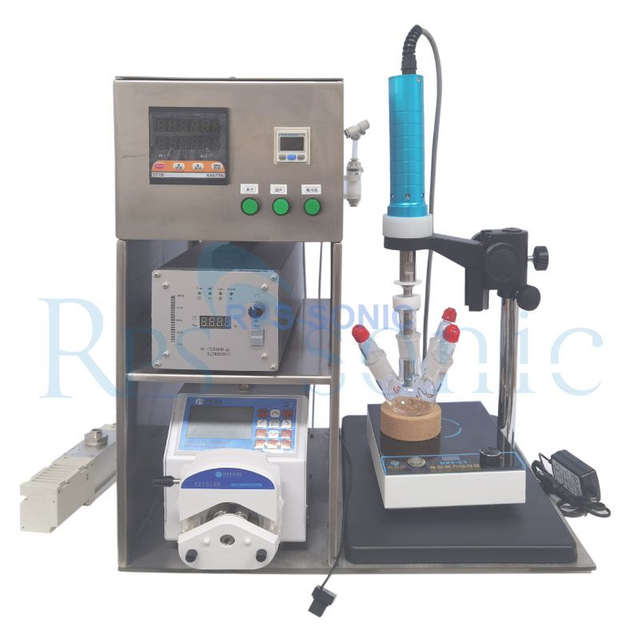
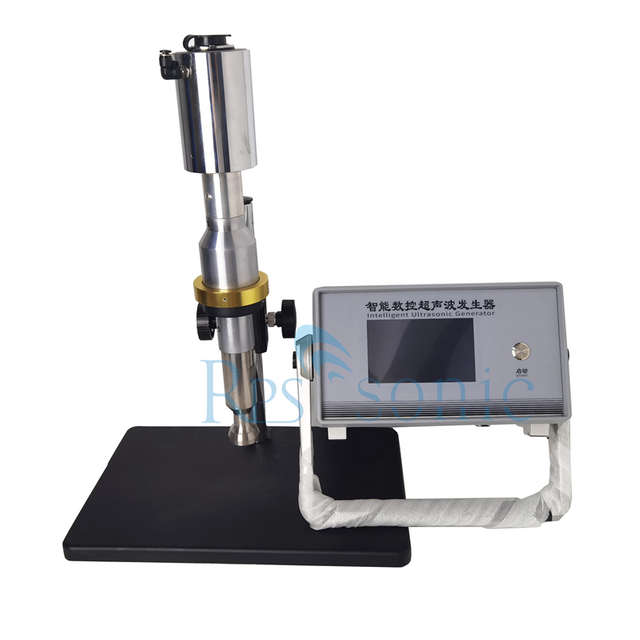
Ultrasonic extraction technology utilizes high-frequency sound waves (usually 20-100kHz) to create a "cavitation effect" in the liquid, which is the core principle behind its improved extraction efficiency. When ultrasound passes through a liquid medium, it generates alternating high and low pressure cycles, causing microbubbles to rapidly form, grow, and implode, releasing powerful localized energy.
In tea extraction, this process offers multiple advantages:
* **Cell wall disruption:** The microjets and shear forces generated by cavitation effectively disrupt the cell wall structure of tea leaves.
* **Accelerated component release:** Active ingredients rapidly diffuse from the disrupted cells into the solution.
* **Temperature control:** Highly efficient extraction can be achieved at lower temperatures, protecting heat-sensitive substances.
* **Enhanced selectivity:** Extraction can be optimized for specific components by adjusting ultrasound parameters.
* **Significant advantages revealed by experimental data:** Studies show that ultrasound-assisted extraction outperforms traditional hot water soaking in several dimensions:
* **Improved time efficiency:** Extraction time can be reduced to one-third or even less of traditional methods. For example, in green tea polyphenol extraction, only 15 minutes are needed to achieve the extraction effect of 40 minutes using traditional methods.
Increased Active Ingredients: Tea polyphenol extraction rate increased by 20-35%; catechin content increased by 15-30%; caffeine extraction is more balanced, avoiding excessive release.
Quality Stability: The pH value of the solution remains stable during ultrasonic extraction, avoiding the acid-base fluctuations in the tea soup caused by prolonged soaking in traditional methods, thus maintaining the stability of the tea soup's color and flavor.
Matching Technical Parameters with Tea Characteristics
The effectiveness of ultrasonic extraction is influenced by multiple parameters, requiring optimization of conditions for different tea types:
Green Tea (rich in heat-sensitive components):
Frequency: 40-60kHz
Temperature: 40-50℃
Time: 10-15 minutes
Features: Maximizes the retention of Vitamin C and chlorophyll
Black Tea (requires extraction of fully oxidized components):
Frequency: 25-40kHz
Temperature: 60-70℃
Time: 15-20 minutes
Features: Promotes complete release of theaflavins and thearubigins
Oolong Tea (complex aroma compounds):
Intermittent ultrasound: Pulse mode prevents overheating
Temperature: 50-60℃
Features: Complete extraction of multi-layered aroma compounds
Industrial Applications and Challenges
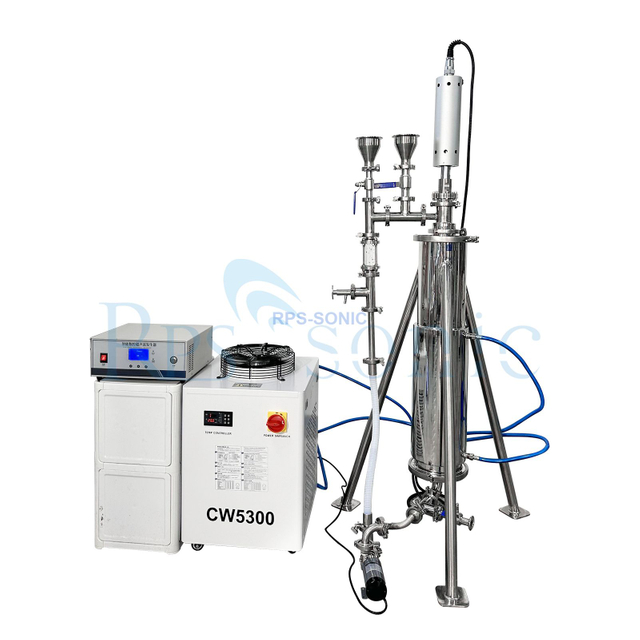
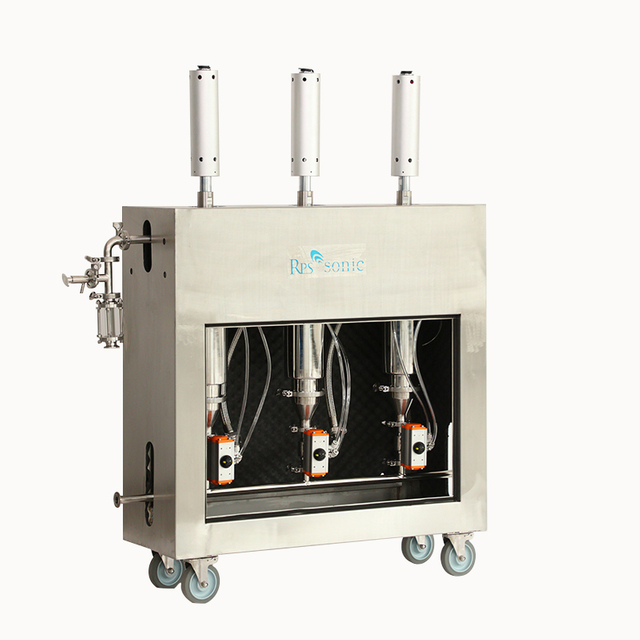
On an industrial scale, ultrasonic extraction technology has begun to transform the field of deep tea processing:
Extract Production: Used in the manufacture of tea polyphenol health products, natural antioxidants, and tea-flavored food additives, significantly improving extraction efficiency and product purity.
Ready-to-drink Tea Beverage Manufacturing: Enables rapid and standardized tea preparation, ensuring batch-to-batch consistency. Specialty Tea Processing: Used for precise extraction of high-end teas, maximizing the retention of unique flavor compounds.
However, technology promotion still faces challenges: High initial investment in equipment; Energy optimization requirements for large-scale applications; Increased technical requirements for operators; The adherence to the aesthetic value of "slow extraction" in traditional tea culture.
Future Outlook: Integration of Intelligent and Personalized Technologies
With technological advancements, ultrasonic extraction is developing towards greater precision:
Parameter Adaptive Systems: Real-time monitoring of the extraction process through sensors, automatically adjusting ultrasonic parameters to adapt to different tea batches.
Multi-Mode Combined Extraction: Combining ultrasound with microwaves, supercritical fluids, and other technologies to create a synergistic effect.
Personalized Extraction Solutions: Customizing extraction parameters based on consumers' individual needs for caffeine content, flavor intensity, etc.
Conclusion
Ultrasonic extraction technology is redefining the scientific meaning of "a good cup of tea." It is not only an efficiency tool but also a catalyst for quality improvement, building an innovative bridge between traditional tea art and modern science. As this technology continues to deepen in research and application, we can expect to enjoy the profound heritage of tea culture while more fully and accurately obtaining the health benefits and sensory pleasure that tea provides. This revolution in tea extraction, led by ultrasound, is ushering in a new chapter of integration between traditional industries and modern technology with its unique "frequency".