What Is Ultrasonic Mushroom Extraction?
Ultrasonic mushroom extraction utilizes the cavitation effect of ultrasound in a liquid to disrupt the cell walls of mushrooms, thereby efficiently and rapidly releasing intracellular active ingredients (such as polysaccharides, triterpenoids, and proteins) into the solvent.
It shares the same physical principle as the previously mentioned ultrasonic coating dispersion, but their applications and targets are entirely different: coating dispersion aims for uniform mixing, while mushroom extraction aims for the efficient separation of target substances.
1. Core Principle: Also based on cavitation effect, but the target changes from dispersion to cell wall disruption.
When ultrasound propagates in an extraction solvent containing mushroom powder, it generates cavitation bubbles. These bubbles release powerful shock waves, microjets, and shear forces upon collapse.
For fungi like mushrooms, their cell walls are composed primarily of dense structures such as chitin, glucan, and proteins, making them extremely tough. Traditional extraction methods (such as hot water soaking) struggle to completely destroy them in a short time.
The role of ultrasound is:
Physical cell wall disruption: Shock waves and shear forces directly break down the mushroom cell walls, releasing active ingredients such as polysaccharides, triterpenes, and nucleosides into the solvent.
Enhanced mass transfer: After cell disruption, the contact area between the solvent and the target components increases exponentially. Simultaneously, the micro-perturbations generated by cavitation accelerate molecular diffusion, significantly shortening the extraction time.
Lower extraction temperature: Due to its extremely high efficiency, the entire extraction process can be carried out at room temperature or lower temperatures, avoiding the damage to heat-sensitive components (such as certain active proteins and flavor compounds) caused by high temperatures.
2. Advantages Compared to Traditional Extraction Methods
Traditional mushroom extraction methods mainly include hot water extraction, alcohol extraction, and enzymatic hydrolysis. Ultrasonic extraction has significant advantages in the following aspects:
Comparison items | Traditional extraction (hot reflux, maceration) | Ultrasonic extraction |
Extraction rate | The levels are relatively low, and components such as polysaccharides are difficult to release completely. | Extraction rates are significantly improved, typically by 20%-50%. |
Extraction time | Hours to tens of hours | From a few minutes to an hour, extremely efficient. |
Extraction temperature | High temperature (60-100℃), high energy consumption | It can be used at room temperature or low temperature (≤60℃), saving energy and protecting heat-sensitive components. |
Solvent usage | The amount of solvent used is relatively large. | Reduced solvent usage lowers subsequent concentration costs. |
Ingredient integrity | High temperatures may cause damage to polysaccharide structures and Maillard reactions. | Better preservation of the natural structure and bioactivity of active ingredients |
3. Specific Applications and Extraction Targets
In the deep processing of mushrooms (including edible and medicinal fungi), ultrasonic extraction is widely used to extract the following high-value-added components:
Fungal polysaccharides: such as lentinan, Ganoderma lucidum polysaccharides, and Trametes versicolor polysaccharides. This is the most important target for mushroom extraction, as polysaccharides possess immunomodulatory and antitumor activities. Ultrasound can efficiently break cell wall constraints, releasing high-molecular-weight active polysaccharides.
Triterpenoids: mainly found in medicinal mushrooms such as Ganoderma lucidum, they have hepatoprotective and anti-inflammatory effects. Ultrasound-assisted alcohol extraction is a common method for extracting triterpenoids.
Ergosterol (vitamin D2 precursor): Mushrooms exposed to ultraviolet light produce large amounts of ergosterol, which ultrasound can help extract without damaging its structure.
Flavor substances and nucleotides: used in the production of natural mushroom seasonings and flavor enhancers (such as guanylic acid), ultrasound can rapidly extract flavor precursors.
4. Practical Considerations for Industrial Applications
While ultrasonic extraction yields excellent results in the laboratory, several practical factors need to be considered for large-scale production:
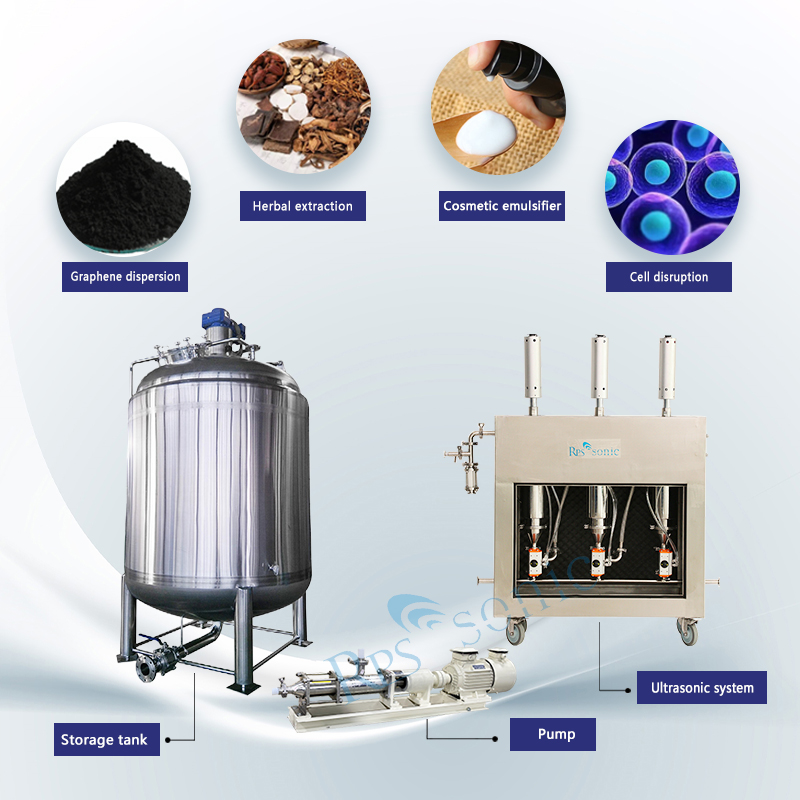
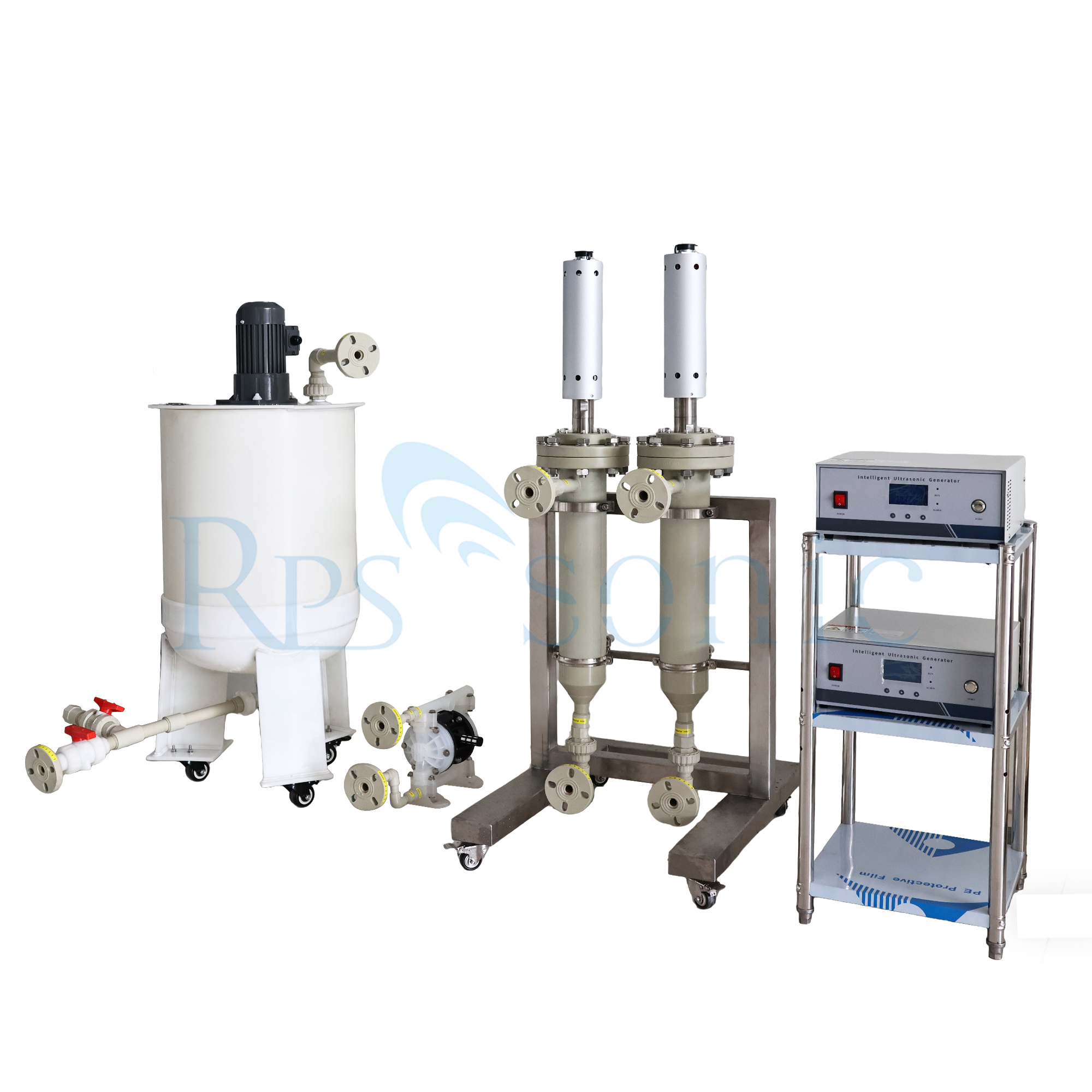
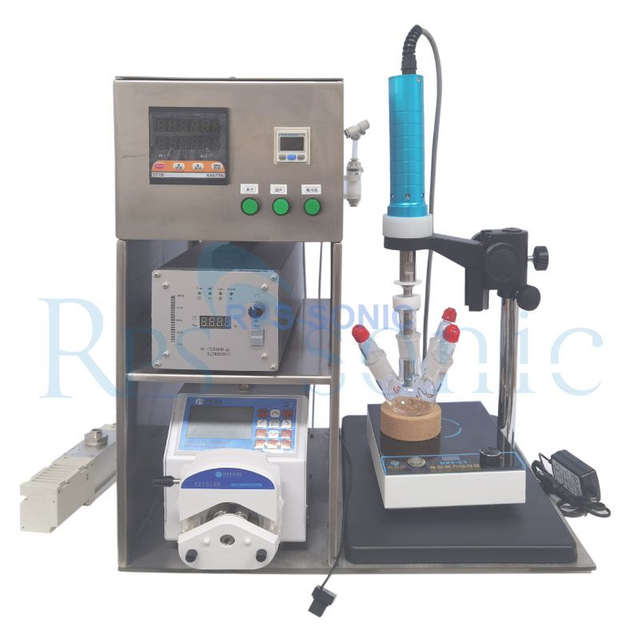
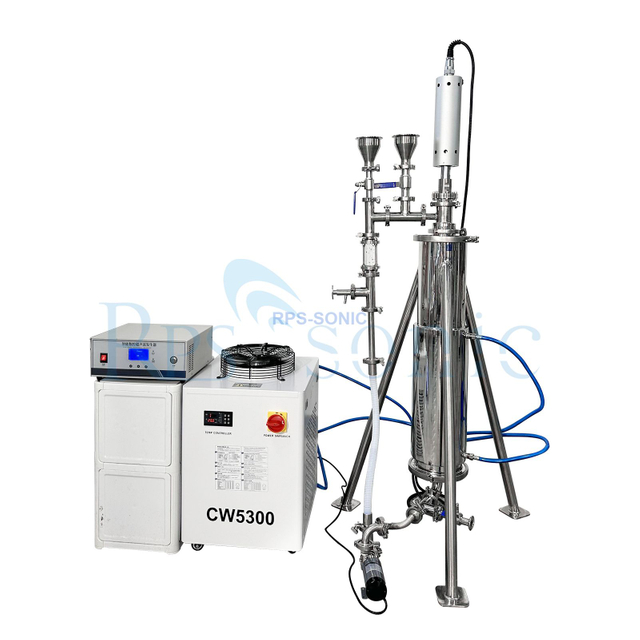
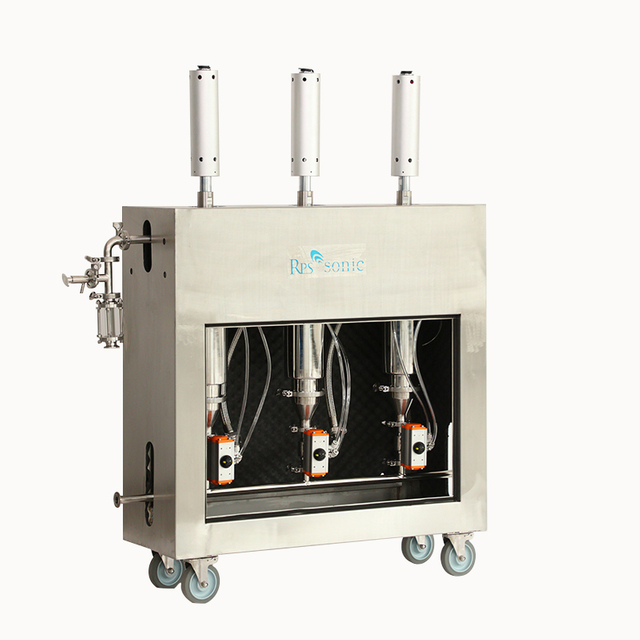
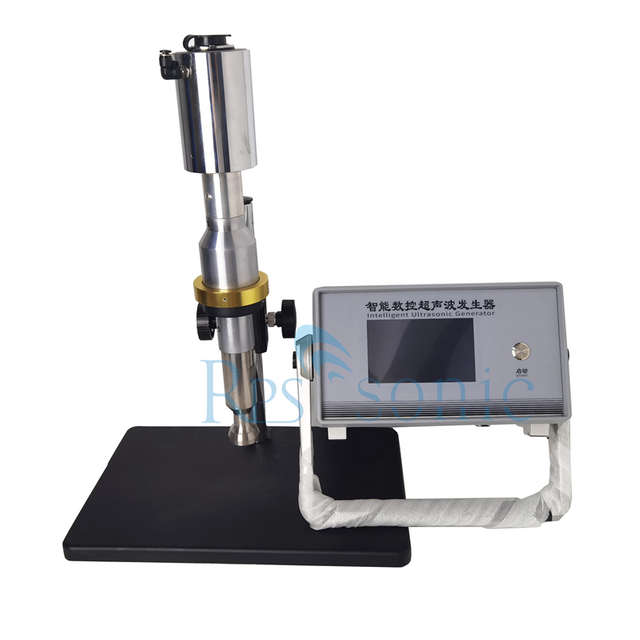
Scale-up Methods: Laboratory use typically employs probe-type (immersion) ultrasonic equipment, which offers high intensity but small throughput. Industrial applications often utilize flow-through (pipeline) or ultrasonic-assisted extraction tanks, combining multiple transducers to achieve ton-scale throughput.
Thermal Effect Control: Prolonged ultrasonic operation can cause solvent temperature rise. While appropriate heating (40-60°C) can sometimes improve polysaccharide dissolution rates, for heat-sensitive components, cooling jackets or intermittent operation are necessary.
Filtration Challenges: Ultrasonic waves thoroughly break down cell walls, generating numerous fine cell fragments. While this increases extraction rates, it also presents greater challenges for subsequent centrifugation or filtration, typically requiring high-precision separation equipment (such as disc centrifuges or membrane filtration).
Cost and Benefits: For high-end medicinal mushroom extracts (such as the cell wall disruption and extraction of Ganoderma lucidum spore powder), ultrasonic extraction is a recognized high-efficiency method. While the equipment investment is higher, it yields higher quality and higher yield products, resulting in significant overall benefits.
In summary, ultrasonic mushroom extraction is a modern extraction technology that utilizes the mechanical force generated by acoustic cavitation to efficiently break down mushroom cell walls, thereby obtaining active ingredients such as polysaccharides and triterpenes at low temperatures, rapidly, and with high yields. It is particularly suitable for processing high-value medicinal mushrooms or preparing high-quality functional food ingredients. However, when implementing it industrially, it is necessary to properly address the issues of large-scale exothermic reactions and subsequent solid-liquid separation.