What Is Ultrasonic Juice Homogenization Technology?
Views: 83 Author: Site Editor Publish Time: 2026-05-28 Origin: Site
What Is Ultrasonic Juice Homogenization Technology?
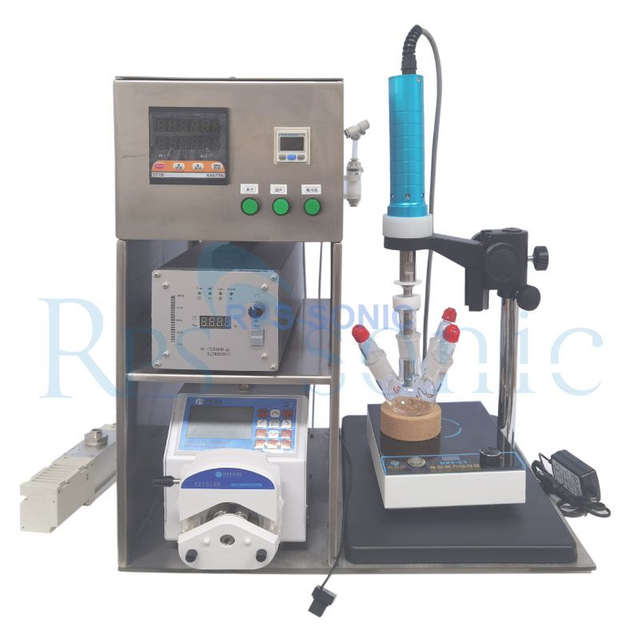
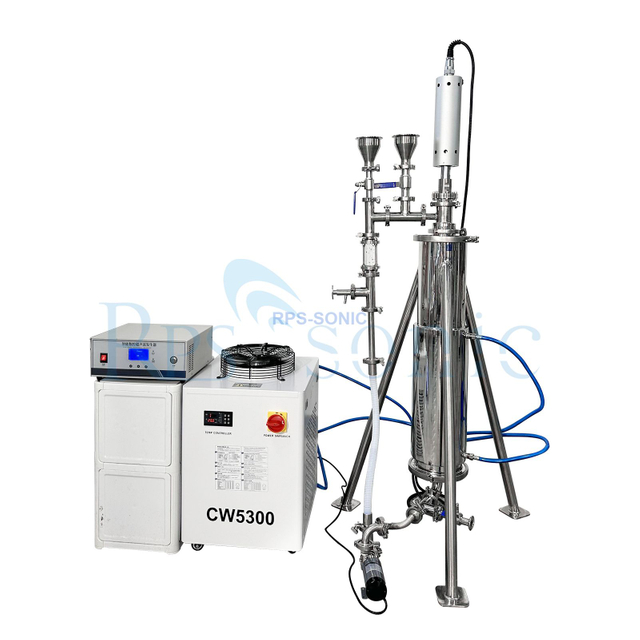
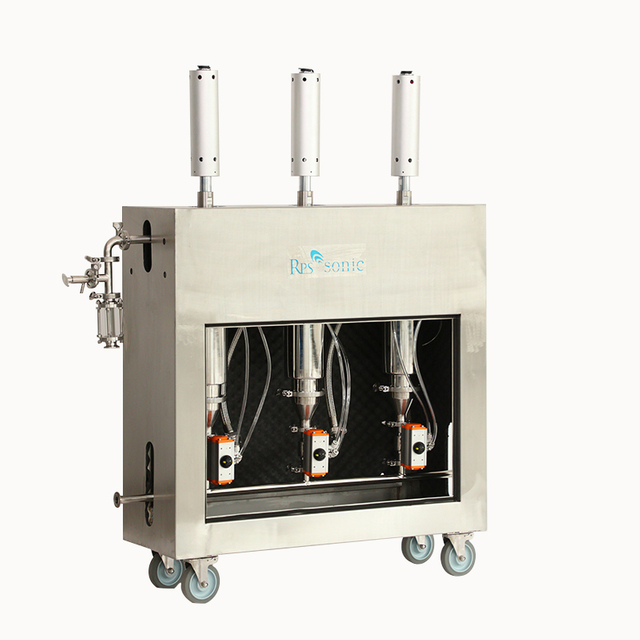
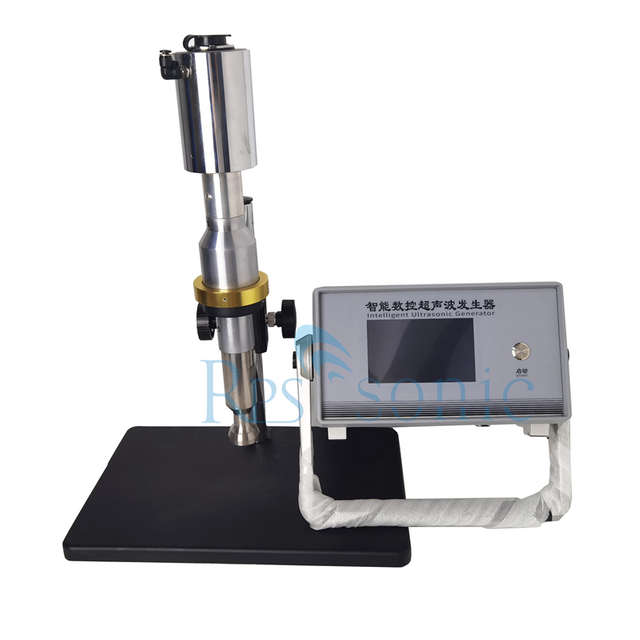
Ultrasonic juice homogenization technology utilizes the cavitation effect generated by high-intensity ultrasound in liquids to refine particles and droplets in juice, thereby improving juice stability and taste.
This is a highly efficient, green, and non-thermal food processing technology that has become an important method in the juice processing industry.
Working Principle: Based on the Cavitation Effect
The core of the ultrasonic homogenizer lies in its cavitation effect. When high-intensity ultrasound (typically above 20kHz) propagates in juice, it alternates between high and low pressure within the liquid. During the low-pressure phase, numerous tiny vacuum bubbles form in the juice. These bubbles then rapidly implode and rupture during the subsequent high-pressure phase. This process generates:
Physical Shear Force: The instantaneous bursting of bubbles generates strong shock waves and microjets, creating powerful shear forces sufficient to break down fruit pulp particles and oil droplets in the juice into micron or even nanometer-sized particles.
Local High Temperature and High Pressure: The focal point of bubble bursting generates instantaneous localized high temperatures (up to 5000℃) and high pressures (up to 1000 atmospheres), which helps to break down cell walls, releasing internal flavors and nutrients. Core Technical Parameters
To achieve ideal homogenization, the following key parameters need to be precisely controlled:
Ultrasonic Frequency: Primarily affects the size of cavitation bubbles. Juice homogenization typically uses lower-frequency ultrasound (20-100 kHz) to generate a stronger cavitation effect.
Ultrasonic Power and Amplitude: Power determines the intensity of the cavitation effect. Higher power generates stronger shear forces, resulting in more significant particle refinement. In laboratory-scale strawberry juice homogenization studies, 750W of power is commonly used.
Processing Time: Directly affects the homogenization effect. Studies have shown that ultrasonic treatment of strawberry juice for 2 minutes and 8 minutes yields very similar particle refinement effects.
Comprehensive Effects: Beyond Homogenization
Besides physical particle refinement, ultrasonic treatment brings a series of other benefits to juice:
Improved Stability and Prevention of Segregation: Refined particles and oil droplets are more stable and less prone to aggregation, effectively preventing stratification and sedimentation. Simultaneously, ultrasound promotes the release of natural stabilizers such as pectin from the cell matrix, increasing the viscosity and physical stability of the juice.
Flavor and Nutrient Release:The cell-wall breaking effect of ultrasound releases natural sugars, vitamins (such as vitamin C), and antioxidants (such as anthocyanins and polyphenols) from within cells, enhancing the taste and nutritional value of the juice.
Color Enhancement: Natural pigments within cells (such as carotene and anthocyanins) are released after ultrasound treatment, and the particles become smaller, better scattering light, resulting in a richer and more vibrant juice color.
Aided Sterilization and Enzyme Inactivation: The physical destructive force generated by cavitation can disrupt the cell structure of microorganisms and inactivate enzymes that cause juice spoilage (such as polyphenol oxidase, PPO), thereby extending the shelf life of the juice.
Main Application Scenarios: Ultrasonic homogenization technology, due to its ability to achieve efficient processing at lower temperatures, is ideal for juices rich in heat-sensitive components, especially:
Heat-Sensitive and Flavorful Juices:For tropical fruit juices such as orange and mango juice, it avoids the flavor loss and vitamin C destruction that can occur with traditional high-temperature homogenization, achieving a vitamin C retention rate of over 90%.
Vitamin C Retention Rate:High-Nutritional-Value Fruit Juices: For berry-based juices such as strawberry and blueberry juice, it can effectively improve the physical stability of the juice without significantly degrading heat-sensitive active ingredients such as anthocyanins and vitamin C.
Plant-Based Beverages and Blended Juices: In the development of products such as lily juice, lotus seed juice, and carrot blended juice, ultrasonic technology has been proven to effectively improve the rheological properties and suspension stability of the products.
Ultrasonic juice homogenization technology, with its unique advantages of low temperature, high efficiency, and preservation of nutrients and flavor, plays an increasingly important role in high-end juice processing.