Views: 83 Author: Yvonne Han Publish Time: 2026-03-20 Origin: Site
What Is The Difference of UIT Mahicne?
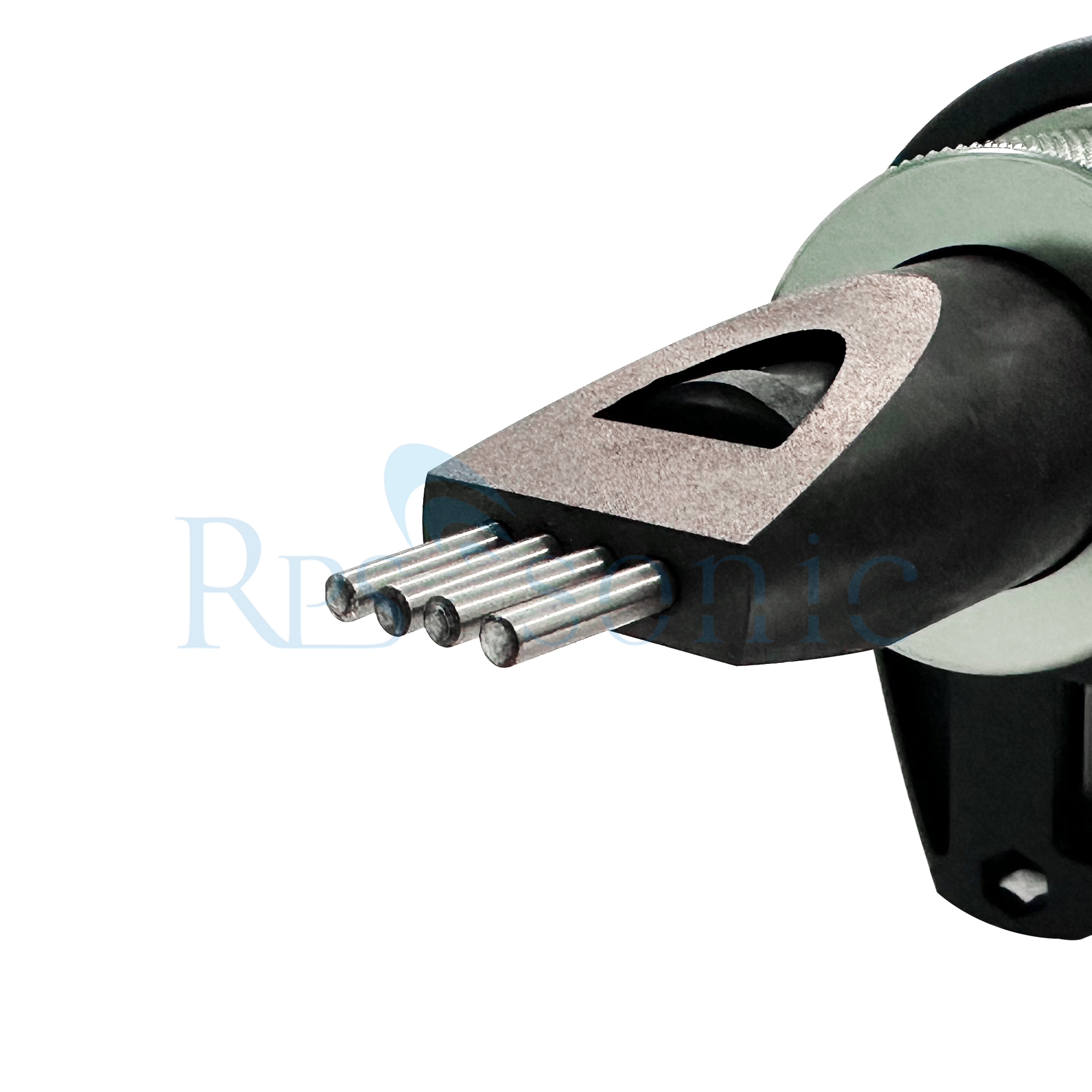
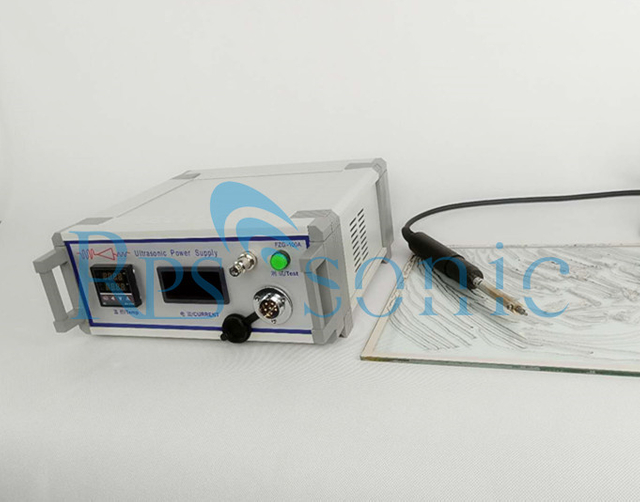
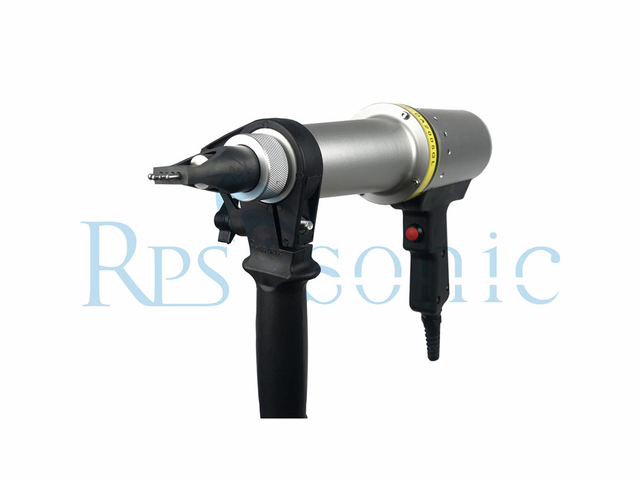
Ultrasonic stress relief equipment, more commonly known as ultrasonic impact equipment in the industrial field, is an advanced process equipment that uses high-frequency ultrasonic energy to improve the performance of metal workpieces, especially welded areas.
Its working principle, core value, and application scenarios are summarized below:
How does it work?
The core working principle of ultrasonic impact equipment can be summarized as "stress relief through vibration." It achieves stress relief and strengthening through the following steps:
Energy Conversion: The ultrasonic generator of the equipment converts ordinary electrical energy into a high-frequency (usually around 20kHz) electrical signal.
Mechanical Vibration: This electrical signal drives the transducer to generate mechanical vibration at the same frequency.
High-Frequency Impact: The vibration is amplified by an amplitude transformer and transmitted to the impact head at the end. The impact head strikes the metal surface at a high speed of 20,000 to 30,000 times per second.
Effects:
* **Change in Stress Field:** The high-energy impact causes compressive plastic deformation in the metal surface, converting the originally harmful tensile residual stress into beneficial compressive stress.
* **Improved Microstructure:** The metal grains in the impacted area are refined, and the surface hardness and strength are significantly improved.
Optimizes macroscopic morphology: Simultaneously, it smooths weld edges (weld toes), reduces stress concentration, and eliminates micro-cracks and defects on the surface.
Core advantages and effects: Compared with traditional thermal aging or vibration aging, ultrasonic impact equipment has significant advantages.
Advantage Dimension
Specific effects
Data
stress relief
Efficient elimination of welding residual stress
The elimination rate can reach 80% to 100%.
Improve fatigue life
Significantly enhance the fatigue resistance of the welded joint
The fatigue strength is increased by 50% to 120%, and the fatigue life is extended by 5 to 100 times.
Enhance corrosion resistance
Enhance the resistance of metals in corrosive environments
The corrosion resistance can be enhanced by approximately 400%.
Technology and Cost
Portable, flexible, environmentally friendly, and low-cost
The equipment is compact and portable, allowing it to be carried around. It is not restricted by the venue. Its energy consumption and cost are much lower than those of thermal aging.
Main application fields
Due to these advantages, ultrasonic impact equipment is widely used in fields where safety and reliability are of utmost importance:
Major projects: Shipbuilding, marine engineering, bridge construction, pressure vessels and oil pipelines.
Transportation: Railways (such as locomotives and vehicles, side frames of bogies), automobiles, heavy construction machinery, armored vehicles - 2-6.
High-end manufacturing: Aerospace (processing high-precision thin-walled parts, engine components), Nuclear energy industry - 5.
Other fields: Wind turbines, mining machinery, chemical equipment, etc.
The difference from "vibration aging"
In practical applications, there is a concept that is prone to be confused with ultrasonic impact, and that is "vibration aging". There are significant differences between them.
Comparison dimension
Ultrasonic stress relief (ultrasonic impact)
vibration aging
operating principle
High-frequency (approximately 20 kHz) ultrasonic waves impact the surface of the metal.
Low-frequency (less than 167Hz) resonance is achieved by applying dynamic stress to cause microscopic yielding of the material.
process object
Local treatment: Mainly targeted at key areas such as weld seams and weld toes.
Overall processing: Carried out for the entire workpiece
main purpose
Eliminating tensile stress and introducing compressive stress significantly enhances the fatigue strength and service life of the joint.
Homogenize and reduce residual stress, ensuring the dimensional stability of the workpiece.
Effect Characteristics
Highly targeted, with remarkable effects, it can fundamentally improve the performance of weld seams.
The processing efficiency is high and it can be carried out in batches. However, the effect is not as profound as that of an in-depth impact.
In simple terms, if the goal is to completely transform a critical weld seam and make it extremely strong and durable, then ultrasonic impact is the preferred method; if the goal is to release the overall stress of a large workpiece and prevent deformation after processing, then vibration aging is more suitable.