Ultrasonic Technology Assisting Alfalfa Leaf Chlorophyll Extraction: Principles, Advantages And Application Prospects
Alfalfa (Medicago sativa L.) is a high-quality forage resource rich in plant protein, vitamins, minerals, and natural pigments. Chlorophyll, as an important natural green pigment, has antioxidant, nutritional fortification, and natural coloring value, and is widely used in the food, health product, cosmetic, and natural dye industries.
Traditional chlorophyll extraction methods typically employ organic solvent extraction and reflux heating, but these methods suffer from problems such as long extraction times, high energy consumption, large solvent consumption, and degradation of some active ingredients. In recent years, **Ultrasound-Assisted Extraction (UAE) technology** has been widely applied in the extraction of plant active ingredients due to its high efficiency, low-temperature operation, and environmental friendliness. Studies have shown that ultrasound technology can effectively disrupt alfalfa cell structure, improve chlorophyll release efficiency, and achieve rapid, efficient, and green extraction.
1. Chlorophyll in alfalfa and its value
Alfalfa leaves are rich in chlorophyll, mainly including:
Chlorophyll a
Chlorophyll b
Chlorophyll gives plants their green color and participates in photosynthesis. In the food and health industry, natural chlorophyll and its derivatives have the following application values:
(1) Natural food colorants
Chlorophyll and sodium copper chlorophyllin (Sodium Copper Chlorophyllin) can be used as natural green pigments for:
Beverages, confectionery, dairy products, plant nutritional foods, functional foods
Compared with artificial pigments, natural sources of chlorophyll are more in line with consumers' needs for "Clean Label" products.
2) Health products and nutritional products
Alfalfa chlorophyll extract typically contains:
Antioxidants, polyphenols, carotenoids, phytonutrients
Can be applied to:
Green superfood powder, plant nutritional supplements, dietary fiber products
(3) Cosmetic applications
Due to its natural plant origin, chlorophyll extract can be used for:
Antioxidant skin care products, plant essence products, natural beauty formulas
2. How does ultrasound promote the extraction of alfalfa chlorophyll?
The core role of ultrasonic-assisted extraction comes from the ultrasonic cavitation effect (Ultrasonic Cavitation).
When high-frequency ultrasonic waves (usually around 20 kHz) act on liquid media, a large number of tiny bubbles will be generated. These bubbles continuously form, expand and collapse rapidly, producing localized:
High temperature, high pressure, micro jet, strong shear force
These functions can:
① Destroy plant cell walls
Chlorophyll in alfalfa leaves mainly exists in the chloroplast membrane structure.
Traditional soaking method:
Solvents can only penetrate plant tissue slowly → extraction speed is slow
Ultrasonic effect:
Cavitation shock destroys cell structure → promotes rapid release of chlorophyll
② Enhance solvent penetration ability
Ultrasound-generated microjets can:
Increase the contact area between plant particles and solvents
Accelerate the diffusion of internal substances
Improve mass transfer efficiency
Therefore, the extraction time can be significantly shortened.
③ Reduce extraction temperature
Chlorophyll is more sensitive to high temperatures.
Traditional heating extraction:
higher temperature
Can easily lead to color loss
Loss of active ingredients
Ultrasound-assisted extraction:
Can operate at lower temperatures
Reduce thermal degradation
Better to maintain natural ingredients
Advantages of ultrasonic extraction compared to traditional methods
Comparison project Traditional extraction Ultrasound-assisted extraction
Extraction time Several hours or more 15–60 minutes
Temperature higher low temperature operation
Energy consumption higher lower
More solvent usage can be reduced
Extraction efficiency is generally higher
Industrial amplification requires large equipment and is easy to be serialized
3. Industrial ultrasound equipment solution
For commercial production of alfalfa chlorophyll, you can use:
Small trial development stage
Equipment:
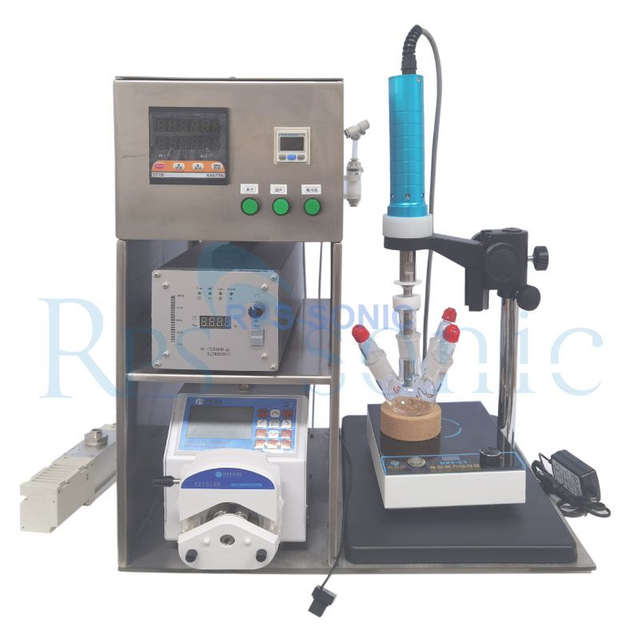
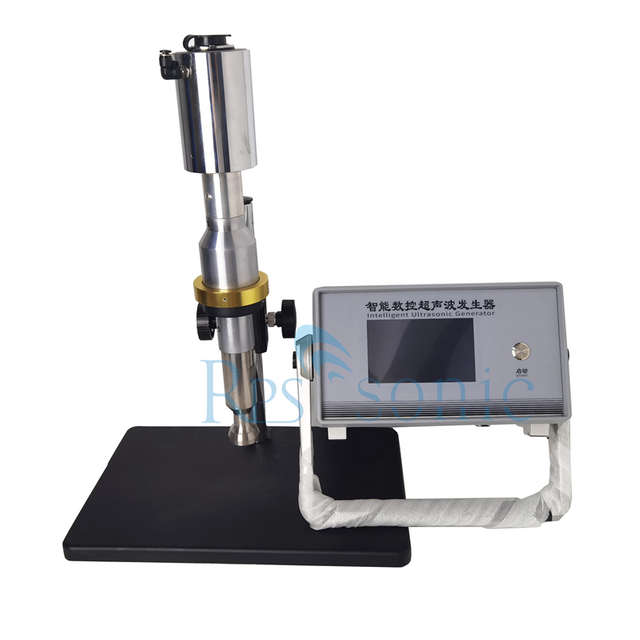
Laboratory ultrasonic extraction system
Applies to:
Formula development, process optimization, sample testing
Capacity:
1L–10L
Pilot production stage
Equipment:
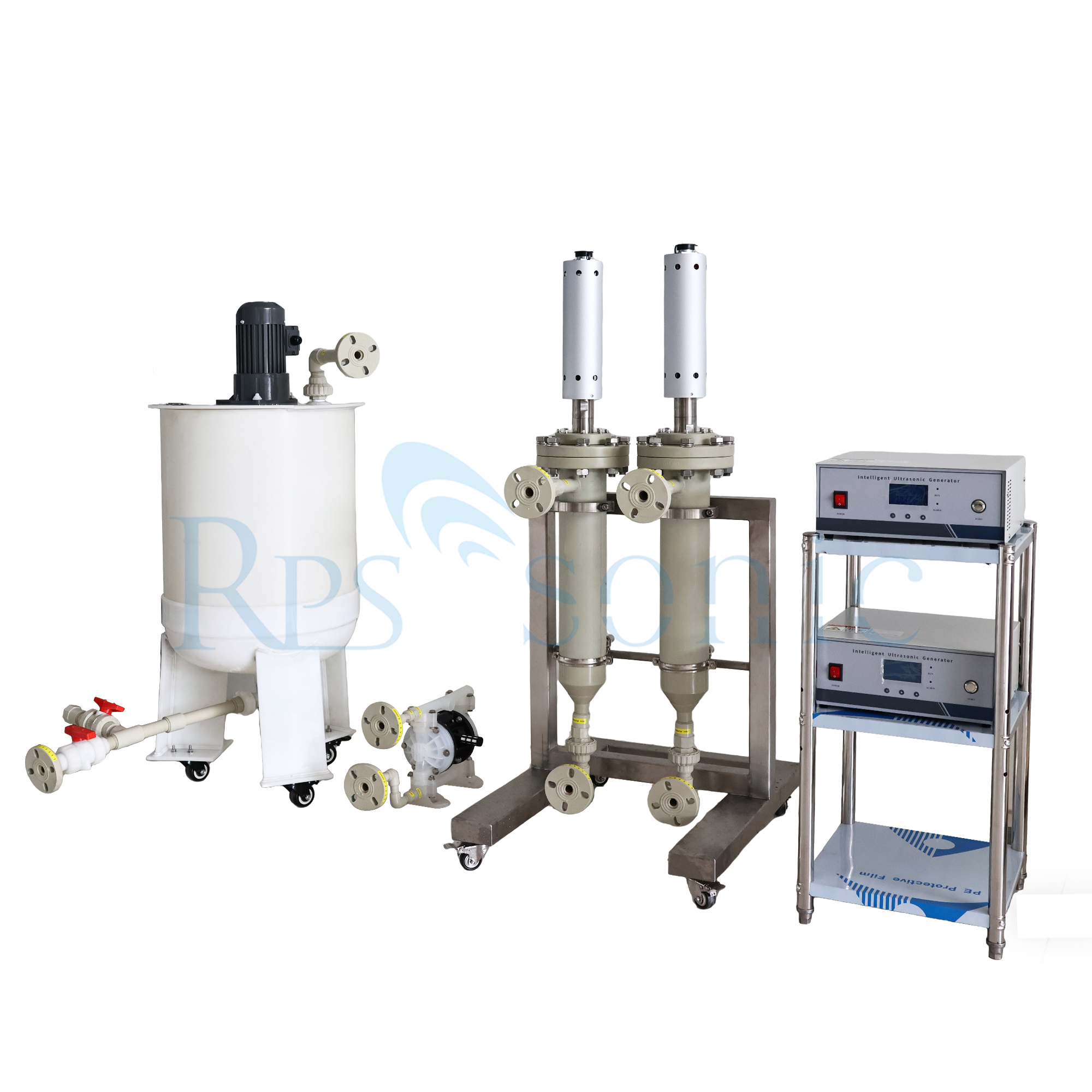
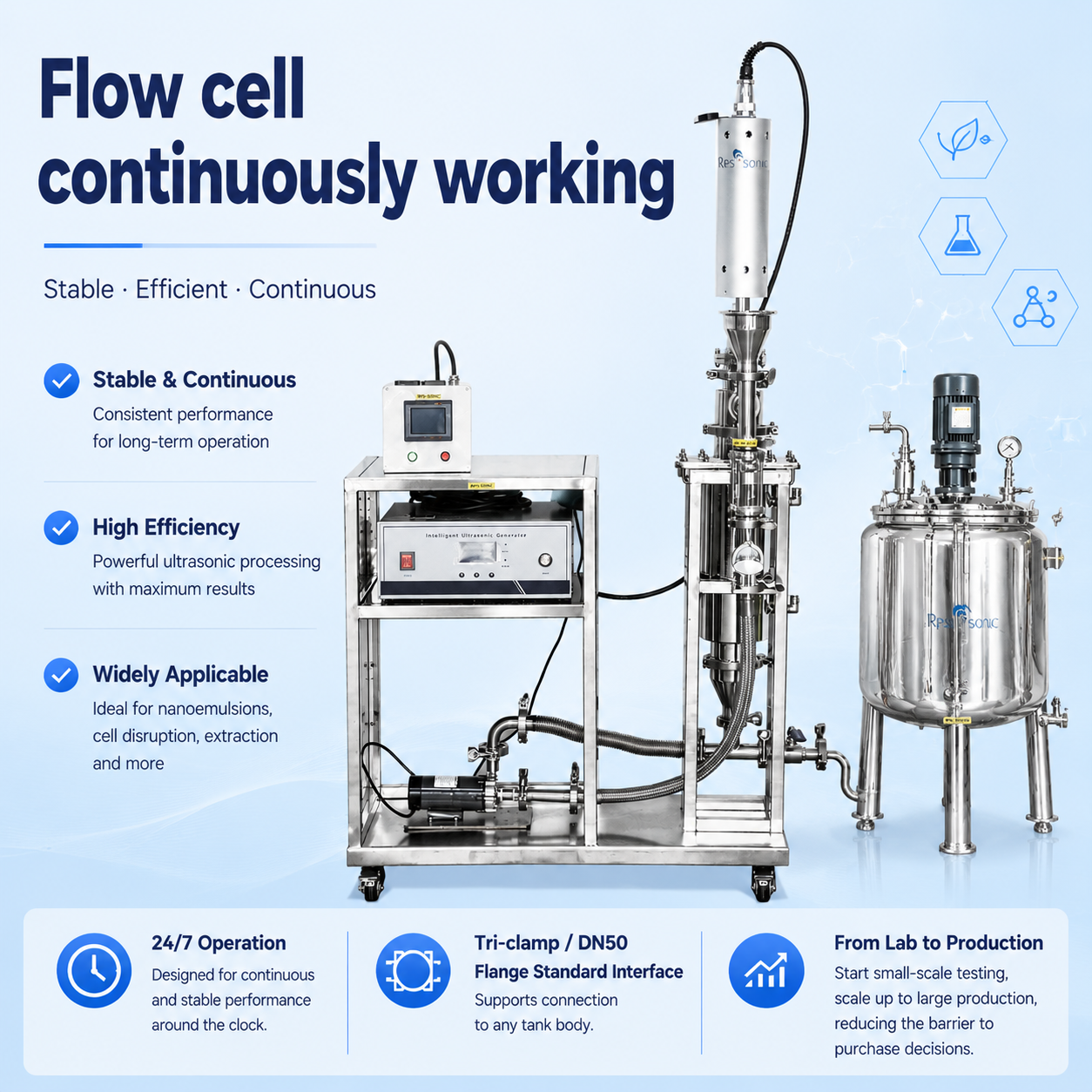
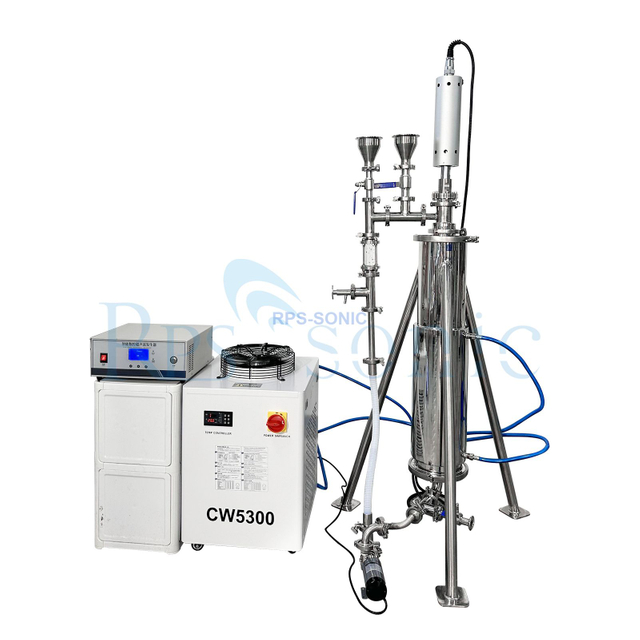
Ultrasonic flow-through extraction system
Features:
Continuous feeding, stable output, automatic temperature control, can be connected to cooling cycle
Capacity:
20L–100L
industrial production stage
Equipment:
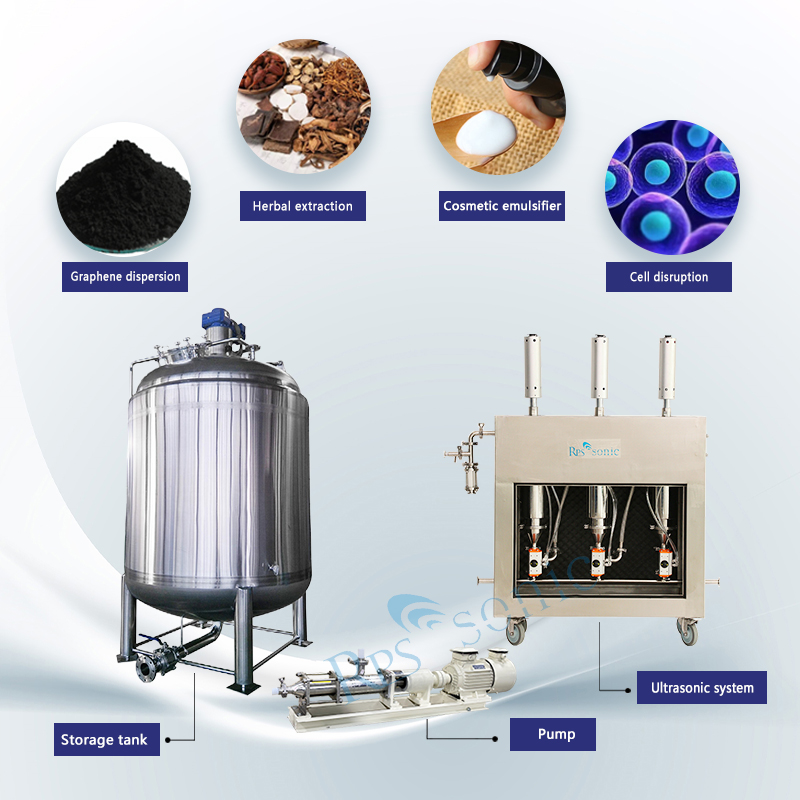
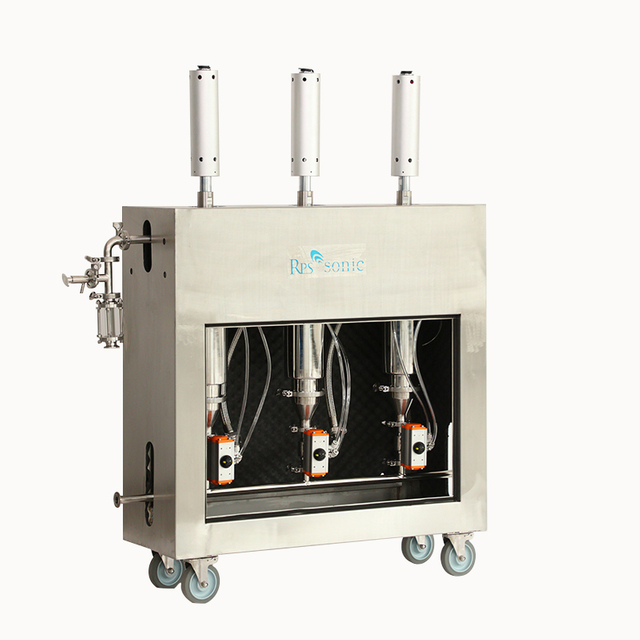
Large ultrasonic plant extraction production line
Application:
Alfalfa chlorophyll, spirulina pigment, seaweed extract, plant active ingredients
Production scale:
500L or more
4. Development prospects of ultrasonic extraction of alfalfa chlorophyll
As the global natural plant extract market grows, consumers are increasingly paying attention to:
natural source
clean label
green processing
High nutritional value
Alfalfa, as a resource-rich and low-cost plant raw material, has great development potential.
Ultrasonic technology can help companies:
✅ Improve chlorophyll extraction rate
✅Shorten production cycle
✅ Reduce energy consumption
✅ Reduce solvent usage
✅ Achieve continuous industrial production
In the future, ultrasound-assisted extraction technology will be used in:
Natural pigment production
Plant Nutrients
functional food
Phytomedicine Extraction
play a more important role in other fields.
Conclusion
Ultrasonic technology can be used to extract chlorophyll from alfalfa, and it offers significant advantages over traditional extraction methods.
Through the ultrasonic cavitation effect, the cell structure of alfalfa can be effectively disrupted, accelerating chlorophyll release, improving extraction efficiency, and simultaneously reducing temperature and energy consumption. For companies looking to develop natural green pigments, plant-based nutritional products, and functional foods, ultrasonic-assisted extraction is a commercially viable modern production technology.
In the future, combining ultrasonic flow-through extraction equipment, automatic temperature control systems, and continuous production processes, alfalfa chlorophyll extraction is expected to achieve larger-scale industrial applications with higher efficiency and lower costs.