Ultrasonic Processing of Honey - Industrial Production
Views: 87 Author: Site Editor Publish Time: 2026-03-13 Origin: Site
Ultrasonic processing of honey - industrial production
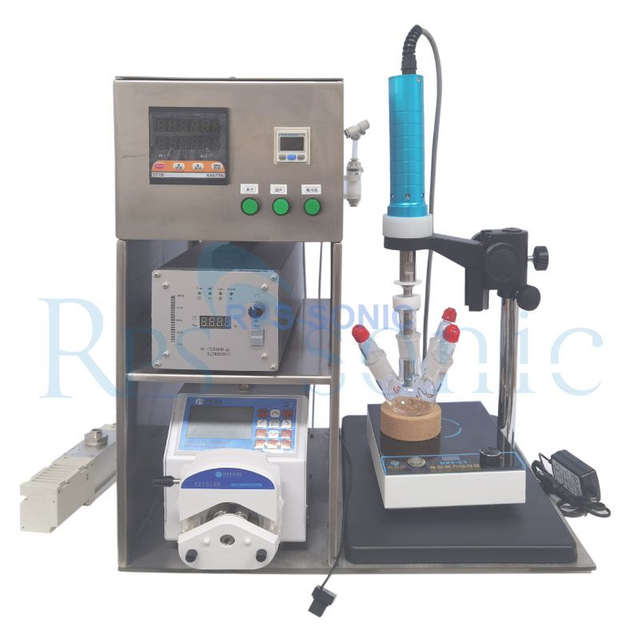
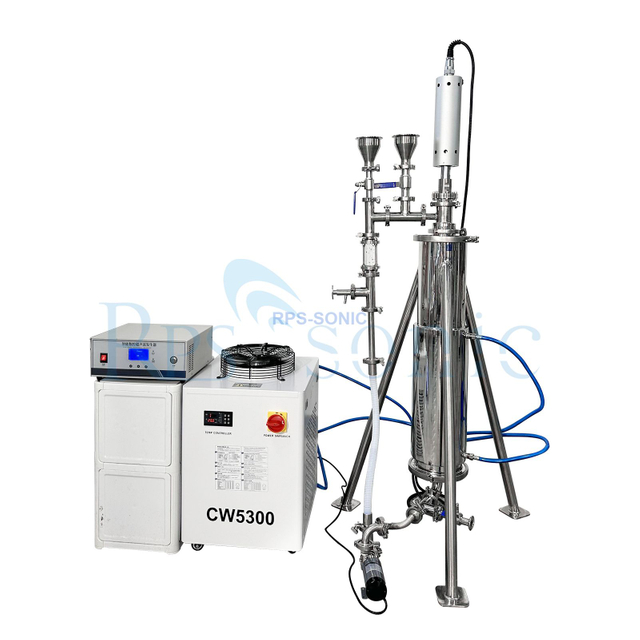
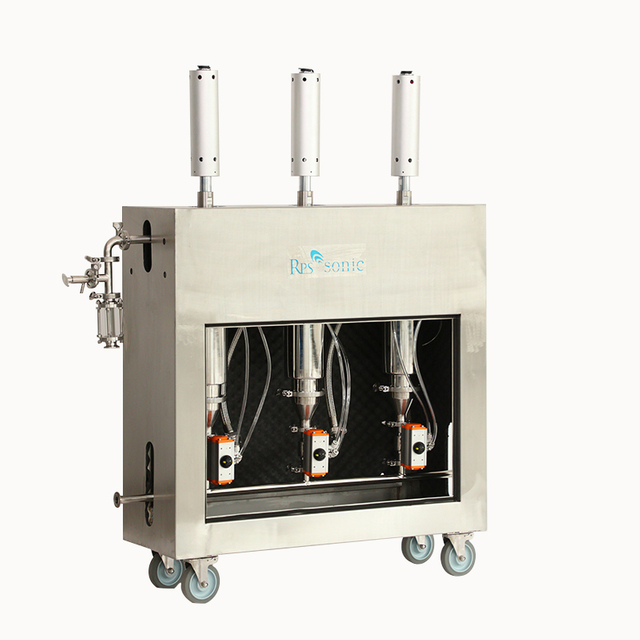
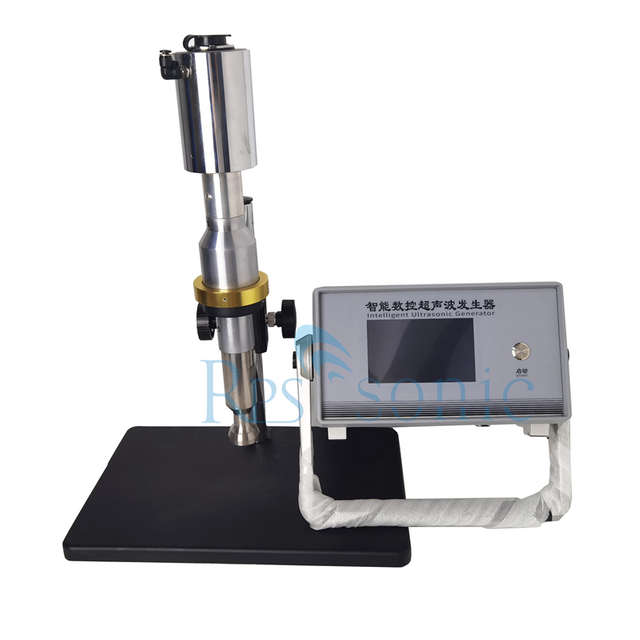
To address the needs of industrial production and solve the honey crystallization problem using ultrasonic technology, the key is to select the right equipment type and process flow. Currently, there are two main mature industrial solutions. I've compiled a comparison table to help you quickly understand their differences:
characteristic
Option 1: Dedicated Industrial Ultrasonic Processing System
Honey melting tank or crystal nucleus breaking device with ultrasonic generator
Princeple
Utilizing a continuous processing method, the honey undergoes instantaneous decrystallization and sterilization as it flows through the ultrasonic reaction chamber.
Batch processing is employed, with homogenization and activation achieved through ultrasonic-assisted heating within the honey melting tank.
Advantage
Extremely high processing efficiency, seamlessly integrated into existing production lines; purely physical, low-temperature process, maximizing the preservation of enzyme activity and honey flavor.
The structure is relatively simple, and the investment cost may be lower; in addition to breaking crystal nuclei, it can also be combined with functions such as filtration and temperature control.
Potential limitations
The equipment is highly specialized, and the initial investment is relatively large.
The processing efficiency is lower than that of continuous equipment, and temperature control needs to be more precise.
Key technical parameters
The frequency is typically around 20 kHz; the power can reach several kilowatts, ensuring industrial production capacity.
The frequency range is mostly 20 kHz; the power depends on the size of the tank.
Solution Selection and Key Recommendations
Both solutions are feasible; the key is matching them to your specific production scenario:
How to Choose a Solution?
If your production scale is large, you pursue high efficiency, automation, and continuous online production, and you have extremely high requirements for honey quality (such as enzyme activity), then Solution 1 (dedicated industrial ultrasonic system) is the more ideal choice. It ensures rapid processing at low temperatures, preventing the formation of harmful substances such as hydroxymethylfurfural (HMF) in honey due to traditional heating.
If you are a small to medium-sized producer, or wish to upgrade your existing batch production line, then Solution 2 (honey melting device integrated with ultrasound) is more flexible and cost-effective. It can simultaneously homogenize and activate honey using ultrasound, improving efficiency.
Key Parameters and Validation Points
Frequency Selection: For honey crystal nucleus breaking, 28 kHz - 40 kHz is a commonly used frequency range in research, which you can use as an important reference for equipment selection.
Power and Capacity: Industrial equipment typically has a power of 3 kW or more. When selecting a supplier, ensure they provide a specific power configuration plan based on your hourly processing capacity (tons/hour).
Temperature control: This is the lifeline for maintaining honey quality. Regardless of the chosen solution, ensure the equipment has a precise temperature control system, keeping the processing temperature below 40℃ to prevent damage to active enzymes.
Small-scale testing is crucial: Before finalizing a large-scale purchase, it is strongly recommended that you send some honey samples to the equipment supplier for actual testing. Different honey varieties (such as acacia honey and rapeseed honey) have different crystallization characteristics and optimal processing parameters.
Supplier evaluation: Prioritize suppliers with experience in food industry applications, especially honey processing cases, and confirm that their equipment has relevant sanitary certifications (such as CE).