Ultrasonic plant essential oil extraction technology
Ultrasonic plant essential oil extraction technology utilizes the cavitation effect and other physical actions of ultrasound to efficiently and at low temperatures break down plant cell walls, thereby accelerating the release of essential oils. Compared to traditional methods, it significantly improves efficiency and protects heat-sensitive components, making it a green technology in the essential oil production field.
Technical Principle: More Than Just "Vibration"
The core of this technology lies in several special physical effects generated by ultrasound in liquids:
Cavitation Effect: This is the most crucial effect. High-frequency ultrasound forms countless tiny vacuum bubbles in the extraction solvent. When these bubbles rapidly collapse, they generate powerful shock waves, high-speed microjets, and localized high temperatures and pressures. This force effectively breaks down plant cell walls, allowing the essential oils previously trapped within the cells to be released smoothly into the solvent.
Mechanical Effect: The vibration of ultrasound itself also enhances the penetration and permeation of the solvent into plant tissues, promoting the dissolution and diffusion of substances within the cells.
Thermal Effect: Part of the ultrasound energy is converted into heat energy, which can appropriately increase the solvent temperature and accelerate the extraction process.
Through the synergistic effect of these three effects, ultrasound achieves highly efficient essential oil extraction.
Technical Advantages and Comparison
Compared to traditional steam distillation, pressing, or organic solvent extraction methods, ultrasonic-assisted extraction offers significant advantages:
High extraction rate and outstanding efficiency: It significantly improves the yield of essential oils. For example, ultrasonic pretreatment combined with steam distillation can achieve a clove essential oil yield of 8.62%; the extraction rate of eucalyptus leaf essential oil can reach 7.54%; and the extraction rate of trichosanthes seed volatile oil is as high as 9.24%. For the "ultrasonic-subcritical coupling extraction process" of rosemary and peppermint, the oil yield can reach 12.1%-12.4%.
Short extraction time: It can shorten the traditional extraction process of several hours to less than one hour. For example, the optimal ultrasonic time for tobacco essential oil is only 50 minutes, and for lavender essential oil, it is 30 minutes.
Protection of heat-sensitive components:
The extraction process can be carried out at low temperatures (such as 30-60℃), effectively protecting the precious components in the essential oil that are easily decomposed by heat.
Enhanced product quality: It can better preserve the natural aroma and active ingredients of the essential oil. For example, the retention rate of key aroma components in rose essential oil can be increased by 25%.
Green and Environmentally Friendly: As a physical method, it can significantly reduce the use of organic solvents and energy consumption. Equipment using surface acoustic wave (SAW) atomization technology can even completely eliminate solvent residue.
Key Process Parameters: Extraction efficiency is affected by various factors and requires experimental optimization.
Ultrasonic Power: A key influencing factor. Too low a power will result in poor effects, while too high a power may damage the components. Common ranges range from 70W in the laboratory to 0-5kW in industrial applications.
Ultrasonic Frequency: Common frequencies include 20kHz, 28kHz, and 40kHz. Different raw materials may require different frequencies.
Extraction Temperature: Typically between 30-60℃. A balance needs to be struck between efficiency and component protection.
Extraction Time: Typically between 20-50 minutes.
Film-to-Liquid Ratio: Refers to the ratio of raw material to solvent; this varies considerably depending on the raw material.
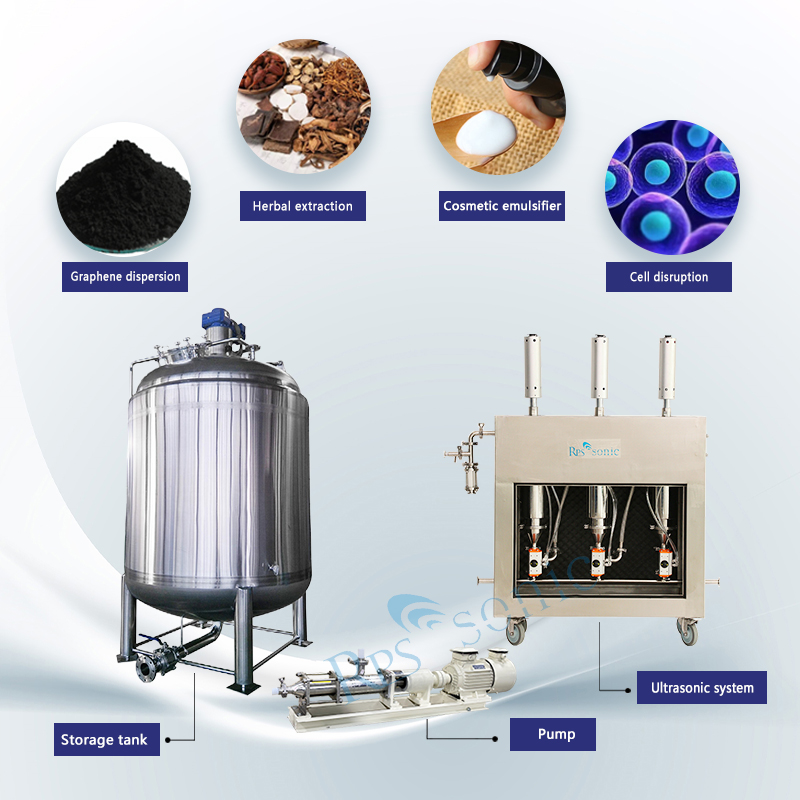
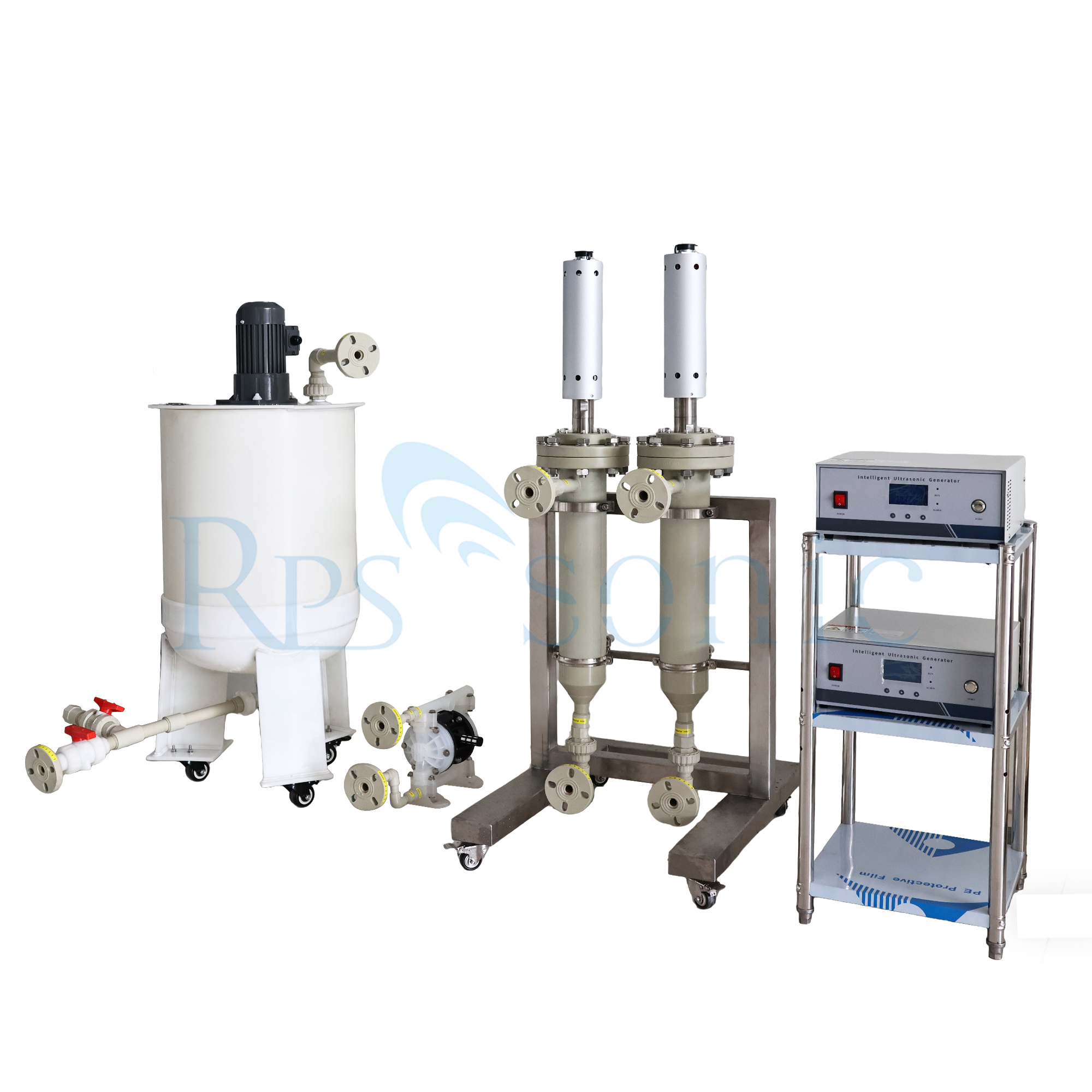
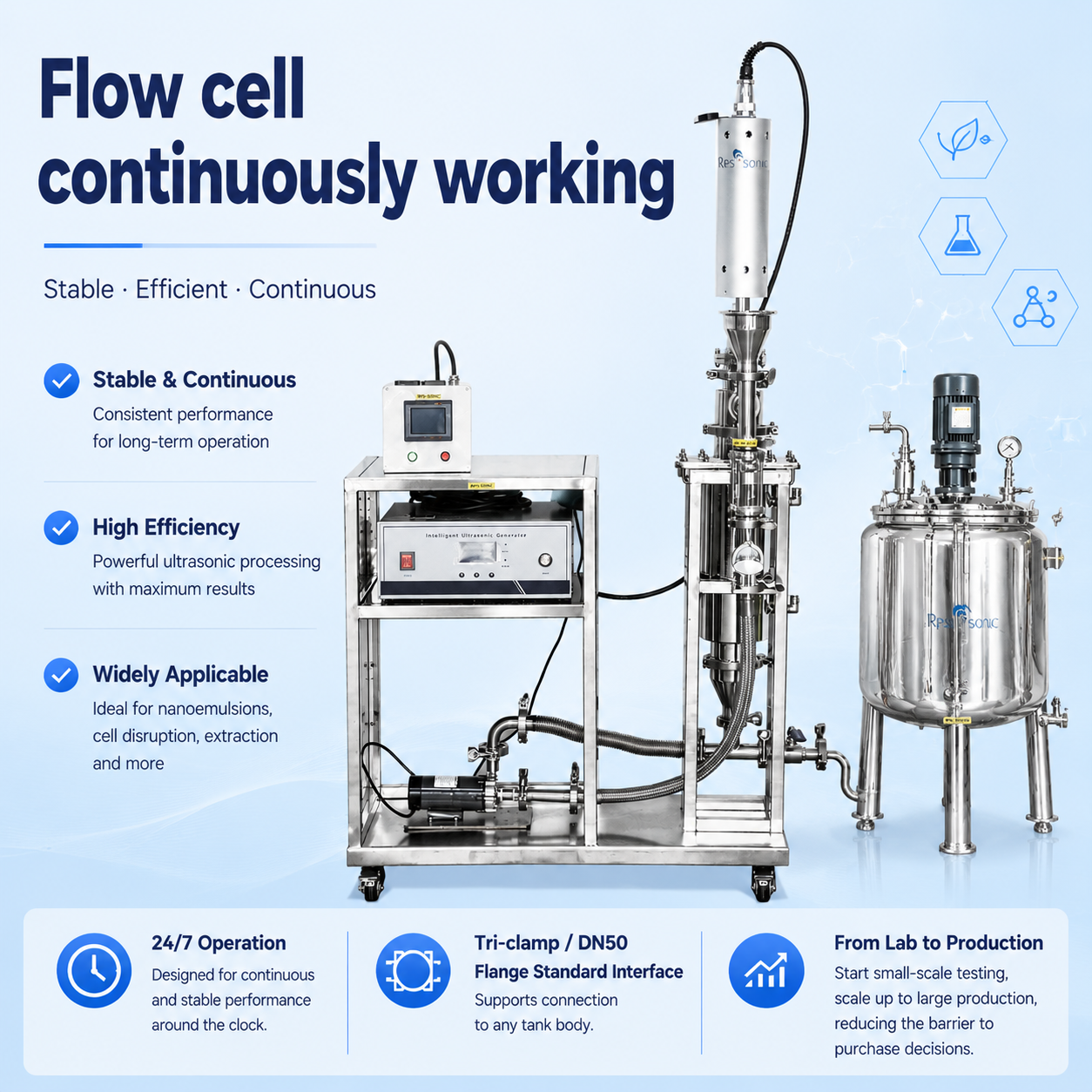
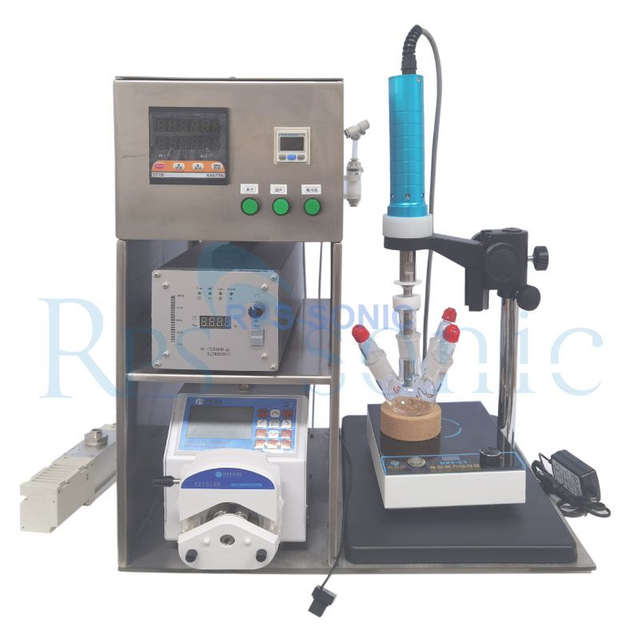
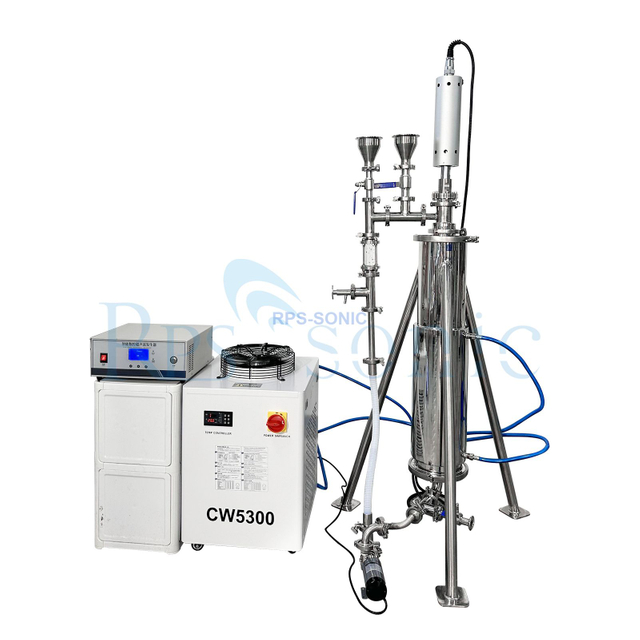
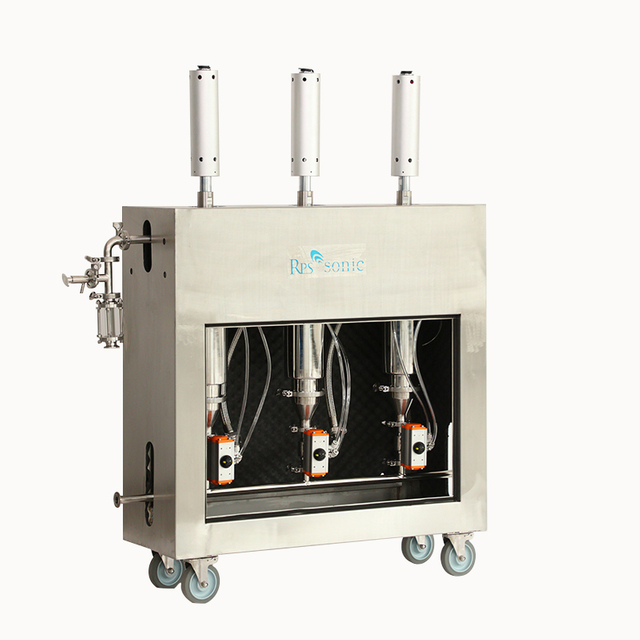
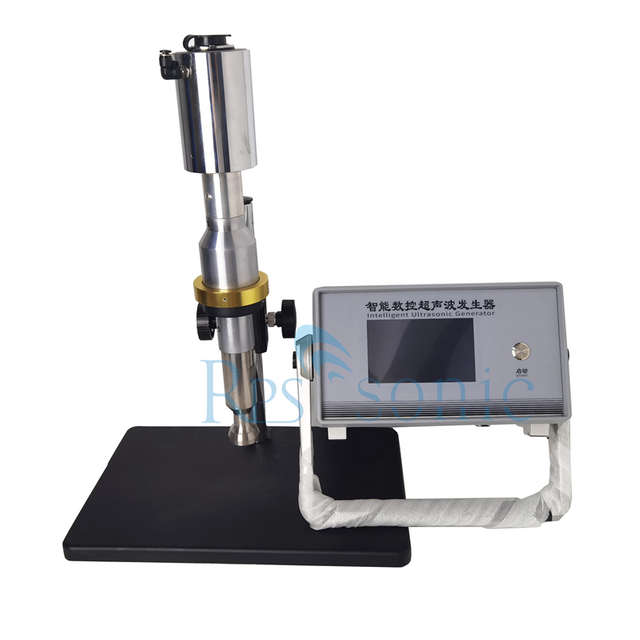
Equipment and Applications: Ultrasonic extraction equipment comes in various types, covering everything from laboratory to industrial production. Laboratory/Pilot-scale Equipment: Typically has a processing capacity of 0.2-5L, used for process research and development.
Pilot-scale/Industrial-scale Equipment: Has a larger processing capacity, such as a 300L stainless steel reactor. Advanced systems enable "one-button" operation, integrating automatic control, circulation, and cooling functions. Optional oil-water separators and condensers can be added to recover aromatic oils.
Application Examples:
Rose and Citrus: Customized systems increased rose essential oil yield by 40%, reduced citrus essential oil extraction time from 4 hours to 1 hour, and lowered energy consumption by 35%.
Tobacco: Under optimal conditions, the average yield of crude extract reaches 3.863%.
Wild Chrysanthemum: Extraction at 30℃ for 30 minutes yields an essential oil yield of 4.3%.
Lilium tigrinum: Under optimal conditions, the essential oil extraction rate reaches 0.565%.
Summary: Ultrasonic plant essential oil extraction technology, with its significant advantages of high efficiency, low temperature, high quality, and environmental friendliness, has become one of the mainstream technologies replacing traditional extraction methods. Whether in laboratory research or industrial production, this technology demonstrates enormous application value and potential.