English



Views: 82 Author: Site Editor Publish Time: 2026-09-09 Origin: Site
Ultrasonic Extraction of Seaweed and Mushroom Biomass: Advanced Technology for Enhancing the Extraction Efficiency of Bioactive Compounds
With the continuous growth of markets for natural active ingredients, functional foods, plant extracts, and biomaterials, there is increasing interest in functional components—such as polysaccharides, proteins, pigments, phenolic compounds, and terpenoids—found in natural biomass like seaweed and mushrooms.
Traditional extraction methods, such as soaking, heating, and mechanical stirring, often require long processing times and suffer from issues like limited mass transfer efficiency, high solvent consumption, and the degradation of heat-sensitive compounds.
**Ultrasonic-Assisted Extraction (UAE)** leverages the cavitation effect generated by high-frequency ultrasonic waves to effectively disrupt or loosen the cellular structure of biomass, facilitating solvent penetration and the release of target components, thereby enhancing extraction efficiency for seaweed and mushroom biomass.
For enterprises seeking higher extraction efficiency, shorter production cycles, and continuous production capabilities, ultrasonic extraction equipment is becoming a vital complement to traditional extraction processes.
I. Why are seaweed and mushrooms suitable for ultrasonic extraction?
Although seaweed and mushrooms belong to different types of biomass, they both possess complex cellular structures.
Common target compounds in seaweed include:
·Seaweed polysaccharides
·Alginates and related polysaccharides
·Algal proteins
·Polyphenols
·Carotenoids
·Chlorophyll
·Minerals and other active substances
Mushrooms contain:
·β-glucans
·Polysaccharides
·Proteins
·Polyphenols
·Ergothioneine
·Triterpenes and other bioactive components
These compounds are typically located inside the cells or within complex cellular matrices.
Relying solely on natural solvent diffusion results in limited rates of solvent penetration into the cells and the outward diffusion of target compounds.
Ultrasonic waves, however, can intensify this process through mechanical vibration and cavitation.
II. How do ultrasonic waves facilitate extraction from seaweed and mushroom biomass?
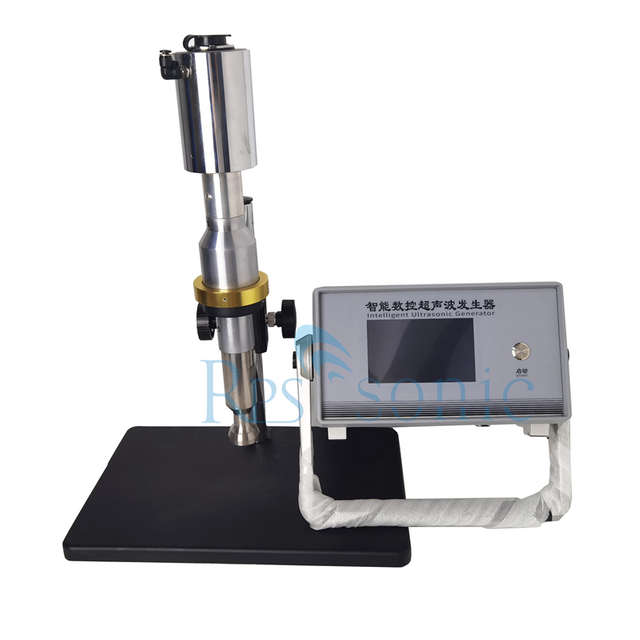
Ultrasonic equipment typically consists of:
Ultrasonic Generator + Transducer + Sonotrode/Horn
The generator produces high-frequency electrical signals, which the transducer converts into mechanical vibration; an ultrasonic probe—made of titanium alloy or other corrosion-resistant materials—then transfers this energy into the material.
When ultrasonic waves act upon a liquid, a large number of tiny bubbles are formed.
These bubbles rapidly form, expand, and undergo instantaneous collapse, generating localized, high-intensity cavitation effects.
This process yields several significant benefits:
1. Disruption of cellular structures
Micro-jets and localized mechanical shocks generated by cavitation weaken cell wall and membrane structures, making it easier for intracellular substances to be released into the solvent.
For pulverized seaweed or mushroom powders, this effect is particularly beneficial for enhancing solid-liquid contact efficiency.
2. Enhanced solvent penetration
Continuous mechanical vibration induced by ultrasound facilitates the penetration of liquid into the biomass particles.
This ensures more thorough contact between the solvent and the target compounds inside the cells.
3. Intensified mass transfer
Traditional extraction relies primarily on diffusion driven by concentration gradients. Ultrasound continuously disrupts the liquid boundary layer, reducing mass transfer resistance and allowing target components to migrate more rapidly from the solid matrix into the liquid phase.
4. Reduced Extraction Time
With appropriate ultrasonic power, temperature, solvent, and processing time, ultrasonic-assisted extraction can typically accelerate the extraction process significantly.
Therefore, for enterprises looking to shorten production cycles, ultrasound can serve as an intensification step for traditional maceration or extraction processes.
From Laboratory to Industrial Production: How to Choose Ultrasonic Equipment?
Different production scales require different equipment configurations.
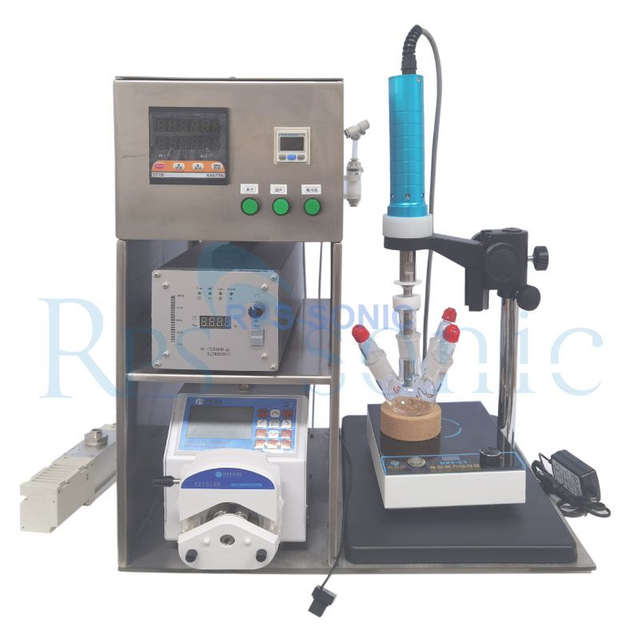
Laboratory R&D
Small-scale probe-type ultrasonic equipment is typically used during the laboratory stage.
Primary applications include:
·Solvent screening
·Ultrasonic power testing
·Optimization of time, temperature, solid-liquid ratio, and particle size
·Analysis of active components
Industrial scale-up follows the determination of optimal parameters through these experiments.
Pilot and Industrial Production
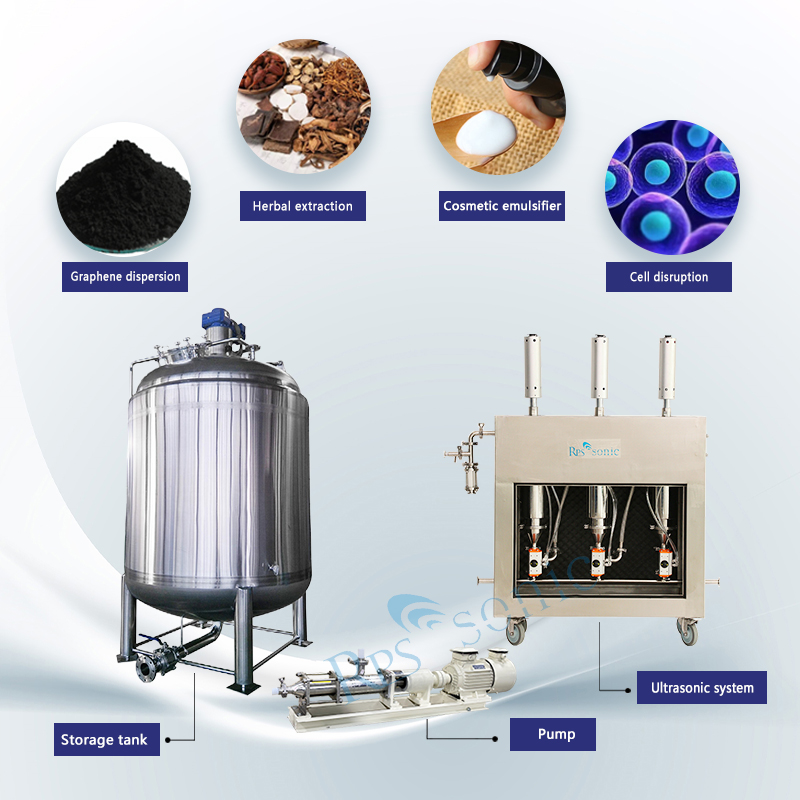
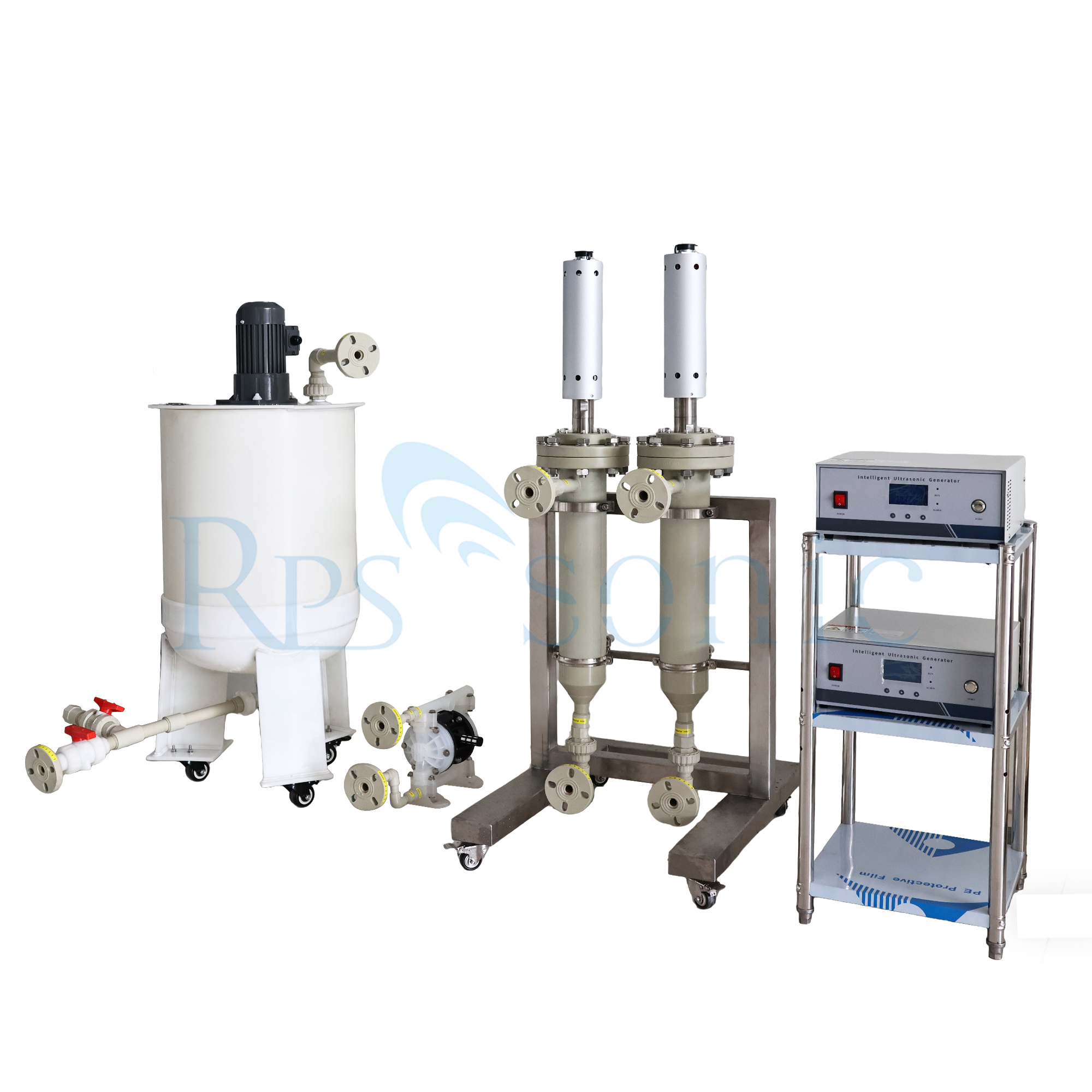
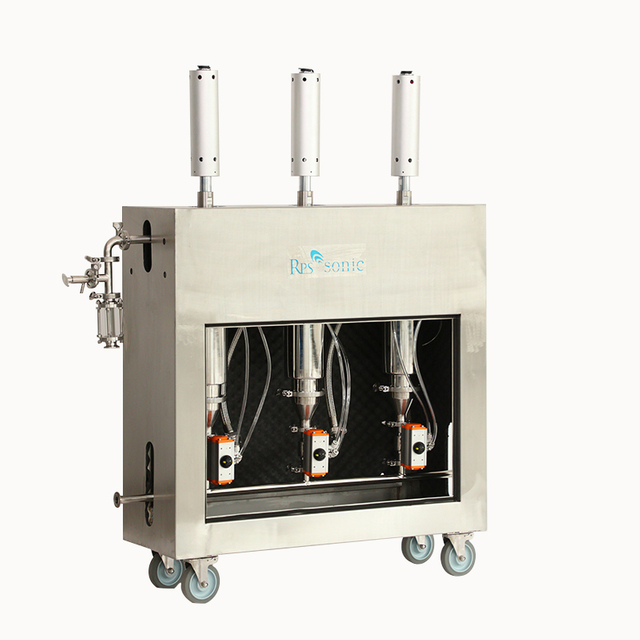
For production scales ranging from tens to hundreds of liters (or larger), the following setups can be used:
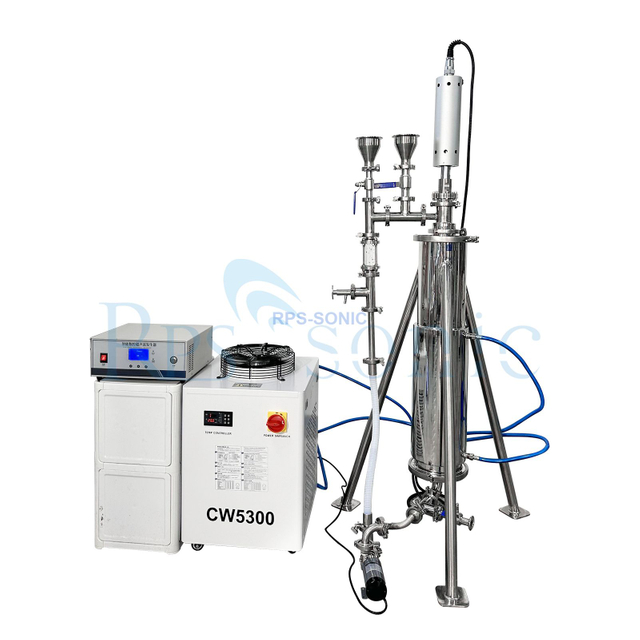
Ultrasonic Extraction Tank + Ultrasonic Transducer + Generator
Or:
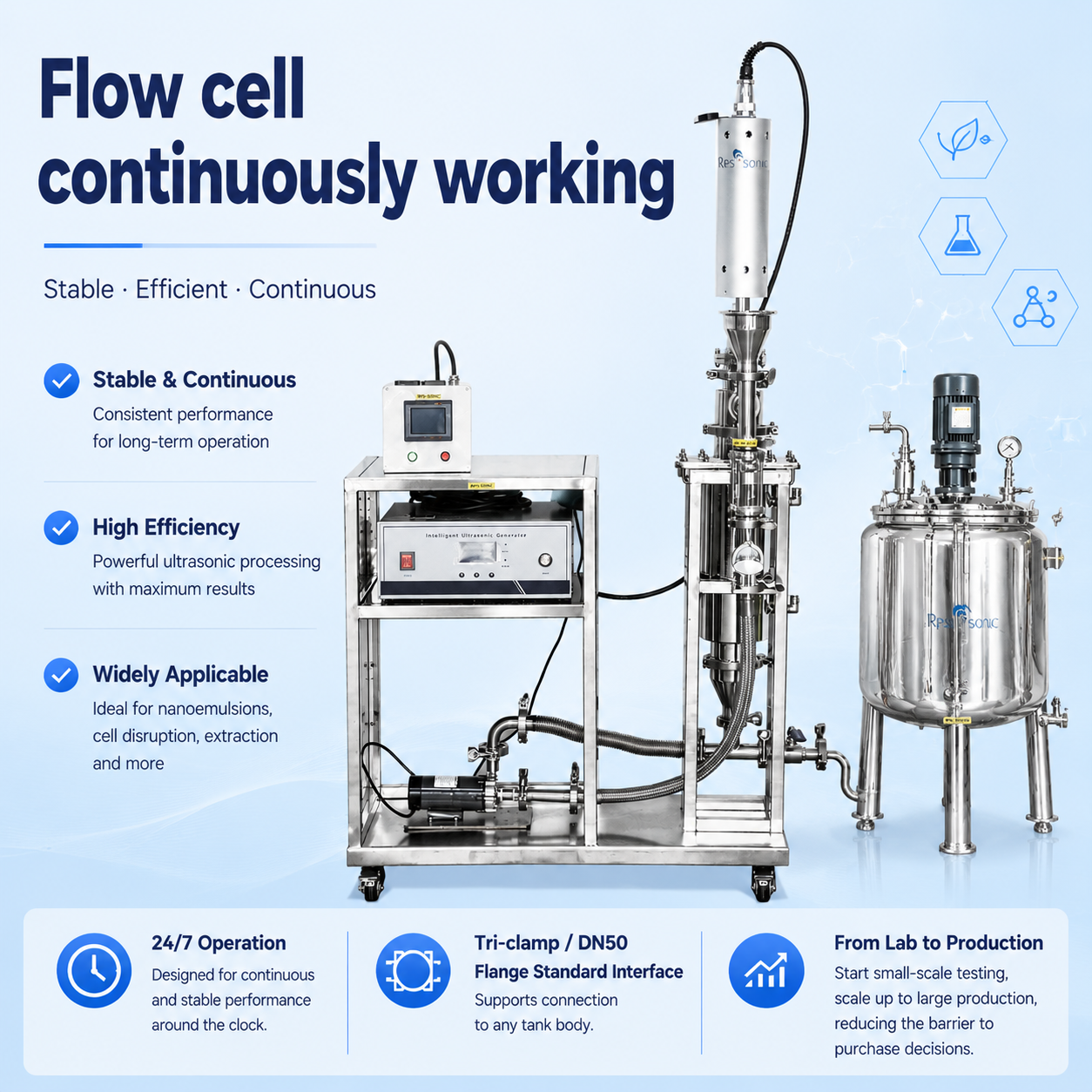
Continuous Flow Ultrasonic Extraction System
Continuous flow systems allow material to pass continuously through the ultrasonic treatment zone, making them better suited for continuous production processes.
Example:
Feed Tank → Pump → Ultrasonic Flow Cell → Solid-Liquid Separation → Collection Tank
Controlling flow rate, ultrasonic power, and the number of cycles enables a more stable production process.
Key Parameters for Industrial Ultrasonic Extraction Equipment
When selecting ultrasonic equipment, one should not focus solely on wattage.
Factors that truly influence extraction efficiency include:
Ultrasonic Frequency
Common industrial ultrasonic systems often utilize low-frequency, high-power ultrasound (around 20 kHz).
Lower frequencies generally generate more intense cavitation, making them suitable for applications requiring enhanced cell disruption and mass transfer.
Ultrasonic Power
Power levels must be determined based on a combination of factors:
·Processing volume
·Material concentration
·Solid-liquid ratio
·Equipment configuration
·Target processing time
Amplitude
Amplitude is a critical parameter influencing cavitation intensity.
Industrial systems usually require amplitude adjustments based on the specific material, rather than relying on a fixed parameter setting.
Temperature
Temperature affects both extraction efficiency and the stability of active components. Therefore, industrial equipment typically requires a combination of:
Temperature Control + Ultrasonic Power Control
to jointly regulate the process.
Flow Rate
Flow rate is a critical factor, particularly in continuous-flow systems.
Excessive flow rates may result in insufficient ultrasonic exposure time, while excessively low flow rates can reduce production efficiency.
Consequently, parameters must be balanced based on the reaction chamber volume, ultrasonic power, and target processing intensity.
Conclusion: Ultrasonic Intensification of Natural Biomass Extraction
Seaweed and mushrooms are rich in natural bioactive compounds; however, rapidly and consistently releasing these compounds from complex biomass structures remains a key challenge in extraction processes.
Ultrasonic-assisted extraction offers a highly efficient process intensification solution for seaweed and mushroom biomass by leveraging cavitation effects, mechanical vibration, and enhanced mass transfer.
Ultrasonic systems can be customized to meet specific requirements—ranging from laboratory R&D and pilot-scale scale-up to industrial continuous production—based on processing capacity, material characteristics, and target compounds.