Ultrasonic Extraction of Duckweed: A Green Technology for Efficiently Developing Natural Active Ingredients from Duckweed
Duckweed is a type of fast-growing aquatic plant with high protein content, and has attracted attention in recent years from the fields of food, nutrition and health, biotechnology, and green agriculture. Some duckweed varieties contain abundant plant proteins, amino acids, polysaccharides, phenols, flavonoids, pigments, and minerals, showing potential for further development into natural functional raw materials.
Traditional plant extraction methods typically employ soaking, hot water reflux, or organic solvent extraction, but these methods may suffer from long extraction times, high energy consumption, large solvent consumption, and loss of some heat-sensitive components.
Ultrasound-assisted extraction (UAE) utilizes the cavitation and mechanical effects generated by ultrasound to enhance the disruption and mass transfer processes of plant tissue, providing a worthy technical route for the efficient extraction of active ingredients from duckweed.
Traditional plant extraction methods typically employ soaking, hot water reflux, or organic solvent extraction, but these can suffer from drawbacks such as long extraction times, high energy consumption, significant solvent consumption, and loss of some heat-sensitive components.
Ultrasound-Assisted Extraction (UAE) utilizes the cavitation and mechanical effects of ultrasound to enhance plant tissue disruption and mass transfer, providing a promising technical approach for the efficient extraction of active components from duckweed.
I. What is Ultrasound Duckweed Extraction?
Ultrasound duckweed extraction involves mixing pretreated duckweed plant material with a suitable extraction medium, using ultrasound to promote cell structure disruption and the migration of target components into the liquid phase.
When ultrasound enters the liquid, it generates numerous microbubbles. These bubbles continuously form, expand, and collapse, creating microjets, local shear forces, and pressure changes within the liquid.
These effects can:
Enhance the contact between plant tissue and solvent;
Promote cell structure disruption;
Accelerate the diffusion of target components from plant tissue into the liquid phase;
Shorten extraction time;
Improve mass transfer efficiency.
Therefore, ultrasound does not simply "vibrate out the components," but rather improves overall extraction efficiency by enhancing cell disruption and mass transfer processes.
II. What components can be extracted from duckweed?
The composition of different duckweed varieties varies considerably, and specific extraction targets need to be determined based on the raw materials and end uses.
1. Plant Protein
Duckweed has high protein potential, therefore protein extraction is one of its important development directions.
After appropriate pretreatment and extraction, proteins or protein-enriched components can be further obtained for:
Plant protein raw materials;
Functional food research;
Feed and aquatic feed;
Biomaterial research.
2. Polysaccharides
Duckweed cells contain a certain amount of polysaccharides.
Ultrasound can promote the release of water-soluble components and improve solid-liquid mass transfer efficiency, therefore it can be used for experimental research and process development of duckweed polysaccharides.
3. Polyphenols and Flavonoids
Phenolic and flavonoid substances in duckweed have antioxidant research value.
For these types of components, water, ethanol, or water-ethanol systems are typically studied, and extraction efficiency is optimized by adjusting ultrasonic intensity, temperature, and time.
4. Natural Pigments and Other Plant Active Ingredients
Depending on the specific duckweed variety and extraction system, the release of chlorophyll, carotenoids, and other plant secondary metabolites can also be studied.
It is important to note that the optimal extraction conditions differ for different target components; therefore, uniform parameters cannot be simply applied to actual production.
Main Advantages of Ultrasonic Technology
Highly Efficient Mass Transfer
The cavitation and mechanical action generated by ultrasound enhances the mass transfer process between plant tissue and the extraction medium, allowing target components to enter the liquid phase more quickly.
Shortened Extraction Time
Traditional soaking may require a long time, while ultrasound can significantly enhance the extraction process, thus making it possible to shorten the processing time.
Reduced Heat Treatment Requirements
Ultrasonic-assisted extraction can be carried out under relatively mild temperature conditions, which is advantageous for some heat-sensitive plant components.
Potential for Reduced Solvent Consumption
Due to the enhanced mass transfer efficiency, it is possible to reduce the amount of solvent required during extraction after process optimization.
Easy to Scale Up
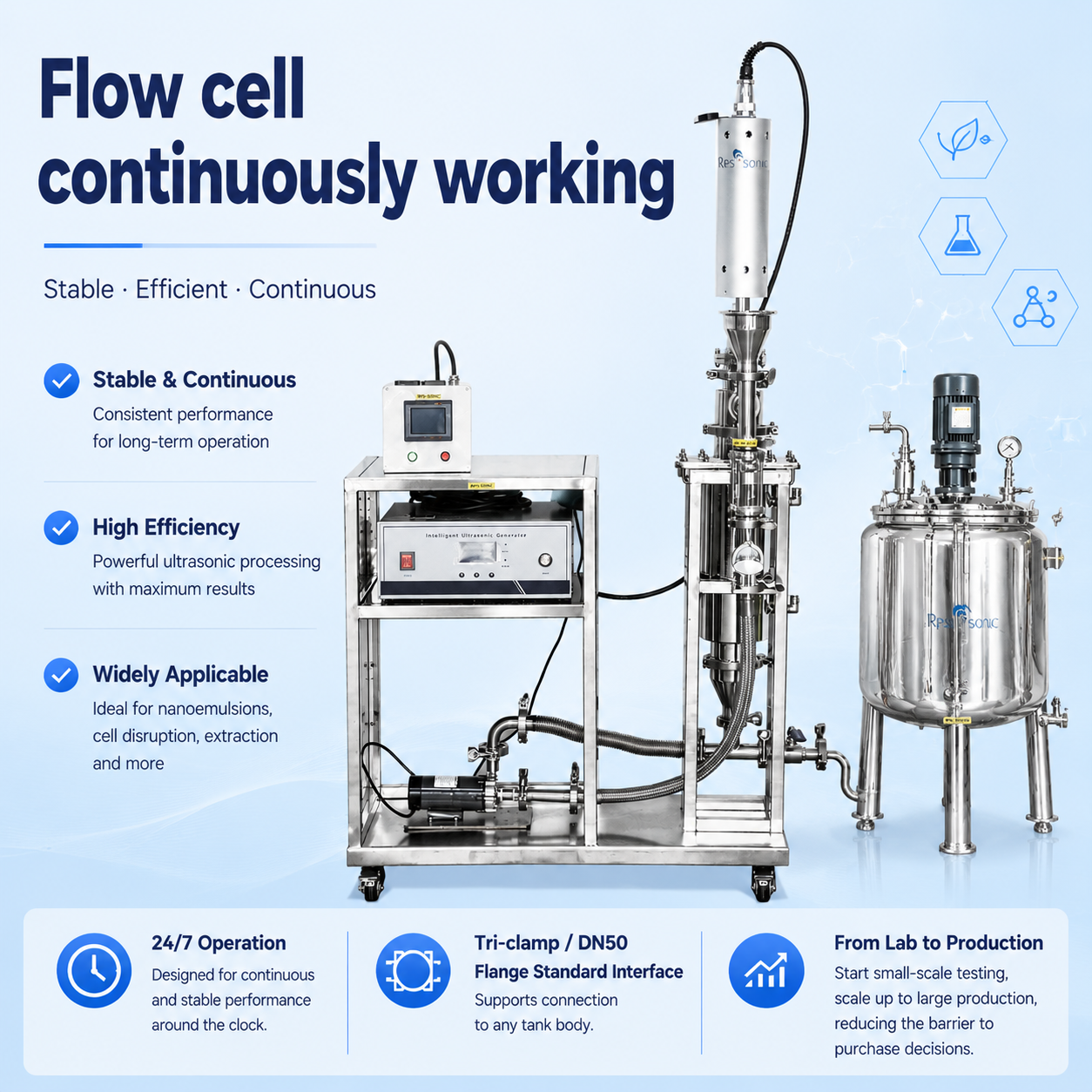
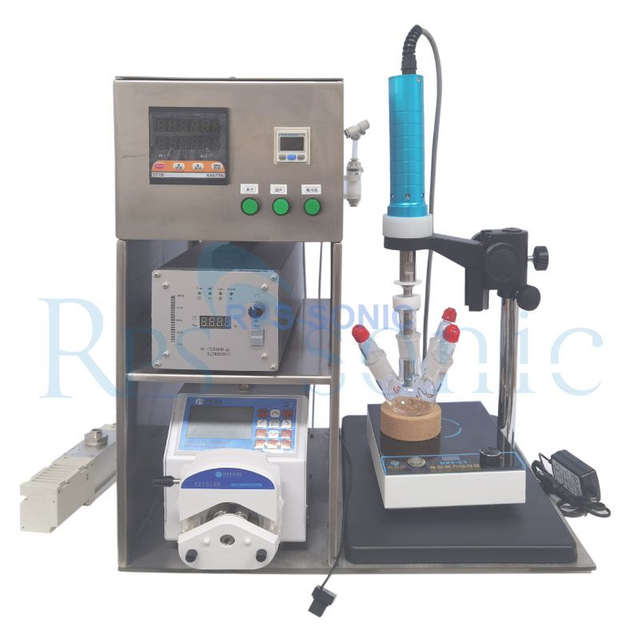
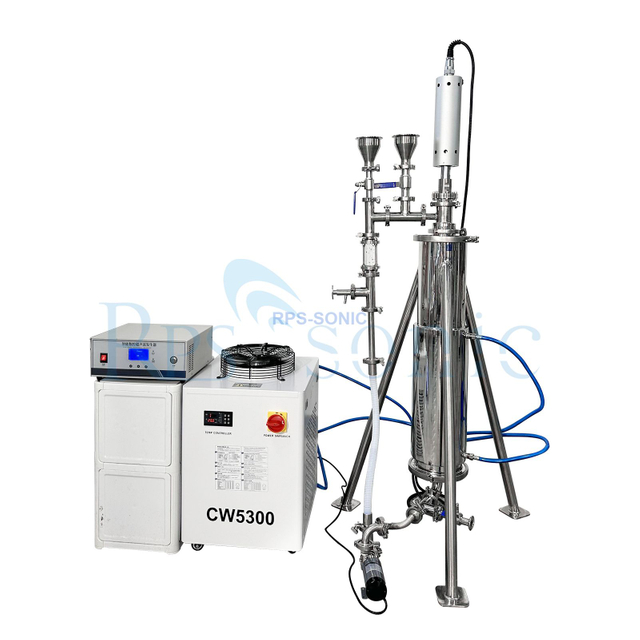
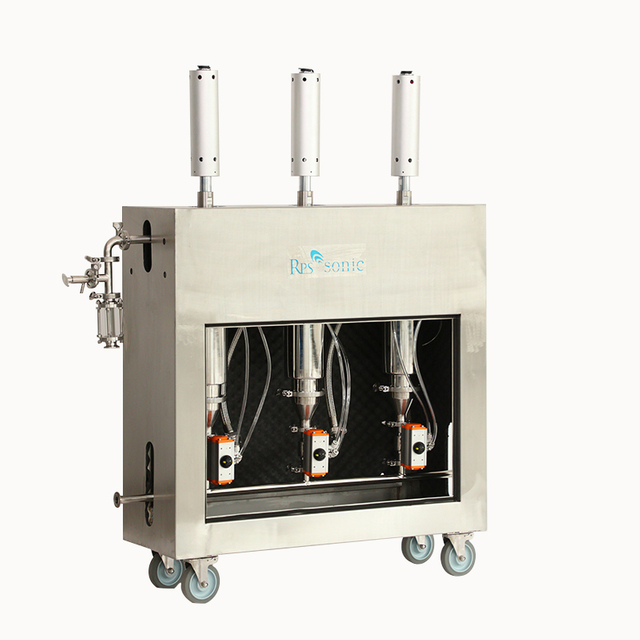
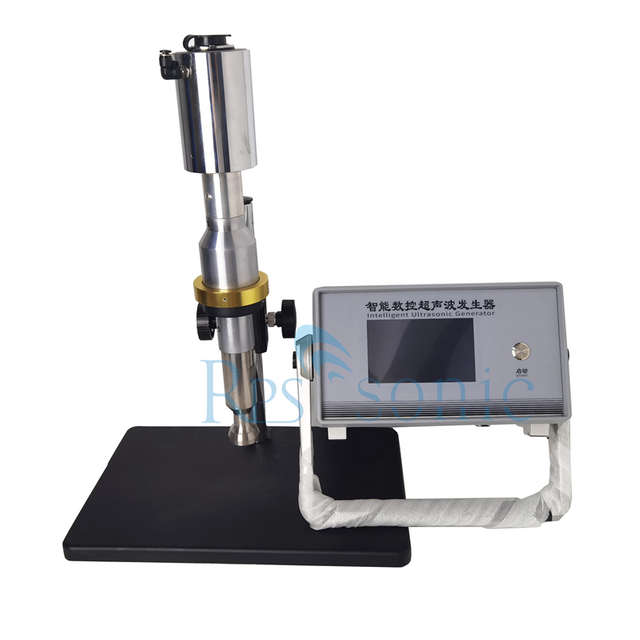
Laboratory ultrasonic probes, batch ultrasonic extraction equipment, and continuous flow ultrasonic systems can all be used for process development at different scales.
V. Key Control Factors for Ultrasonic Duckweed Extraction
Higher ultrasonic power is not always better.
1. Ultrasonic Power
Insufficient power may not generate sufficient cavitation; excessive power may cause excessive shearing, temperature rise, and degradation of some sensitive components.
2. Temperature
Temperature affects solubility, diffusion rate, and component stability. Therefore, industrial equipment typically requires temperature monitoring and even cooling systems.
3. Processing Time
Extending the processing time does not necessarily lead to a sustained increase in extraction rate. Once the target component has reached a high release level, continuing ultrasonication may yield limited benefits.
4. Solid-Liquid Ratio
The ratio of raw material to solvent directly affects extraction efficiency, equipment volume, and subsequent concentration costs, requiring comprehensive optimization.
5. Raw Material State
The extraction behavior of fresh duckweed, freeze-dried duckweed, and dried powder may differ significantly; therefore, the raw material state should be clearly defined during process development.
VI. From Laboratory to Industrial Production
For duckweed extraction projects, a step-by-step scale-up approach can be adopted:
Laboratory pilot-scale test → Parameter optimization → Pilot-scale verification → Industrial continuous production
The laboratory stage mainly determines the optimal parameters:
Ultrasonic power;
Temperature;
Time;
Solid-liquid ratio;
Solvent system.
The pilot-scale stage focuses on verifying:
Energy distribution;
Process uniformity;
Continuous feeding capability;
Temperature control;
Solid-liquid separation efficiency.
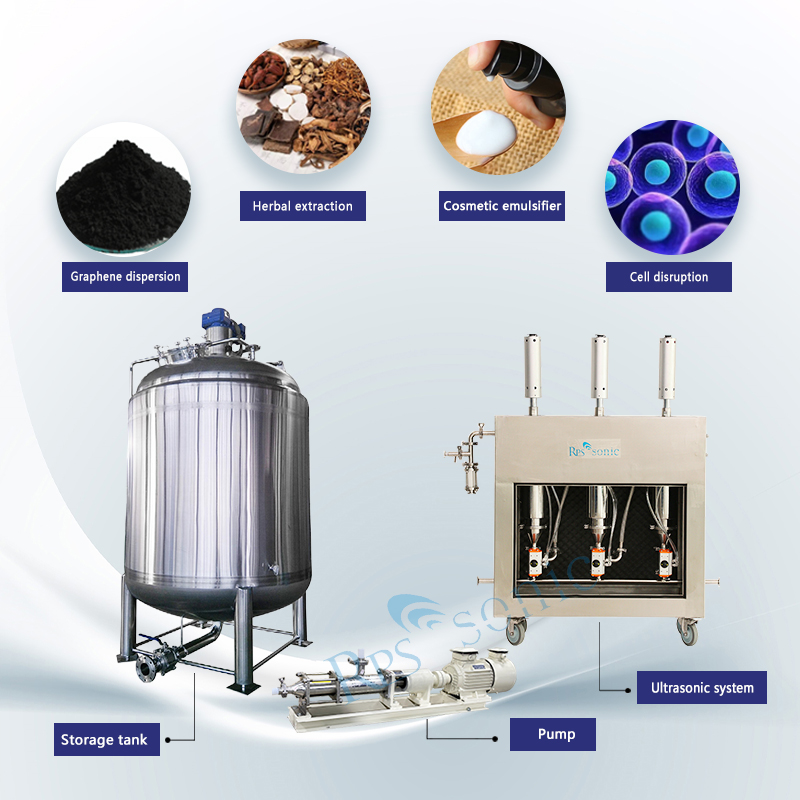
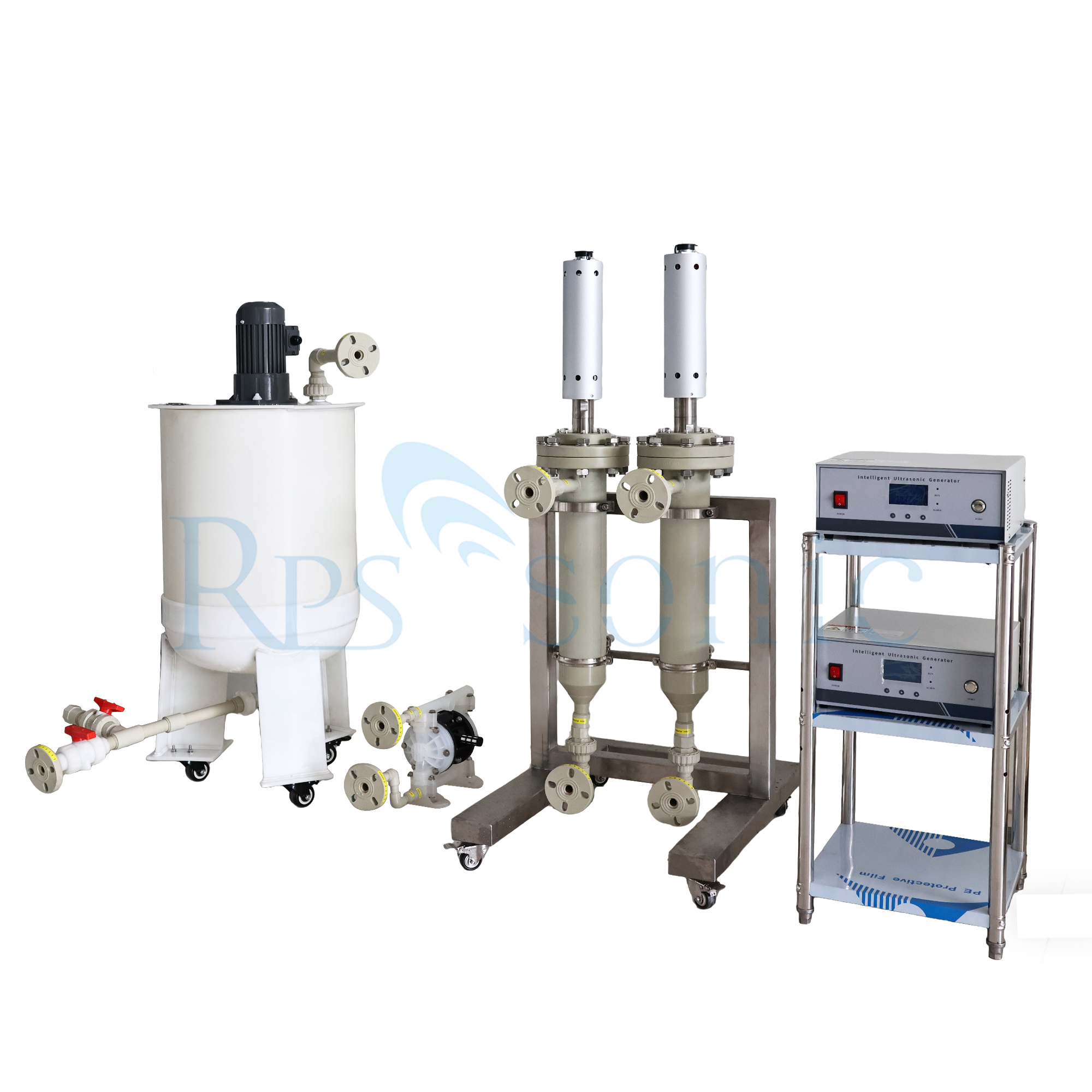
Industrial production can utilize high-power ultrasonic reactors or continuous flow ultrasonic extraction systems, combined with filtration, centrifugation, membrane separation, and concentration equipment to form a complete production line.
Conclusion
Ultrasonic-assisted extraction technology provides an efficient process enhancement method for the release of proteins, polysaccharides, polyphenols, flavonoids, and other natural components from duckweed plants through cavitation effects, mechanical vibration, and enhanced mass transfer.
Compared with traditional extraction methods, ultrasonic technology has the advantages of fast extraction speed, high mass transfer efficiency, controllable temperature, flexible process, and easy scalability.
In the future, by combining ultrasound with technologies such as enzymatic hydrolysis, membrane separation, and low-temperature concentration, a more efficient and green comprehensive extraction process for duckweed can be developed, realizing the transformation of aquatic plant resources from low-value biomass to high-value-added natural raw materials.