Ultrasonic-Assisted Extraction Technology – Extraction of Silymarin
*Silybum marianum* (milk thistle) is a medicinal plant widely used in the fields of botanical extracts and natural health products. Its seeds are rich in silymarin—a complex of flavonolignans that includes key components such as silybin, isosilybin, silychristin, and silydianin.
Silymarin is commonly utilized in the production of liver-health products, botanical extracts, dietary supplements, and pharmaceutical raw materials. Traditional extraction processes typically employ ethanol or an ethanol-water mixture, involving steps such as maceration, heating, and solid-liquid separation to obtain the target extract.
However, conventional extraction methods often require long processing times, and the mass transfer efficiency between the solvent and the plant tissue is frequently limited.
**Ultrasound-Assisted Extraction (UAE)** leverages the cavitation effect to enhance the penetration of ethanol into the milk thistle seed tissue and facilitate the release of the target compounds, offering an efficient and optimizable process for extracting silymarin.
Silymarin is not a single compound but rather a mixture of various flavonolignans. Given that these components possess specific lipophilic and polar characteristics, the selection of an appropriate organic solvent is essential for extraction.
Ethanol is a frequently used solvent for extracting silymarin, offering several key advantages:
**Excellent Solubilizing Capacity:** Ethanol at an appropriate concentration is effective for dissolving and extracting the diverse flavonolignans that make up silymarin.
**Adjustable Solvent Concentration:** Ethanol-water mixtures of varying concentrations can be used to optimize the extraction yield of the target compounds.
**Ease of Solvent Recovery:** Ethanol can be recovered through processes such as evaporation or distillation, thereby reducing solvent consumption during production.
**Suitability for Botanical Extraction:** This method is backed by extensive industrial experience; however, solvent residues must be carefully controlled in accordance with the intended product use and regulatory requirements. In practical production, factors such as ethanol concentration, raw material particle size, the solid-to-liquid ratio, and temperature all influence the extraction efficiency of silymarin and the composition of the extract.
How does ultrasound enhance the extraction efficiency of silymarin?
Ultrasonic equipment utilizes a generator to drive a transducer, producing high-frequency mechanical vibrations, which are then transmitted into the ethanol extraction solvent via an ultrasonic probe.
Under the influence of ultrasound, a large number of tiny cavitation bubbles are generated within the liquid. As these bubbles rapidly collapse, they create localized micro-jets, shock waves, and intense shear forces.
These physical effects enhance the contact between the ethanol and the tissue of the milk thistle seeds, facilitating the release of the target compounds from the plant matrix.
Key mechanisms include:
1. Disruption of plant tissue structure
The cavitation effect induced by ultrasound helps loosen plant cells and tissue structures, increasing the surface area for contact between the solvent and the raw material.
2. Promotion of ethanol penetration
The localized flow and shear forces generated by ultrasound assist the ethanol in penetrating the pores and internal structures of the seed powder, improving the efficiency of contact between the solvent and the target compounds.
3. Acceleration of the release of target compounds
By intensifying the mass transfer process between the solid and liquid phases, ultrasound facilitates the migration of the flavonolignans (silymarin components) into the ethanol solution.
4. Reduction of extraction time
Compared to simple immersion or mechanical stirring, ultrasound-assisted extraction can potentially shorten the time required to achieve a desired extraction yield; the specific extent of this improvement should be verified through experimental comparison.
The core value of ultrasound-assisted extraction lies in enhancing mass transfer, rather than entirely replacing traditional extraction equipment. In industrial production, ultrasonic systems can be integrated into existing ethanol-based extraction processes.
How to Choose Ultrasonic Extraction Equipment?
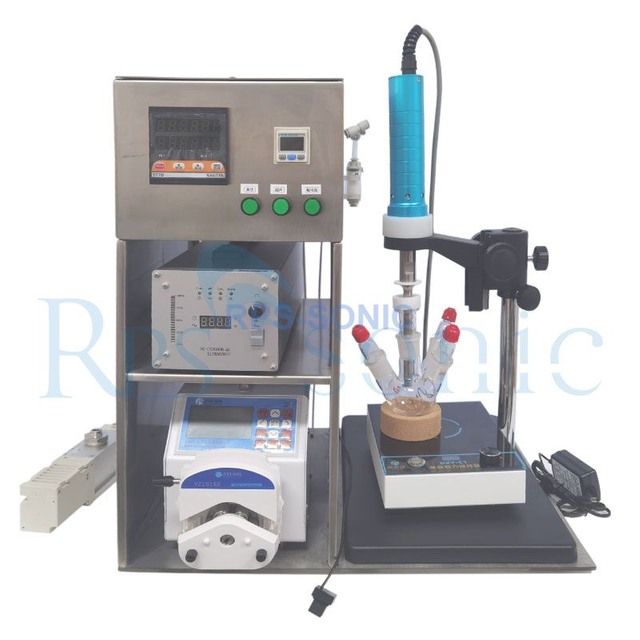
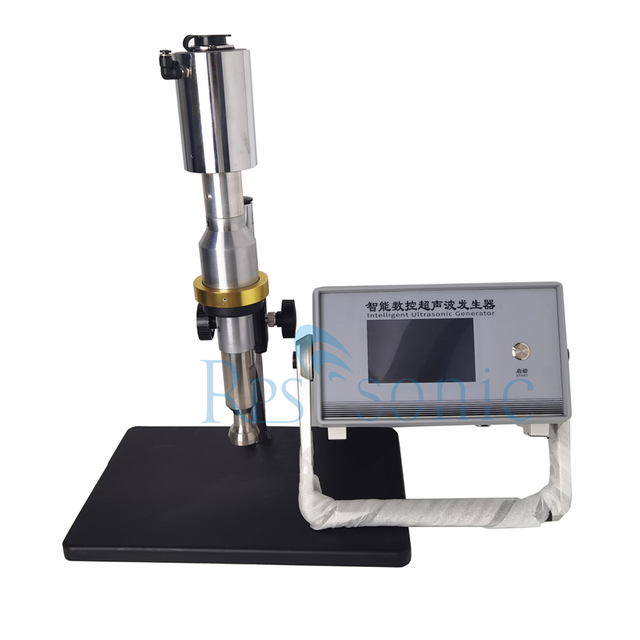
Depending on the production scale of silymarin, you may choose either probe-type ultrasonic extraction equipment or an industrial-scale ultrasonic extraction system.
Option 1: Probe-Type Ultrasonic Extraction Equipment
Suitable for laboratory research, pilot testing, and small-to-medium batch production.
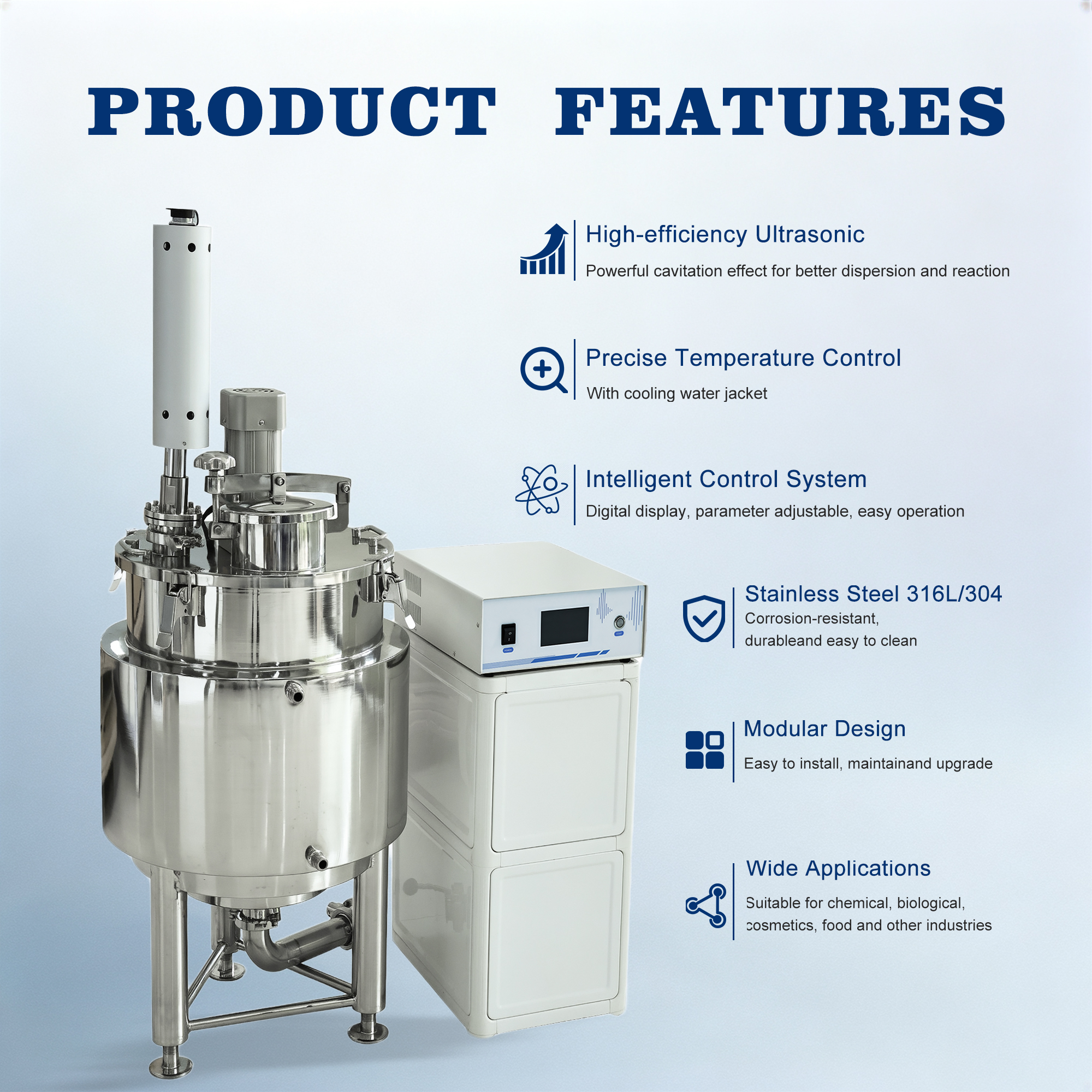
Key Advantages:
The ultrasonic probe comes into direct contact with the ethanol extract.
Ultrasonic energy is concentrated, with easily adjustable amplitude and power.
Can be integrated with mechanical stirring and jacketed cooling.
Well-suited for process testing involving various ethanol concentrations and extraction parameters.
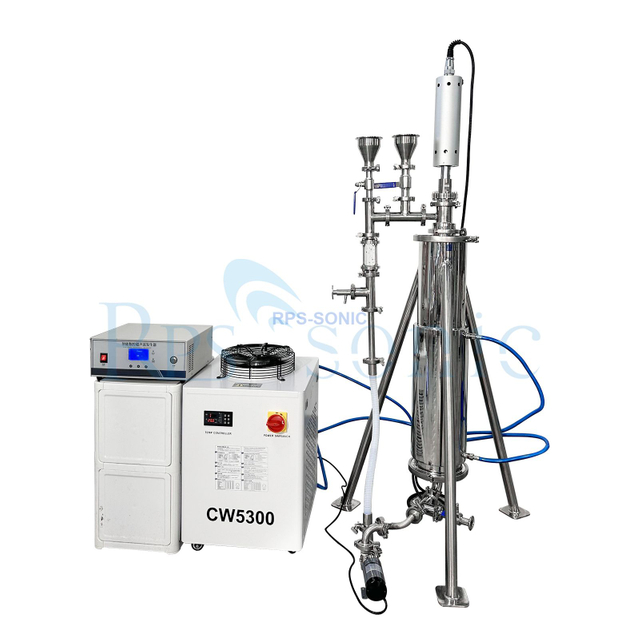
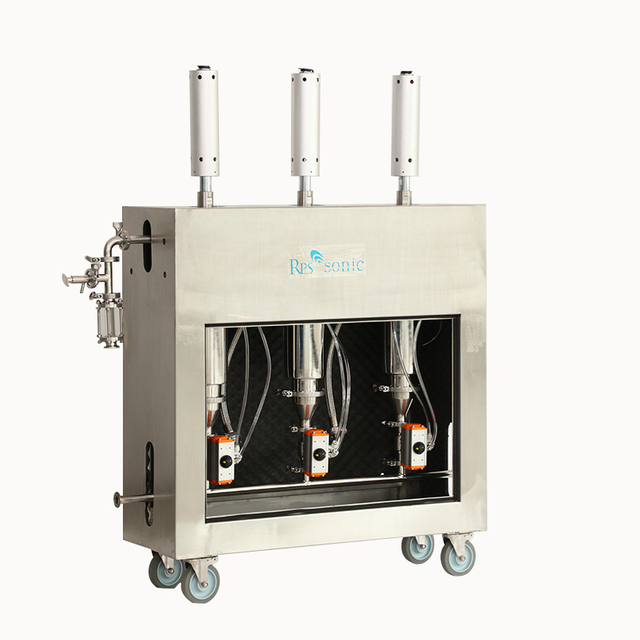
Option 2: Industrial Continuous-Flow Ultrasonic Extraction System
Suitable for pilot-scale and large-scale production.
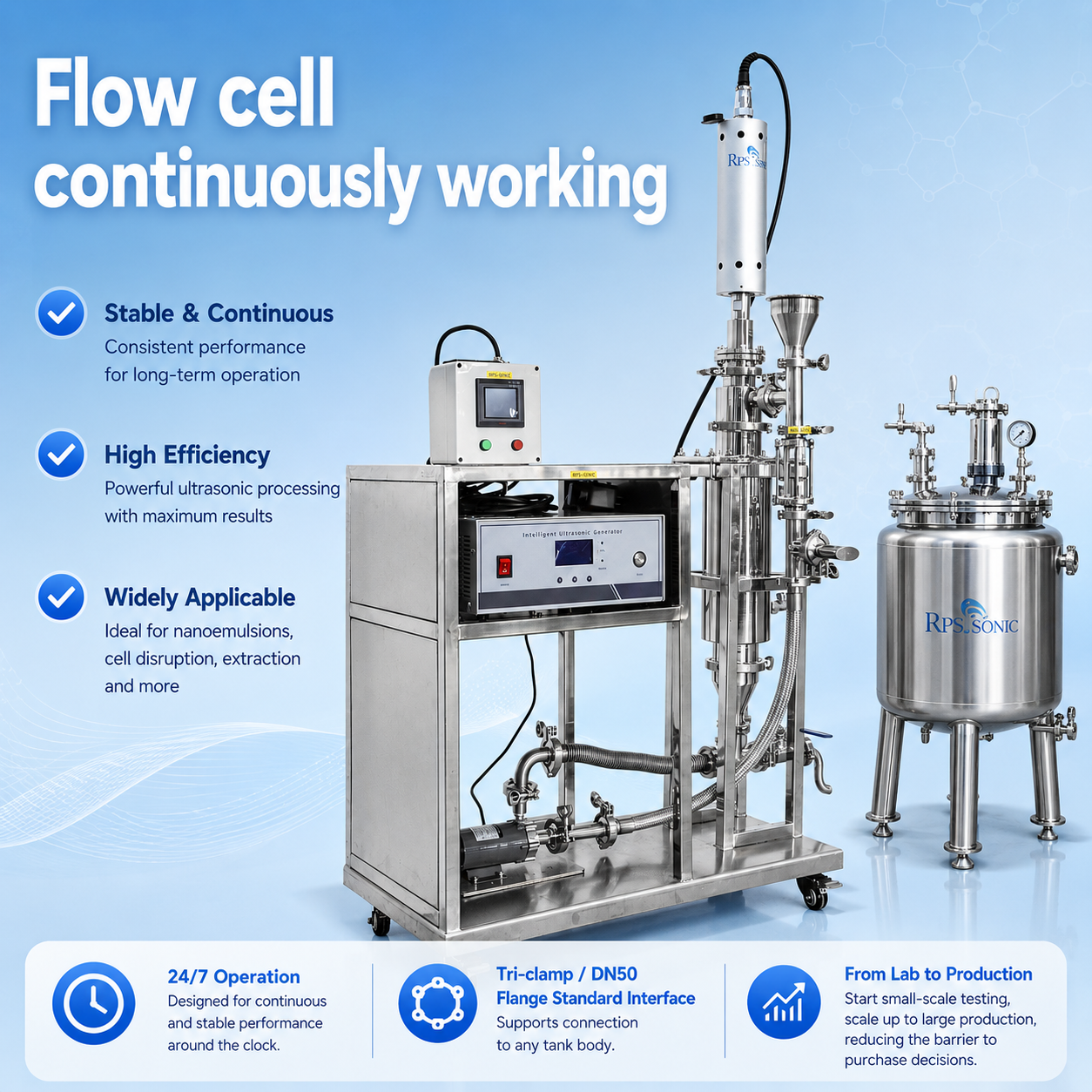
Key Advantages:
Utilizes an ultrasonic flow cell to process the extract or slurry through circulation.
Can be integrated with storage tanks, transfer pumps, filters, and ethanol recovery systems.
Allows for precise control over flow rates and the number of circulation cycles.
Facilitates continuous production.
For slurries containing seed powder, the pump and flow cell must be selected based on particle size, solids content, and viscosity to prevent sedimentation and clogging.
Safety Requirements for Ethanol Extraction Equipment
This is a critical aspect of any silymarin ethanol extraction project.
Ethanol is a flammable liquid; the ultrasonic processing stage may present risks such as the presence of ethanol vapors, liquid splashing, or static electricity. Therefore, equipment design must strictly adhere to fire and explosion-proof standards.
Key considerations include:
**Explosion-Proof Electrical Components:** Generators, motors, pumps, and other electrical components must be selected to meet the explosion-proof requirements corresponding to the designated hazardous area classification.
**Closed-Loop Processing System:** Utilize sealed extraction tanks and piping wherever possible to minimize the leakage of ethanol vapors.
**Ventilation and Vapor Recovery:** Implement appropriate ventilation, condensation-based recovery, and vapor treatment facilities.
**Static Grounding:** Ensure reliable equipotential bonding and grounding for all equipment, piping, and transfer systems.
**Temperature Control:** Monitor the temperature of the ethanol slurry to prevent localized overheating.
**Ultrasound System Safety:** The presence of an explosion-proof enclosure on an ultrasonic generator does not, by itself, mean that the entire system meets explosion-proof requirements.
It is particularly important to note that standard laboratory-grade ultrasonic equipment with open-type probes cannot be used directly for industrial-scale, open-system extraction processes involving large quantities of ethanol. A comprehensive, explosion-proof, and enclosed system must be designed, taking into account factors such as ethanol concentration, operating temperature, ventilation conditions, and the classification of hazardous zones.
Conclusion: Ultrasound Offers a New Process Option for Silymarin Extraction
Extracting silymarin from milk thistle seeds using ethanol is a well-established plant extraction technique. The integration of ultrasound-assisted technology leverages the cavitation effect to enhance solvent penetration and solid-liquid mass transfer, offering the potential to shorten extraction times and improve the release of target compounds.