How to efficiently extract effective components from herbal and fruits and vegetables?
To understand efficient extraction, we must first understand where the bottleneck lies. Most of the active ingredients in plants are hidden within the vacuoles or cytoplasm of cells, tightly encased by tough cell walls. Traditional methods rely on slow, solvent-based penetration, a lengthy process.
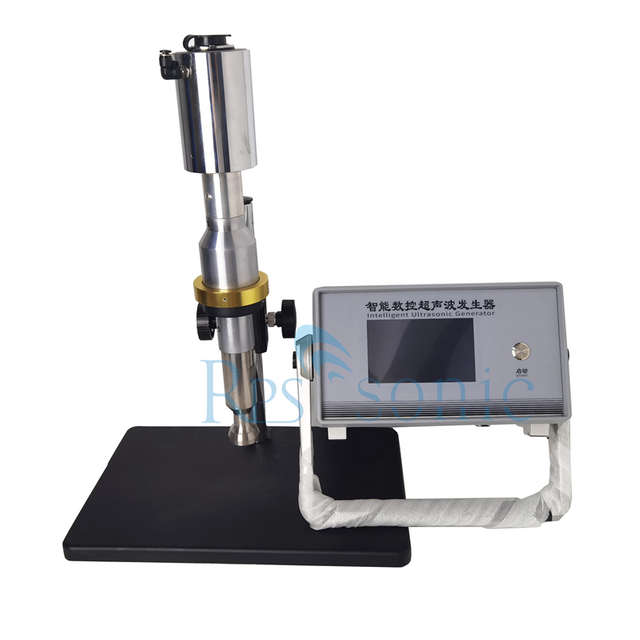
The advent of ultrasound has completely changed this. It doesn't act as a "penetrator," but rather as a "battering ram."
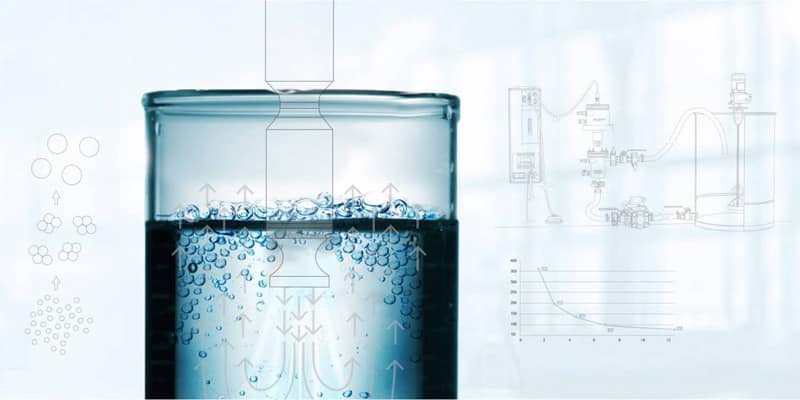
When ultrasound acts on the extraction system, it creates a violent microscopic storm within the liquid, the core of which is cavitation. As ultrasound propagates through the solvent, it generates billions of tiny bubbles. These bubbles rapidly collapse and implode under the compression of the sound waves. This process releases enormous energy, generating powerful shock waves and high-speed microjets that directly act on the plant material.
This microscopic "explosion" brings three major benefits:
Physical fragmentation of cell walls: The powerful impact is enough to crack or even completely tear intact cell walls, opening the "gates" for the release of the contents.
Accelerated Mass Transfer: The intense disturbance generated by the explosion significantly accelerates the penetration of the solvent into the cells and the diffusion of the solution containing dissolved active ingredients outwards, transforming the extraction process from "slow soaking" to "high-efficiency flushing."
Sharply Reduced Extraction Time: Traditional methods require several hours of reflux extraction, but with the aid of ultrasound, it can typically be completed in just 20-40 minutes, reducing the time by more than two-thirds. For example, research has optimized the extraction of a specific component in mulberry leaves called 1-deoxynojirimycin (DNJ), achieving an extraction yield of up to 99% under optimal conditions.
More importantly, ultrasound is a "cold sterilization" physical field. Equipped with a low-temperature control system, the entire extraction process can be carried out at a gentle temperature of 40-60℃, perfectly protecting heat-sensitive volatile oils, polysaccharides, and anthocyanins.
If ultrasound is the "battering ram" that breaches the door, then the solvent is the carrier responsible for "taking away the treasure." While traditional ethanol and methanol are effective, they present problems such as flammability, toxicity, and environmental unfriendliness. In recent years, a green solvent known as a "natural eutectic solvent" has emerged as a perfect partner for ultrasound.
You can think of a natural eutectic solvent as a "tailor-made" smart liquid. It is produced by heating a mixture of two or more naturally occurring cellular metabolites (such as choline chloride, amino acids, sugars, organic acids, etc.) in a specific ratio. These components are linked together by a strong network of hydrogen bonds, forming a completely new solvent.
The magic of this solvent lies in:
Extremely strong dissolving power: Its dense hydrogen bond network has a strong affinity for active ingredients such as polyphenols and flavonoids, which have hydrogen bond donors/acceptors, efficiently "pulling" them out of the plant substrate.
Naturally biodegradable: All components are derived from nature, are non-toxic and harmless, and are biodegradable, completely solving the problem of organic solvent waste disposal.
When ultrasound meets a natural eutectic solvent, a synergistic effect of "1+1>2" is produced. The cavitation effect of ultrasound disrupts cell structure, while the natural eutectic solvent can more effectively dissolve and stabilize the released target components. Recent scientific research has confirmed the power of this "combination":
Treasure Hunting in Citrus Immature Fruits: A 2025 study found that using a natural eutectic solvent composed of choline chloride and glycerol, combined with ultrasound-assisted extraction, can extract flavonoids and phenolic compounds from citrus thinners (an agricultural waste) in much greater quantities than with traditional solvents. Scanning electron microscopy images show that this combination causes more thorough disruption of cell structures.
Turning Peanut Skins from Waste into Treasure: Researchers at the Chinese Academy of Agricultural Sciences used ultrasound-assisted natural eutectic solvents to extract polyphenols from peanut skins. They found that natural eutectic solvents with lactic acid as a hydrogen bond donor were most effective, achieving polyphenol extraction yields as high as 160 mg/g, far exceeding traditional water extraction methods. This provides a high-value utilization solution for the more than 400,000 tons of peanut skin byproducts produced annually.
Besides pairing with novel solvents, ultrasound can also work in conjunction with other technologies to create powerful "combination punches."
1. Ultrasound-Assisted Enzymatic Methods: Some target components are tightly bound by pectin or cellulose in the cell walls. At this point, pretreatment with a specific enzyme (such as pectinase) can be performed before ultrasonic treatment. The enzyme precisely hydrolyzes the polysaccharide backbone of the cell wall, loosening the cell structure, allowing the ultrasound to penetrate more effectively.
In 2025, a study by the Tobacco Research Institute of the Chinese Academy of Agricultural Sciences successfully prepared high-quality extracts from grapes using pectinase pretreatment combined with ultrasound-assisted extraction technology. This method not only significantly improved the yield and content of bioactive substances in the extract but also perfectly preserved the characteristic aroma of grapes.
2. Optimized Integration of Multiple Technologies Industrial applications are not simply a matter of "cooking everything together," but rather a refined "art." To achieve optimal extraction results, scientists typically use statistical tools such as response surface methodology to systematically optimize multiple parameters, including ultrasonic power, treatment time, extraction temperature, liquid-to-solid ratio, and solvent concentration.
For example, in extracting total flavonoids from the traditional Chinese medicine *Daphne genkwa*, researchers optimized the process to find the optimal "formula": 225W ultrasonic power, 30 minutes, a liquid-to-solid ratio of 30mL/g, a temperature of 60℃, and 70% ethanol. Under these conditions, the extraction yield of total flavonoids reached its maximum, and the extract exhibited excellent antioxidant and anti-inflammatory activities. For pectin in pomegranate peel residue, orthogonal experiments optimized the process, achieving a pectin yield of up to 34.41% under optimal conditions.
Conclusion From traditional one-pot cooking to today's precise extraction, ultrasonic technology is profoundly changing how we obtain plant essences.
It is a "universal key," using cavitation to unlock the cellular fortress of plants; it is also a "gentle guardian," protecting the natural properties of active ingredients at low temperatures. And when combined with natural eutectic solvents, enzymatic methods, and other green technologies, it achieves a perfect balance between efficiency and sustainability.