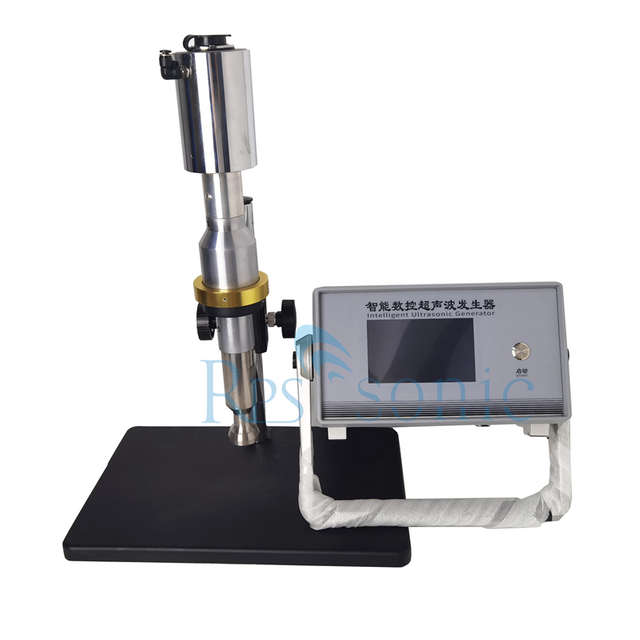
How ultrasound can assist in sterilization without heating?
Traditional high-temperature sterilization (such as pasteurization) works on a simple principle: using high temperatures to denature bacterial proteins, essentially "cooking" the bacteria.
Ultrasonic sterilization, however, takes a completely different approach. It doesn't rely on heat, but on vibration.
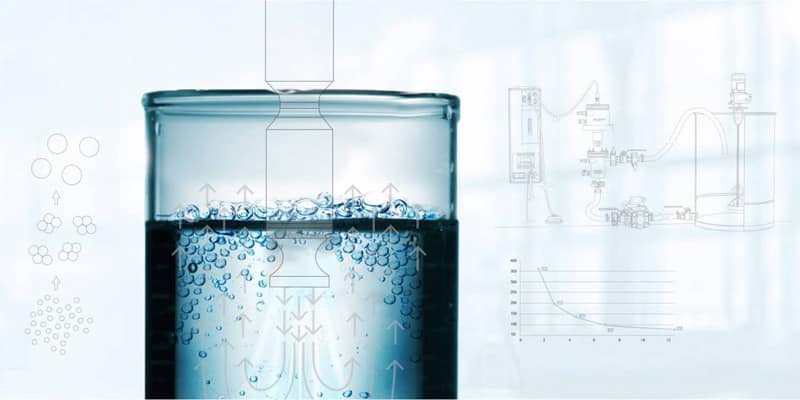
When we introduce high-intensity ultrasound into liquid food (such as juice, milk, or soy sauce), it creates a microscopic "storm" within the liquid. The core of this storm is called cavitation.
You can imagine the propagation of ultrasound as creating continuous, intense vibrations beneath a calm water surface. This vibration generates enormous pressure changes, "tearing" countless tiny vacuum bubbles into the liquid.
These bubbles have extremely short lifespans, only a few hundred millionths of a second. But in that instant, they undergo a violent implosion, like tiny bombs.
At the moment these bombs explode, their focal point creates an incredibly extreme physical environment:
Temperature surge: Local temperatures can reach over 5000°C.
Pressure surge: Local pressure can reach 50,000 kPa (approximately 500 atmospheres). A temperature of 5000℃ sounds terrifying, but it's completely different from "heating an entire glass of juice." This high temperature occurs only for a nanosecond during the bursting of the cavitation bubble, and is confined to an extremely small area. On a macroscopic scale, touching the glass might only feel slightly warm.
So, what does this explosion mean for bacteria?
Physical puncture: The high-speed microjet generated by the explosion, like countless steel needles, directly impacts and pierces the bacterial cell wall and cell membrane.
Chemical strangulation: The instant the cavitation bubble bursts, it also decomposes water molecules, producing strong oxidizing substances such as hydroxyl radicals. These chemicals can directly attack the bacterial DNA and enzyme system.
Violent tearing: The intense mechanical shearing force tears the bacterial cell structure to pieces.
In short, ultrasound is like sending out countless "miniature special forces" to inhumanely destroy the bacteria in the liquid. The cell contents flow out, and the bacteria naturally die. This is the so-called "cold sterilization."
While ultrasound itself is quite powerful, in practical applications, food processing plants often combine it with other technologies to achieve a synergistic effect greater than the sum of its parts.
Ultrasound + Slightly Acidic Electrolyzed Water: This combination is commonly used to clean fruits and vegetables. Electrolyzed water first weakens the bacteria's resistance, while ultrasound then penetrates the tiny crevices on the surface of fruits and vegetables using cavitation, driving away hidden bacteria along with pesticide residues.
Ultrasound + Gentle Heating (Thermoultons): Sometimes, to achieve high standards of commercial sterility without compromising flavor, processors heat liquids to 50-60 degrees Celsius. This temperature is merely "scalding" for bacteria, making their cell membranes fragile. Adding ultrasound at this point is like the final straw, easily killing the bacteria. The effect is similar to traditional sterilization, but with significantly less damage to flavor and nutrients.
Ultrasound + Ultraviolet Light: Ultraviolet sterilization has "blind spots"; it's ineffective in areas not exposed to light. Ultrasound can break up clusters of bacteria, leaving suspended bacteria nowhere to hide, thus allowing ultraviolet light to irradiate more evenly and thoroughly. For example, studies using this method to treat coconut water have shown that just 180 seconds can reduce the number of E. coli by 99.9999995%.
What does this technology mean?
For consumers, ultrasonic sterilization means that in the future we can enjoy juices with longer shelf lives while retaining the taste of freshly squeezed juice; and fresh salads with clean surfaces and no raw water taste.
For the food industry, it's a gentle form of protection. It protects heat-sensitive nutrients (such as vitamin C and anthocyanins), preserves the original flavor and color of food, and also satisfies modern consumers' desire for "less processed" and "natural" products.
Conclusion
Of course, ultrasonic sterilization is not a panacea. It has requirements regarding water turbidity and food viscosity, and energy consumption and equipment costs still need to be optimized for large-scale continuous production.
But undeniably, this technology has opened a new door for us: sterilization doesn't necessarily require boiling water. Within these inaudible high-frequency sound waves, a silent revolution is quietly taking place, preserving the authentic flavor of food.