Can Ultrasonic Homogenizer Process High-viscosity Honey?
Views: 87 Author: Site Editor Publish Time: 2026-03-11 Origin: Site
Can Ultrasonic Homogenizer Process High-viscosity Honey?
Ultrasonic homogenizers are perfectly capable of processing high-viscosity honey. Not only is this feasible, but it also offers significant advantages in preserving the natural quality of honey compared to traditional heat treatment methods.
Why are ultrasonic homogenizers suitable for processing high-viscosity honey?
Ultrasonic equipment works through a powerful "cavitation effect." Simply put, it generates countless tiny bubbles in the honey, which burst instantaneously, producing strong shock waves and microjets. This physical shearing force is highly effective at processing high-viscosity liquids.
When processing honey, this force brings three main benefits:
Highly efficient liquefaction and anti-crystallization: Honey crystallization is a natural process that hardens the honey, making it difficult to flow. Ultrasonic waves can completely liquefy existing crystals in less than 30 seconds at a low temperature of approximately 35°C and can inhibit recrystallization for up to 350 days (in contrast, heat treatment only achieves about 20% inhibition).
Superior non-thermal sterilization: Sugar-tolerant yeasts in honey are the main culprits behind its fermentation and spoilage. Traditional high-temperature sterilization destroys the active ingredients in honey. Ultrasonic waves use physical shearing force to break down the cell walls of microorganisms such as yeast, achieving sterilization without heating and thus preventing honey fermentation.
Perfectly Preserving Natural Quality: Because the processing temperature is low, ultrasonic treatment maximizes the retention of active enzymes such as amylase in honey, while avoiding the formation of harmful substances like hydroxymethylfurfural (HMF), and does not darken the honey's color or alter its flavor.
Two Key Points in Practical Operation: Although ultrasonic equipment can process high-viscosity honey, two key points need to be considered for optimal results in practical applications:
Proper Preheating to Enhance Flowability: Honey has extremely poor flowability at very low temperatures, affecting the transmission efficiency of ultrasonic waves and the uniformity of processing. In actual processing, honey is usually heated appropriately to improve its flowability. For example, some cases mention heating crystallized honey to 36°C (still within the recommended low temperature range for ultrasonic processing) before homogenizing it, with excellent results.
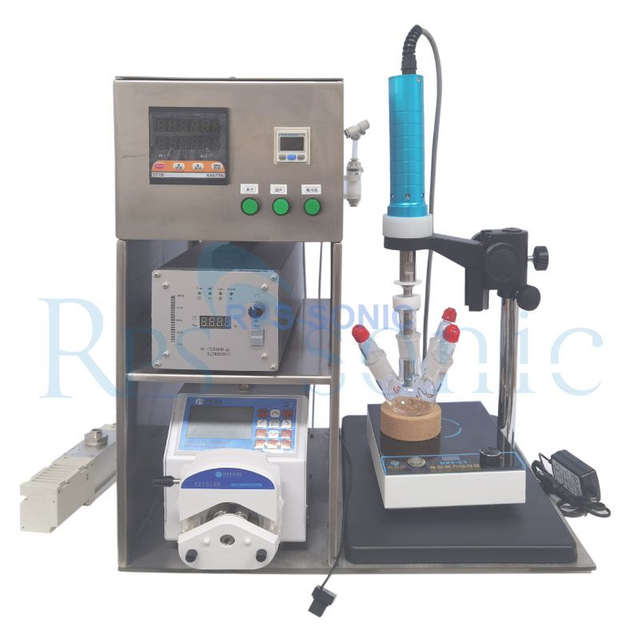
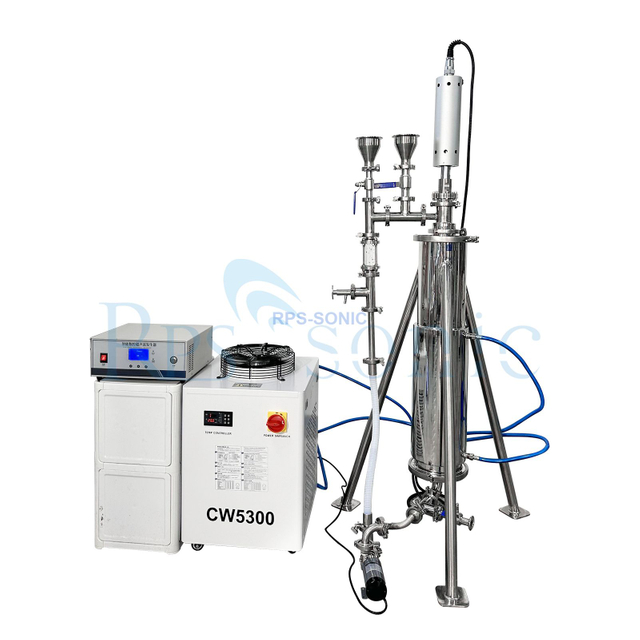
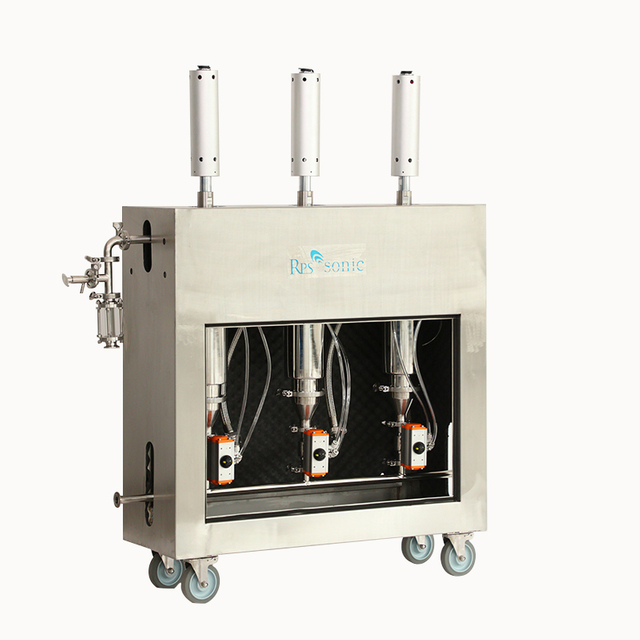
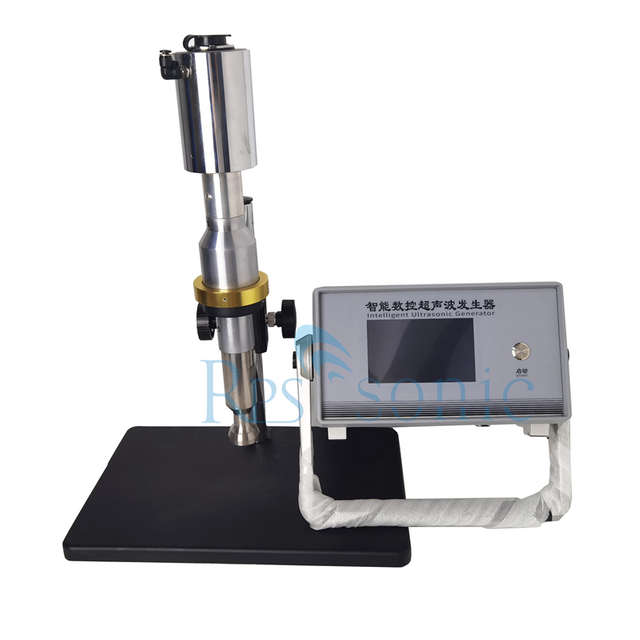
Choosing the Right Equipment for Your Needs: There are ultrasonic homogenizers specifically designed for high-viscosity materials on the market, as well as equipment that combines grinding and homogenization functions for processing special honey products containing solid powders such as royal jelly. You can choose the appropriate model based on the specific product type and production scale.