10 Frequently Asked Questions About Ultrasonic Homogenizer Reactors
Views: 80 Author: Site Editor Publish Time: 2026-09-17 Origin: Site
10 Frequently Asked Questions About Ultrasonic Homogenizer Reactors
1. What is an Ultrasonic Sonochemical Reactor?
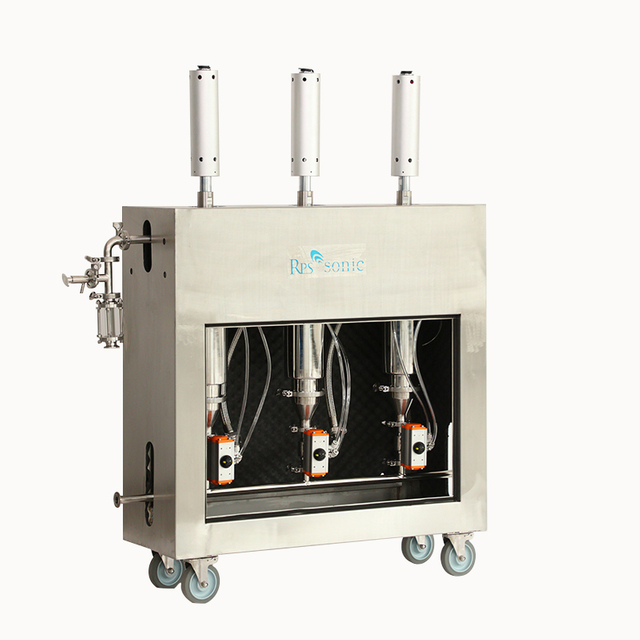
An Ultrasonic Sonochemical Reactor is a reactor that uses high-intensity ultrasonic energy and acoustic cavitation to enhance selected chemical or physical processes in liquids.
2. What is a Continuous Flow Sonochemistry System?
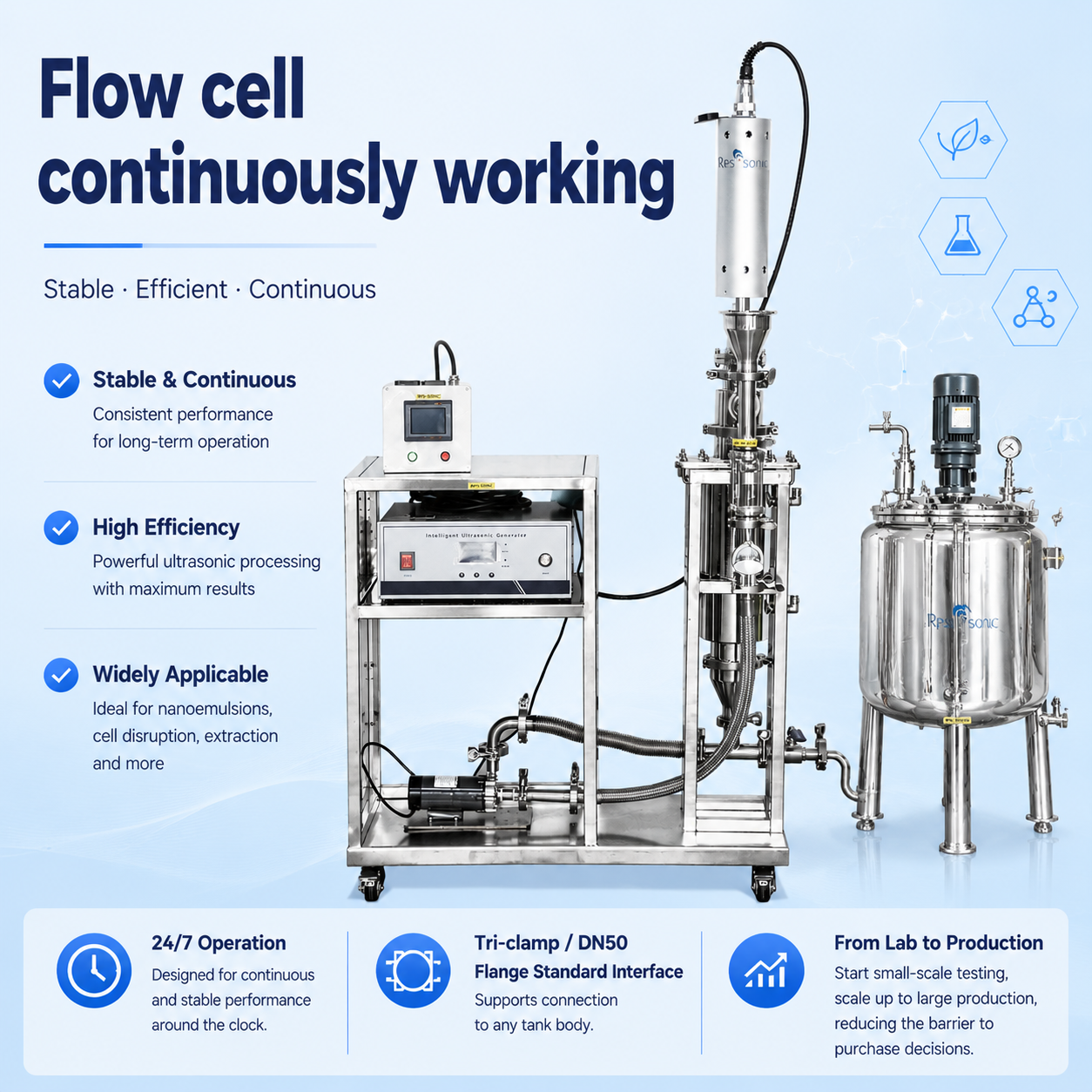
It is a system in which liquid continuously passes through an ultrasonic flow cell for controlled sonochemical processing.
The system can operate as a true continuous-flow reactor or as a recirculation system.
3. What is the difference between an ultrasonic homogenizer and a sonochemical reactor?
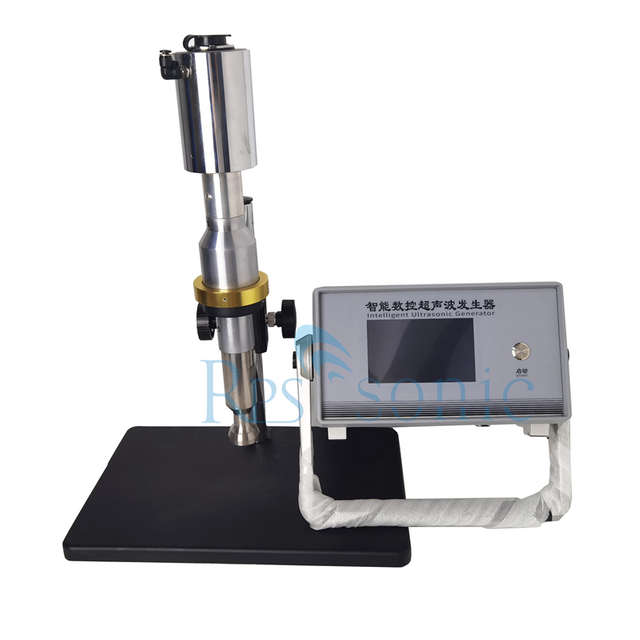
An ultrasonic homogenizer is generally focused on processes such as mixing, dispersion and homogenization.
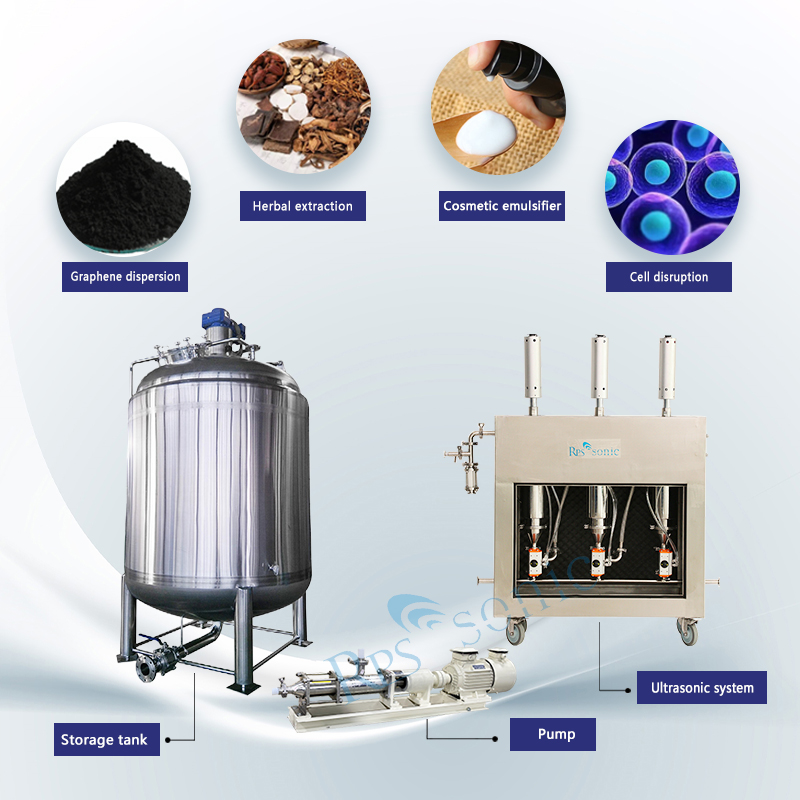
A sonochemical reactor is designed around a specific chemical or physical process and may include a tank, pump, flow cell, temperature control and process monitoring.
4. What frequency is normally used?
Around 20 kHz is commonly used for high-intensity industrial ultrasonic processing. Other frequencies may be appropriate for specific applications.
5. Can an ultrasonic reactor process high-viscosity liquids?
Yes, ultrasonic flow systems can be designed for certain high-viscosity materials. However, viscosity has a major influence on acoustic energy transmission and pump selection, so actual material testing is recommended.
6. Can solid particles be processed?
Yes. Ultrasonic circulation systems can process certain slurries and suspensions. Particle size, concentration and pump characteristics must be considered when designing the system.
7. Can ultrasonic sonochemistry replace mechanical stirring?
Not necessarily. Ultrasonic and mechanical agitation provide different functions and can sometimes be used together.
For some industrial processes, combining a mechanical agitator with ultrasonic circulation can provide both bulk mixing and high-intensity localized cavitation.
8. Can the ultrasonic reactor operate continuously?
Yes. A Continuous Flow Sonochemistry System can be designed for continuous processing, provided the reaction and material properties are suitable for continuous operation.
9. How is the temperature controlled?
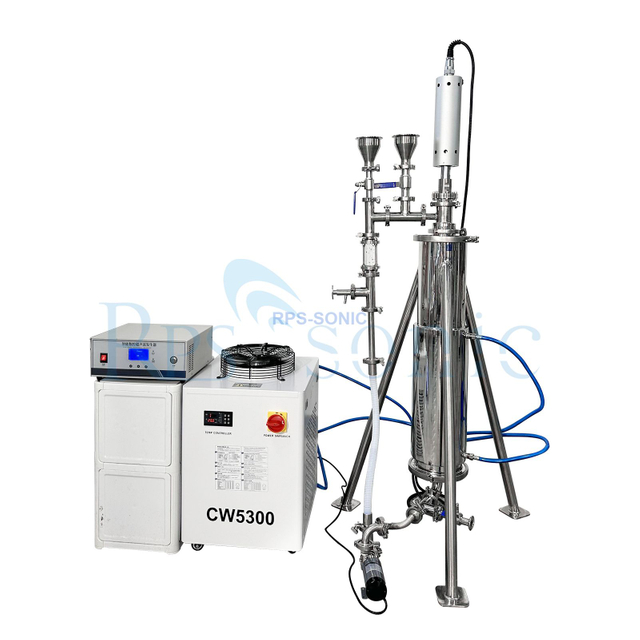
A cooling system, heat exchanger or jacketed tank can be incorporated into the circulation system.
This helps remove ultrasonic processing heat and maintain the required process temperature.
10. Can the ultrasonic sonochemical reactor be customized?
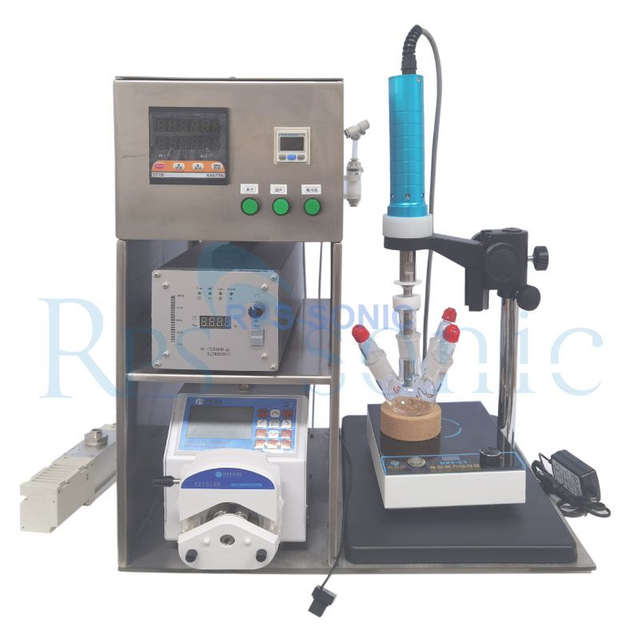
Yes. Industrial systems can be customized according to material properties, flow rate, processing volume, temperature, ultrasonic power, frequency, reactor geometry and production requirements.
Conclusion
An Ultrasonic Sonochemical Reactor combines ultrasonic cavitation with controlled chemical or physical processing to provide an additional method of process intensification.
For industrial applications, a Continuous Flow Sonochemistry System can provide a more controlled approach by continuously circulating material through a dedicated ultrasonic flow cell.
From chemical synthesis and extraction to nanoparticle processing, emulsification, dispersion and crystallization, ultrasonic technology offers a flexible platform for developing advanced liquid-processing systems.
The most effective reactor design depends on the actual material and process conditions. Ultrasonic power, amplitude, flow rate, temperature, residence time, reactor geometry and material properties should be evaluated together.
For laboratory development, pilot testing and industrial production, customized ultrasonic sonochemical reactor systems can be developed around the specific process requirements.